
Beautiful Plants For Your Interior
Beautiful Plants For Your Interior
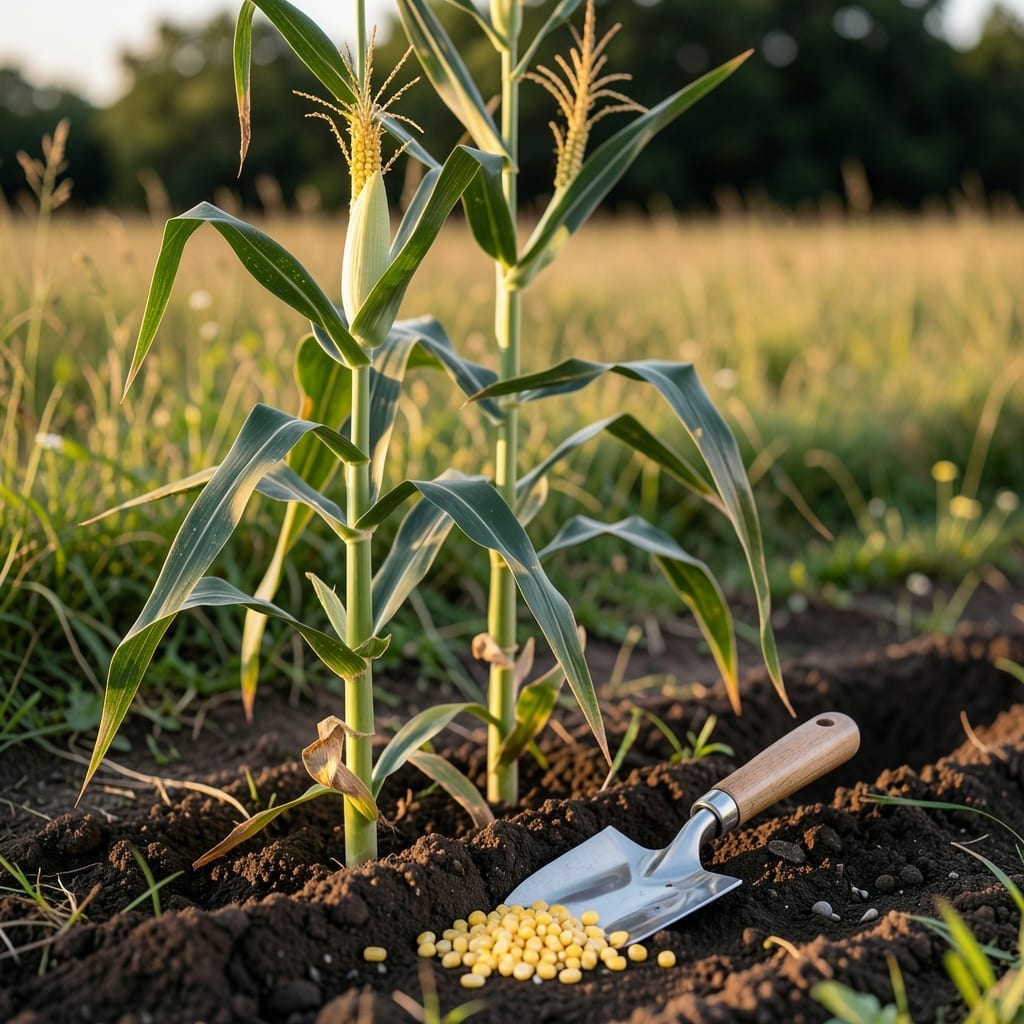
Timing your corn planting in Nebraska can mean the difference between a bountiful harvest and a disappointing yield. Get it right by understanding soil temperature and local climate patterns.
In our 5b zone, the 🌽 needs soil that’s warm enough to sprout. Plant too early, and you risk stunted growth or no growth at all.
I’ve learned the hard way that patience pays off. The sweet spot for corn is when the soil consistently hits at least 50°F, with 55°F being ideal.
Discover the exact window from late April to early June that gives your corn the best start. Let’s dig into the details that make all the difference.
In Nebraska, the optimal planting window for corn depends heavily on your specific region and soil temperature. I always recommend waiting until the soil reaches at least 50°F for germination to begin.
For the best results, 55°F soil temperature is ideal for robust growth. Eastern Nebraska tends to warm up faster than the western parts, so planting can start earlier there. Always check your local frost dates to avoid cold damage to young plants.
| Region | Planting Window | Soil Temp Threshold | Last Frost Date |
|---|---|---|---|
| Eastern Nebraska | Late April – Early May | 50°F minimum | April 10-20 |
| Central Nebraska | Early to Mid-May | 55°F ideal | April 20-30 |
| Western Nebraska | Mid to Late May | 55°F+ required | May 1-10 |
The USDA Zone 5b covers most of Nebraska, giving us about 175 frost-free days. This means we have a good window for corn, but timing is everything. Planting too early can lead to poor germination or stunted growth.
I’ve found that May is the sweet spot for most of the state. The soil has warmed up sufficiently, and the risk of late frosts has passed. In eastern areas, you might push planting to late April if the soil is ready.
Soil preparation is just as important as timing. I recommend testing your soil temperature with a simple soil thermometer at a depth of 4 inches. This gives the most accurate reading for corn planting.
Remember that corn needs full sun and well-draining soil. If your garden stays soggy after spring rains, consider raised beds to improve drainage. This can also help the soil warm up faster.
For early planting, I use black plastic mulch to help warm the soil. This can give you a 1-2 week head start in cooler areas. Just be sure to remove it once the plants emerge to prevent overheating.
If you’re in a rush, pre-warming the soil with clear plastic for a week or two can help. But I don’t recommend planting until you’re confident the soil stays above 50°F consistently.
Finally, watch the 10-day forecast before planting. A late cold snap can set back your corn significantly. When in doubt, it’s better to wait a little longer than to risk planting too early.
With the right timing and preparation, you’ll be rewarded with strong, healthy corn plants that produce well through the summer ☀️
Before planting corn in Nebraska, I always check my soil temperature. A simple soil thermometer at 4-inch depth gives the most accurate reading. If it’s below 50°F, I wait.
Moisture matters too. I test by squeezing a handful of soil—if it crumbles easily, it’s ready. If it stays in a tight ball, it’s too wet to work.
I’ve found that loosening the soil to 6-8 inches deep helps roots establish faster. This also improves drainage, which is crucial during Nebraska’s spring rains.
Adding compost or aged manure gives your corn a nutrient boost. I work it into the top 4-6 inches of soil before planting. This ensures young plants have access to essential nutrients.
In my experience, taking these steps means stronger plants and better yields. It’s worth the extra effort to get your soil just right before planting. ☀️