
Beautiful Plants For Your Interior
Beautiful Plants For Your Interior
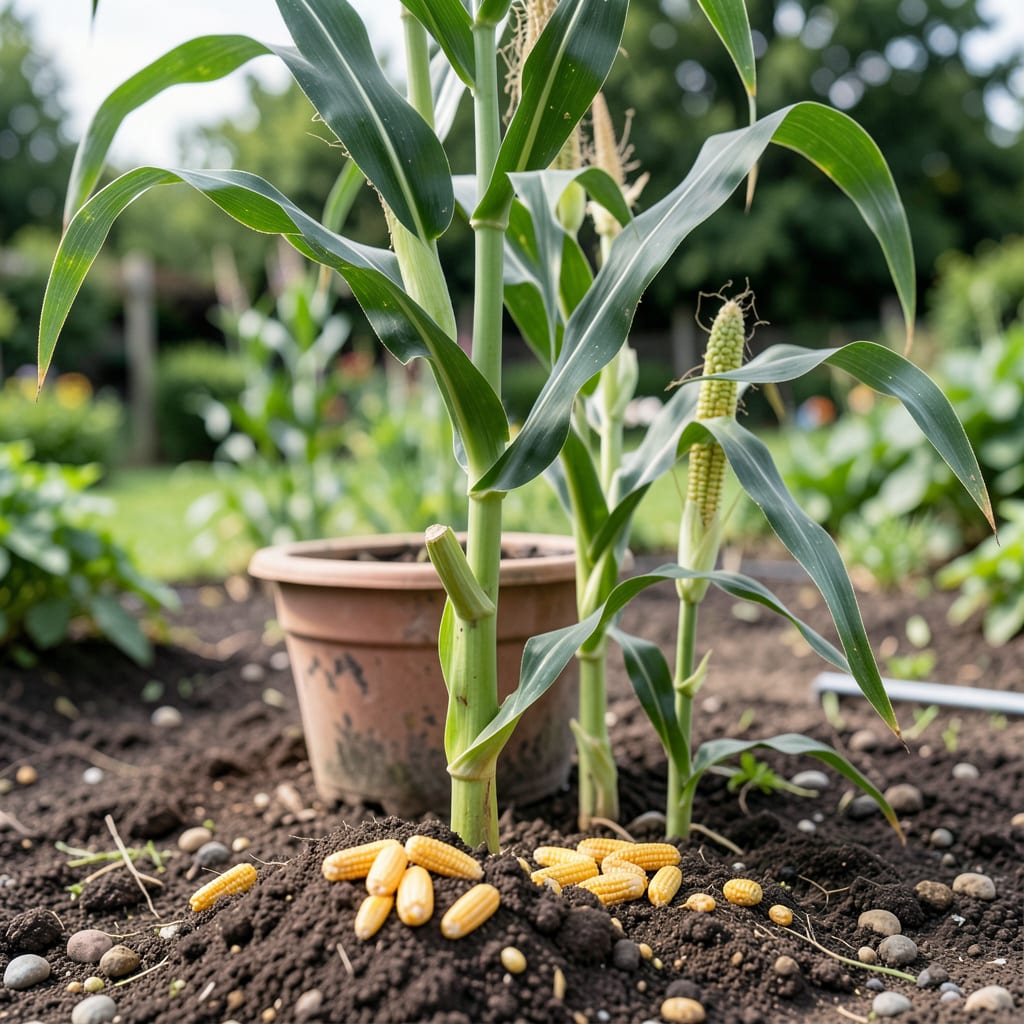
As spring arrives in North Carolina, gardeners eagerly anticipate planting their corn 🌽. The ideal time to plant is crucial for optimal growth and maximum yields. In NC’s climate zones 7b/8a, soil temperature is the key factor.
Late spring is typically the best time, with soil temperatures reaching 60°F. This usually occurs around late April to early May. Understanding these conditions will help you achieve a successful corn harvest come summer.
North Carolina’s diverse climate means that the ideal corn planting time varies across different regions. Understanding these regional differences is crucial for maximizing yields.
The state’s geography creates distinct growing conditions, from the coastal plain to the mountainous regions. Each area has its own optimal planting window based on factors like soil temperature and frost dates 🌽.
The coastal plain typically allows for earlier planting due to its warmer soil temperatures. In contrast, the mountain regions experience cooler temperatures, delaying the optimal planting time.
Soil temperature is a critical factor in determining when to plant corn. Gardeners should wait until the soil has warmed to at least 60°F for optimal germination.
Regional weather patterns also play a significant role in corn planting. The last frost date varies across North Carolina, affecting when it’s safe to plant corn outdoors.
In the coastal plain, the last frost date is typically early to mid-March, while in the Piedmont, it’s usually around mid-April. The mountain regions typically experience their last frost in late April or early May.
Understanding these regional variations helps gardeners plan their corn planting effectively. By considering local climate conditions and soil temperatures, farmers can optimize their planting schedule for maximum yields 🌾.
Successful corn cultivation in North Carolina requires careful planning and attention to regional growing conditions. By understanding the optimal planting times for their specific region, gardeners can improve their chances of a bountiful harvest.
The ideal planting window for corn in NC is typically during the late spring. This period offers the best balance between soil warmth and adequate moisture for optimal germination and growth.
By planting corn during the recommended regional window, gardeners can take advantage of North Carolina’s growing season. This strategic approach helps ensure healthy plant development and maximizes the potential for a successful harvest.
Understanding the factors that influence corn planting timing is crucial for successful cultivation in North Carolina. Several key elements determine the optimal planting window 🌾.
Soil temperature is one of the most critical factors. Corn seeds germinate best when soil temperatures are at least 60°F. This typically occurs in late spring in North Carolina.
Check soil temperature at 2-3 inches depth. Ideal range is 60-86°F for optimal germination 🌽.
Frost dates are another important consideration. Planting too early can expose young corn plants to damaging frosts. Gardeners should wait until after the last frost date for their specific region.
In North Carolina, the last frost date varies by region. The coastal plain typically experiences its last frost earlier than the mountain regions. Understanding these regional differences helps gardeners plan effectively 📅.
Weather patterns also play a significant role in corn planting decisions. Unseasonable cold snaps or excessive rainfall can impact soil conditions and planting timing ⛈️.
Gardeners should monitor long-term weather forecasts to anticipate potential delays or opportunities for planting. This proactive approach helps minimize risks associated with adverse weather conditions.
By considering these factors, North Carolina gardeners can optimize their corn planting schedule. This strategic planning contributes to healthier plants and potentially higher yields 🌾.
Successful corn planting in North Carolina requires more than just knowing the right timing. Several key practices can significantly improve your chances of a bountiful harvest 🌽.
Seed selection is critical for optimal yields. Choose varieties that are well-suited to North Carolina’s climate and growing conditions. Consider factors like disease resistance and maturity days when making your selection.
Plant seeds 1 inch deep and 8-12 inches apart in rows that are 3 feet apart. This spacing helps ensure proper air circulation and sunlight penetration 🌾.
Prepare your soil by adding organic matter like compost or well-rotted manure. This improves soil structure and fertility, providing your corn plants with essential nutrients 🌱.
Keep the soil consistently moist during the germination period. Once established, corn needs about 1-2 inches of water per week, either from rainfall or irrigation 💧.
By following these best practices, North Carolina gardeners can significantly improve their corn yields. Proper seed selection, spacing, and soil preparation all contribute to healthier plants and a more successful harvest 🌼.
Regular monitoring of your corn crop is also essential. Keep an eye out for signs of pests or diseases, and be prepared to take action if necessary. This proactive approach helps protect your investment and maximize your returns.
With careful planning and attention to these key factors, you can enjoy a bountiful corn harvest in North Carolina. The combination of optimal timing and best practices sets the stage for a successful growing season 🌽.
The ideal soil temperature for planting corn is at least 60°F, typically reached in late spring. This temperature ensures optimal germination and growth. Checking soil temperature at 2-3 inches depth helps determine readiness.
North Carolina’s diverse climate means planting times vary across regions. The coastal plain allows for earlier planting (late March to early April), while the mountain regions require later planting (late April to early May). Understanding these differences is crucial for maximizing yields.
The last frost date varies by region in NC, affecting when it’s safe to plant corn outdoors. Gardeners should wait until after this date to avoid exposing young plants to damaging frosts. Typical last frost dates range from early March in the coastal plain to late April in mountain regions.
Corn needs consistent moisture, especially during germination and tasseling. Watering every 3-5 days is recommended, with about 1-2 inches of water per week required. This can come from rainfall or irrigation, helping ensure healthy plant development.
