
Beautiful Plants For Your Interior
Beautiful Plants For Your Interior
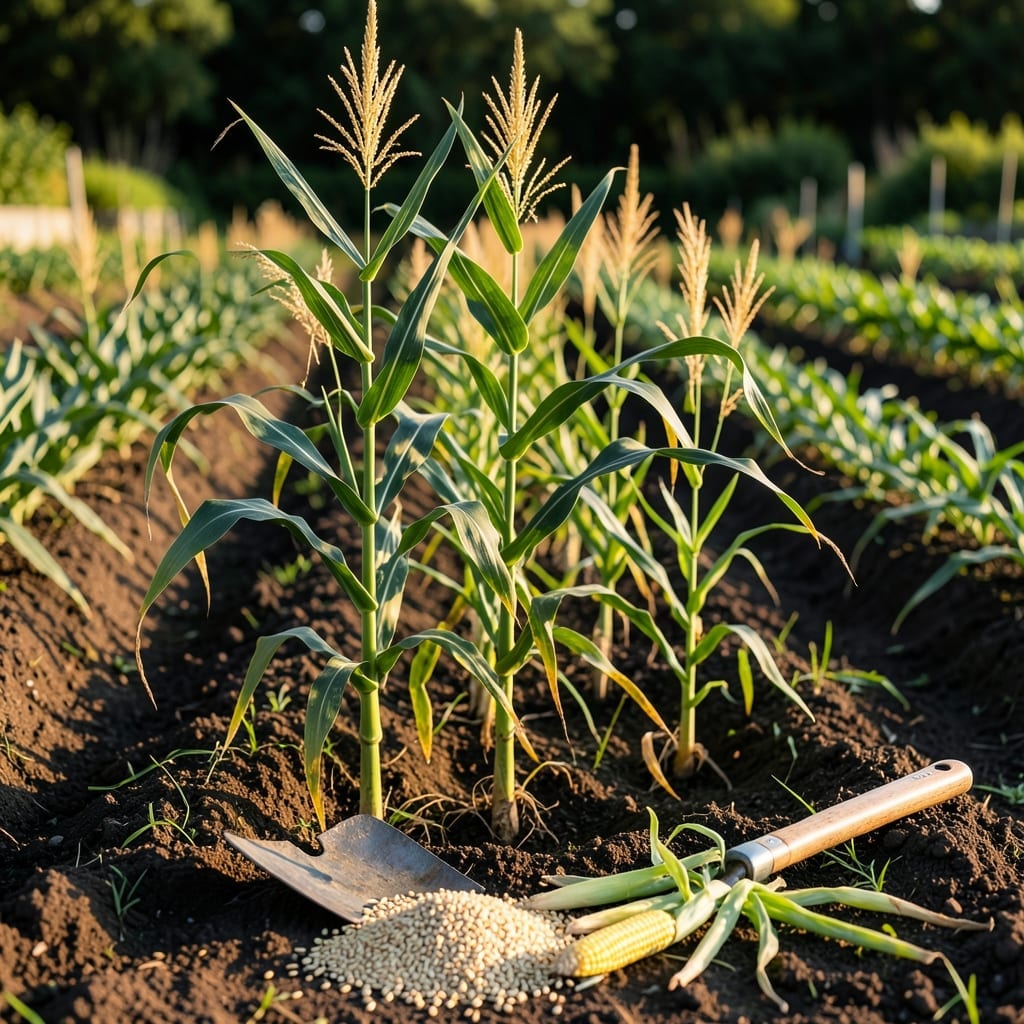
Timing is everything when it comes to growing Corn 🌽 in Canada’s unpredictable climate. One misstep with your planting schedule, and you might kiss your harvest goodbye.
From the Prairies to the Maritimes, each region has its own rhythm. The difference between a bumper crop and a disappointing yield often comes down to just a few weeks.
I’ve seen gardeners struggle with this exact issue, and the solution is simpler than you think. It’s all about reading the signs—both in the soil and in the sky.
Let me show you how to pinpoint that perfect window so you can enjoy sweet, homegrown Corn straight from your backyard.
Timing your corn planting in Canada means understanding our diverse climate zones. From the mild coasts of BC to the harsh Prairies, each region has unique windows for success.
I always recommend waiting until soil temps hit 10°C (50°F) – this is non-negotiable for germination. Even a few degrees cooler can delay sprouting by weeks.
| Region | Planting Window | Last Frost Date | Special Notes |
|---|---|---|---|
| Atlantic Canada | Late May – Early June | May 15-30 | Use black plastic mulch to warm soil |
| Quebec | Mid-May to Early June | May 10-20 | Watch for late spring frosts |
| Ontario | Mid-May to Early June | May 5-15 | Southern regions can plant earlier |
| Prairies | Late May – Early June | May 20-30 | Need wind protection for young plants |
| British Columbia | Late April – Early May | April 15-30 | Coastal areas have earliest start |
The Prairies present unique challenges with their short growing season. I’ve found early maturing varieties like ‘Early Sunglow’ work best here.
In Atlantic Canada, the cool maritime climate means we often need to pre-warm the soil with black plastic or row covers.
For Quebec gardeners, the St. Lawrence Lowlands offer slightly warmer conditions. Still, I’d advise soil thermometer use to be absolutely sure.
Ontario’s varied landscape means Northern areas might need to wait until early June, while Southern zones can start in mid-May.
BC’s mild coastal climate allows the earliest planting in Canada. But even here, soil temperature is the ultimate decider, not just air temperature.
Remember, these are general guidelines. Your specific microclimate might allow for slight adjustments. When in doubt, wait for warmer soil rather than risking cold-damaged seeds.
I’ve seen too many gardeners lose their corn crop to late frosts by planting just a week too early. Patience truly pays off with this warm-season crop.
Testing soil readiness is critical for successful corn planting in Canada. I always check soil temperature first—it must be at least 10°C (50°F) for seeds to germinate properly. Cold soil can stall growth or cause rot.
A simple DIY soil test can save you time and effort. I use a soil thermometer inserted 2-3 inches deep to get an accurate reading. Moisture levels matter too—corn thrives in well-draining soil that’s not waterlogged. 🌱
If your soil is too cold, wait a few days and test again. I’ve learned that patience pays off—planting too early often leads to poor germination. A black plastic mulch can help warm the soil faster in cooler regions.
For moisture, corn needs consistent watering but hates soggy roots. If your soil stays wet, consider raised beds for better drainage. I also add compost to boost fertility before planting.
Don’t forget to test pH levels—corn prefers slightly acidic to neutral soil. A home test kit is inexpensive and easy to use. If your pH is off, lime or sulfur can help adjust it.
Finally, tilling breaks up compacted soil, allowing roots to penetrate deeply. I till my garden 1-2 weeks before planting to let the soil settle. This prep work ensures my corn plants start strong and grow tall. 🌿