
Beautiful Plants For Your Interior
Beautiful Plants For Your Interior
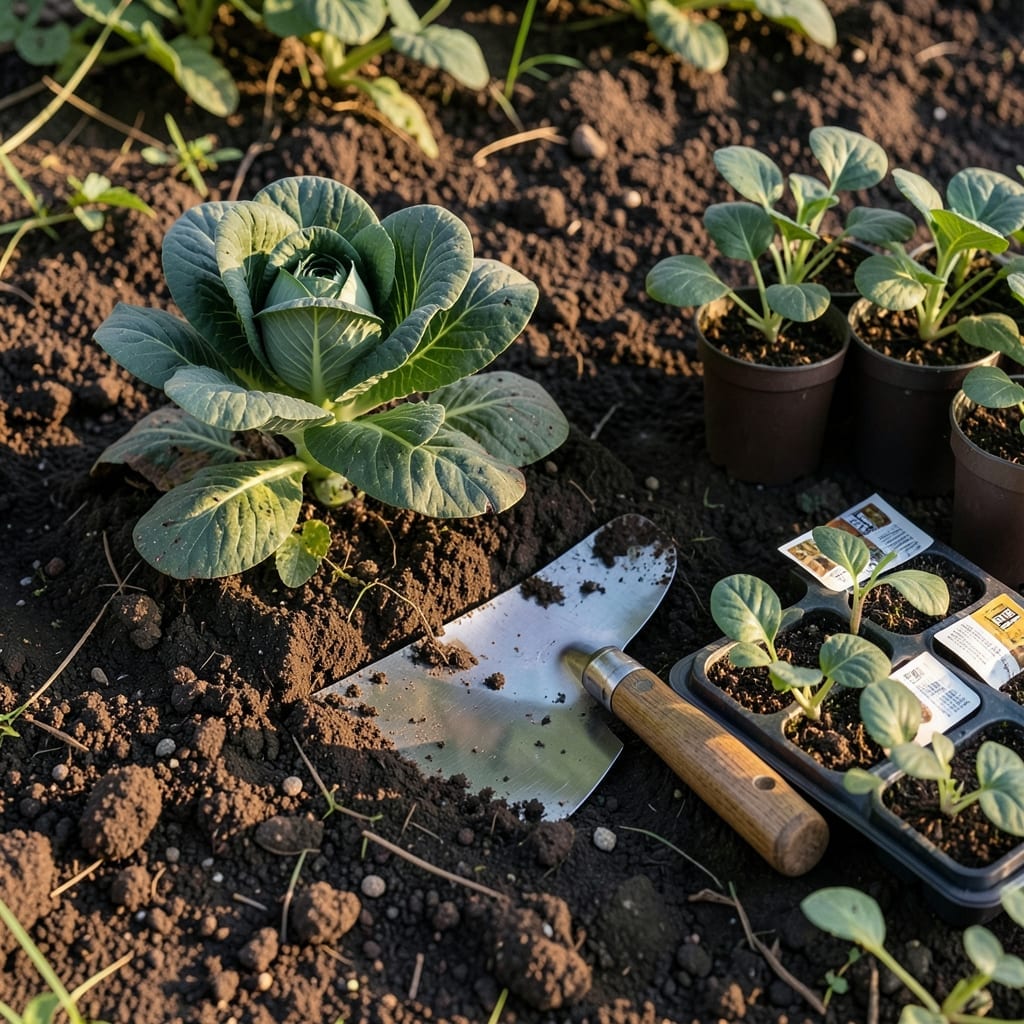
Mississippi’s warm climate offers a unique advantage for growing Collards 🥬 nearly year-round, but timing is everything for a successful harvest.
Whether you’re a seasoned gardener or just starting out, knowing the right planting windows can make all the difference between thriving greens and a disappointing crop.
In zones 7b-8a, the ideal planting periods are February-March and August-September, allowing you to enjoy fresh Collards in spring or fall.
Let me guide you through the best dates and seasonal tips to maximize your yield and keep your garden productive.
Mississippi’s long growing season and mild winters give gardeners multiple windows to plant collard greens. The key is aligning planting with the state’s frost dates and soil temperatures for best germination.
For spring planting, I recommend starting seeds indoors about 6-8 weeks before the last frost, which is typically March 15 in most regions. This gives seedlings a head start before transplanting outdoors.
| header-cell” style=”background-color: #6fd544; color: #fff;”>Planting Method | header-cell” style=”background-color: #6fd544; color: #fff;”>Notes | body-row”>body-cell”>Indoor Start | body-cell”>Transplant after last frost |
|---|---|---|---|
| body-cell”>March – April | body-row”> | body-cell”>Direct Sow | body-cell”>Ideal for winter harvests |
| body-cell”>October – November | Use cold frames in colder areas |
The Delta region often warms up faster than the Hills or Coastal areas, so I adjust my planting schedule accordingly. In the Delta, I can direct sow as early as late February, while the Hills might need to wait until mid-March.
Fall planting is my favorite for collards because they thrive in cooler temperatures. I start seeds in August for a harvest by October, and the plants often continue producing through winter with proper protection.
For winter harvests, I plant in September or October. Collards are cold-hardy and can tolerate light frosts, which actually sweetens their flavor. In Zone 8a, they can grow almost year-round with minimal protection.
Soil temperature is critical for germination. I aim for 40-85°F for best results. In Mississippi’s heat, I use shade cloth to protect young seedlings from scorching sun and keep soil moist.
I’ve found that succession planting every 2-3 weeks in fall ensures a continuous harvest. This works well because collards grow quickly in cool weather and can be harvested in as little as 50-60 days. ✂️
In Coastal Mississippi, the growing season is even longer due to milder winters. Here, I can plant collards as late as November for a spring harvest. The key is monitoring weather forecasts for unexpected cold snaps.
Remember that collards prefer full sun but will tolerate partial shade, especially in the hotter months. I always ensure my plants get at least 6 hours of sunlight daily for optimal growth. ☀️
To enjoy continuous collard harvests in Mississippi, I rely on succession planting. This simple technique lets me stagger plantings every 2-3 weeks during the cool season, ensuring a steady supply of fresh greens. 🌱
I start my first batch in late summer for early fall harvests, then plant again in early fall for winter picking. The key is timing each new planting as previous batches mature, avoiding gaps in production.
For best results, I use fast-maturing varieties like ‘Georgia Southern’ or ‘Vates’ which are ready in about 50-60 days. These perform well in Mississippi’s mild winters and tolerate light frosts. ☀️
I space each new planting 12-18 inches apart in rows 2-3 feet apart. This gives each plant enough room to develop those big, tender leaves collards are known for while maximizing garden space.
One pro tip: avoid planting during peak summer heat as collards tend to bolt (go to seed) in temperatures above 80°F. Stick to cool-season plantings for the sweetest, most tender greens.