
Beautiful Plants For Your Interior
Beautiful Plants For Your Interior
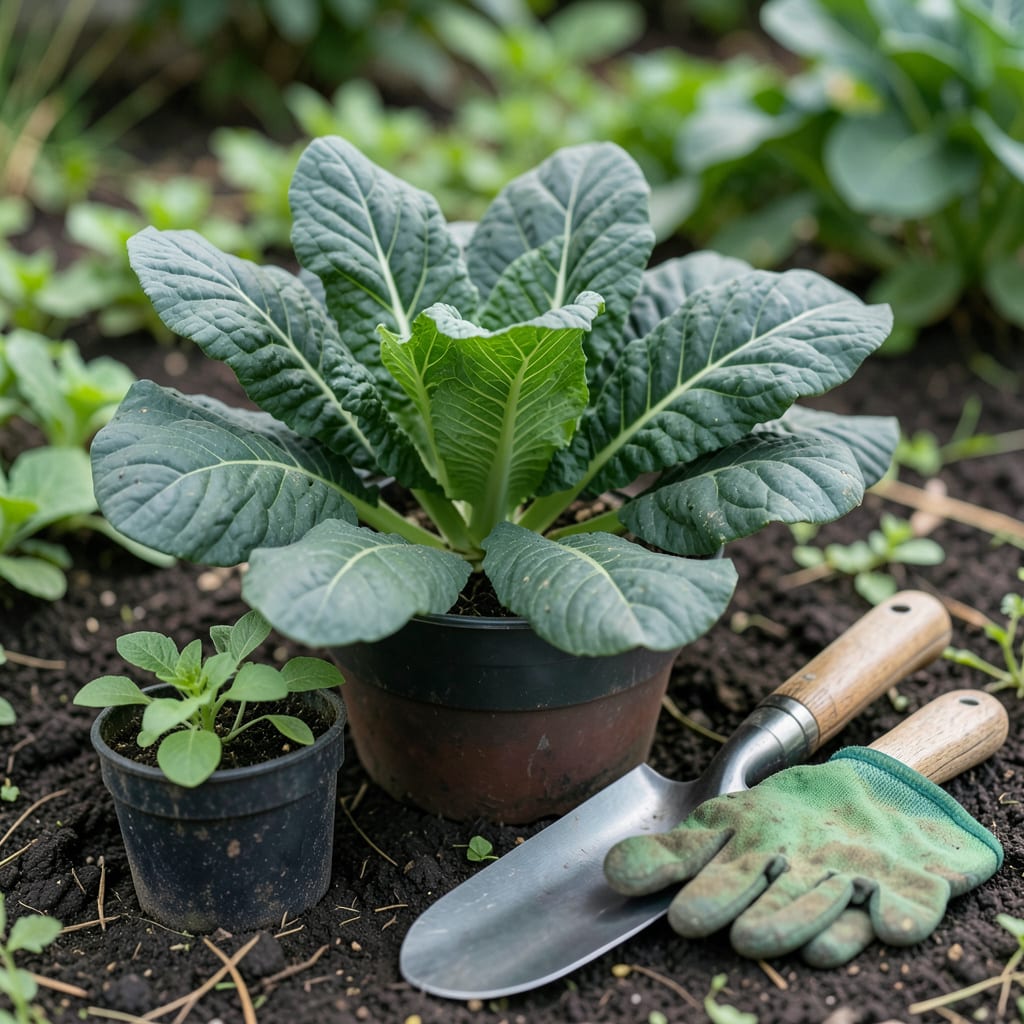
As a Georgia gardener, you’re probably eager to grow delicious 🥦 Collard Greens. The key to a bountiful harvest is timing – planting at the right moment can make all the difference in your crop’s success.
In Georgia’s climate, specifically zones 8a/8b, you’ll want to plant Collard Greens during the cooler seasons for the best results. Let’s explore the optimal planting times and get you started on growing a thriving crop.
In Georgia, the ideal time to plant collard greens depends on your specific region and the season you’re targeting. Generally, collard greens thrive in the state’s temperate climate, particularly during the cooler months. For a successful harvest, it’s crucial to time your planting correctly 🌟.
The USDA zones 8a/8b classification for Georgia means you have a relatively long growing season. This allows for both spring and fall crops. Let’s explore the optimal planting windows for different regions of Georgia.
For Georgia gardeners, the last frost date typically falls around March 15, while the first frost date is around November 15. These dates are crucial for determining your planting schedule. Planning a fall crop means starting seeds in late August or early September, while a spring crop requires starting in late winter 🌱.
The ideal planting windows vary slightly across different regions of Georgia. In north Georgia, the cooler climate means a slightly shorter growing season. In south Georgia, the warmer temperatures allow for a longer growing season 🌿.
To maximize your harvest, consider the climate variations across Georgia. The state’s diverse geography, from the Blue Ridge Mountains to the coastal plains, affects temperature and frost patterns. Understanding these regional differences is key to successful collard green cultivation 🏔️.
When planting collard greens, it’s also important to consider soil temperature. These plants prefer cooler soil, typically between 60°F to 70°F. This temperature range is usually achieved during the early spring or late summer/early fall in Georgia ❄️.
Regional planting tips can further enhance your success. For instance, in warmer areas like south Georgia, you may need to provide some shade for your collard greens during the hottest summer months. In cooler regions like north Georgia, ensuring good soil drainage is crucial to prevent waterlogged soil during the wet winter months ☁️.
By understanding and adapting to these regional nuances, you can enjoy a bountiful harvest of delicious collard greens. Whether you’re a seasoned gardener or just starting out, Georgia’s climate offers a great opportunity to grow this Southern staple 🥦.
For more specific advice tailored to your exact location within Georgia, consider consulting with local gardening experts or your county’s extension office. They can provide valuable insights into the best practices for your area 📚.
By following these guidelines and timing your planting correctly, you’ll be on your way to enjoying multiple harvests of delicious collard greens throughout the year. Happy gardening! 🌼
To successfully grow collard greens in Georgia, proper soil preparation is essential. The first step is to test your soil pH, as collard greens prefer a slightly acidic to neutral soil pH between 6.0 and 7.0. You can adjust the pH by adding lime to raise it or sulfur to lower it 🌿.
Next, ensure your soil has good drainage and is rich in organic matter. Incorporating compost or well-rotted manure can improve soil structure and fertility. Collard greens are heavy feeders, so enriching your soil with these amendments will support healthy growth 🌱.
By following these steps, you’ll create an optimal environment for your collard greens to thrive in Georgia’s climate. Proper preparation sets the stage for a bountiful harvest of delicious, nutritious greens 🥦.
For additional guidance on soil preparation and companion planting specific to your region within Georgia, consult with local gardening experts or your county’s extension office. They can provide valuable insights tailored to your area’s unique conditions 📚.
With your garden prepared and your collard greens planted at the right time, you’ll be enjoying a healthy and productive crop in no time. Happy gardening! 🌻
To ensure a successful harvest of collard greens in Georgia, proper care is essential. One of the most critical factors is maintaining consistent moisture levels. Collard greens require regular watering, especially during dry spells 🌟.
Aim to provide about 1-2 inches of water per week, either through rainfall or irrigation. It’s best to water in the morning to allow the plants to absorb the water throughout the day ☀️.
For optimal growth, fertilize your collard greens every 4-6 weeks with a balanced fertilizer (10-10-10 NPK). This will provide the necessary nutrients for healthy leaf production 📚.
Pest management is another crucial aspect of caring for collard greens in Georgia. Common pests include aphids, cabbage worms, and flea beetles. Regularly inspect your plants and use organic pest control methods whenever possible to minimize damage 🐜.
When it comes to harvesting, collard greens are ready when the leaves are large enough to eat. You can start harvesting individual leaves from the bottom of the plant, or wait for the entire plant to mature 🌿.
For a continuous harvest, consider staggered planting. By planting collard greens at different times, you can enjoy a steady supply of fresh greens throughout the growing season 🔄.
By following these care tips, you’ll be well on your way to growing a healthy and productive crop of collard greens in Georgia’s climate. Happy gardening! 🌼
Collard greens prefer cooler soil, typically between 60°F to 70°F. This temperature range is usually achieved during early spring or late summer/early fall in Georgia. Ensuring the right soil temperature will help your collard greens establish strong roots and grow well.
Aim to provide about 1-2 inches of water per week, either through rainfall or irrigation. It’s best to water in the morning to allow the plants to absorb the water throughout the day. Consistent moisture will help prevent stress and promote healthy growth.
While Georgia’s climate allows for multiple harvests, collard greens are typically grown as a spring or fall crop. The ideal planting times are 4-6 weeks before the last frost for spring and 8-10 weeks before the first frost for fall. This allows the plants to mature during the cooler months when they’re less likely to bolt.
Common pests include aphids, cabbage worms, and flea beetles. Regularly inspect your plants and use organic pest control methods whenever possible to minimize damage. Keeping your garden clean and removing weeds can also help reduce pest pressure.
