
Beautiful Plants For Your Interior
Beautiful Plants For Your Interior
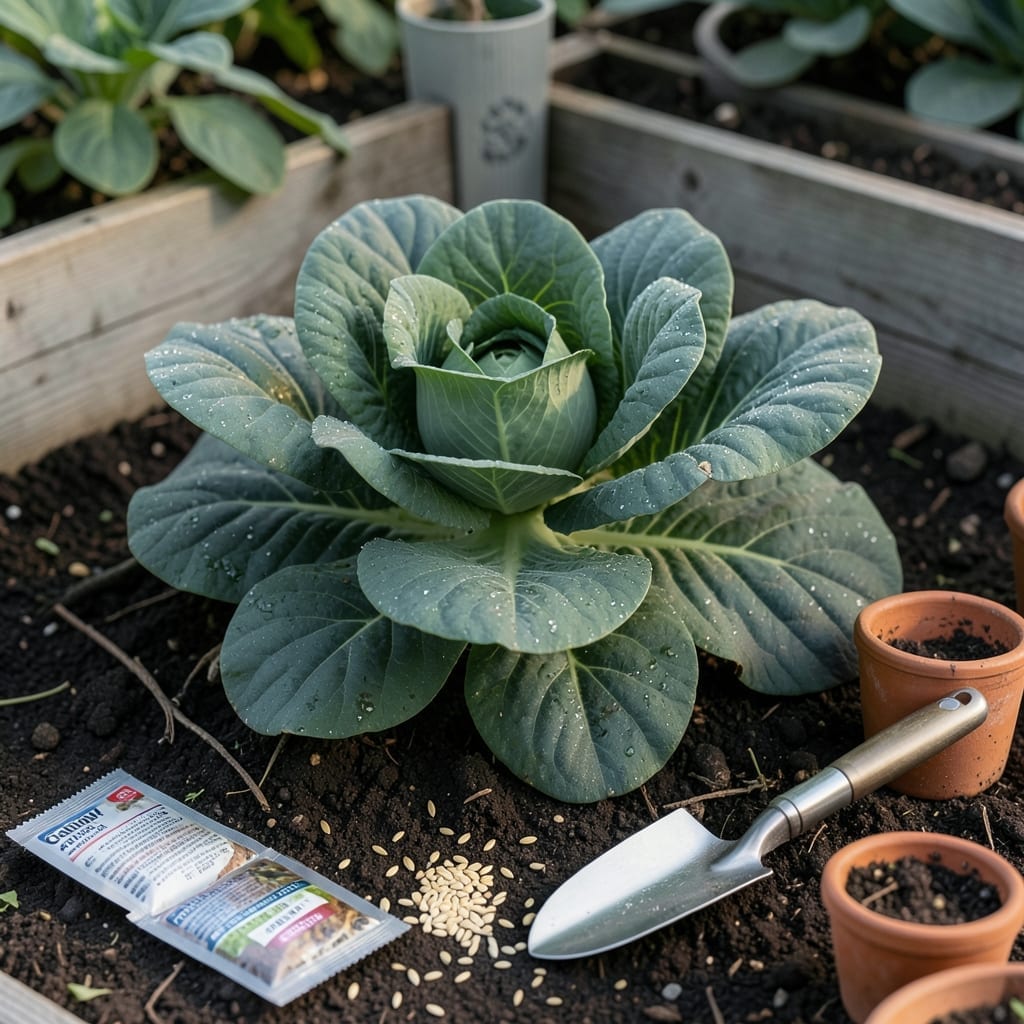
Timing is everything when growing Collard 🥬 greens in NC—plant too early or too late, and you could lose your crop to frost or heat.
From the cool Piedmont to the warmer Coastal Plain, our state’s diverse climate demands precision. I’ve learned that getting this right means the difference between a thriving harvest and disappointment.
This guide breaks down the perfect planting windows for NC’s unique zones. Whether you’re in zone 7b-8a or experimenting with new varieties, you’ll find the exact timing that works.
Discover how to align your planting schedule with NC’s seasons and microclimates. Your most successful Collard crop starts with knowing when to begin.
North Carolina’s diverse climate zones mean your collard seed planting schedule varies by region. In the Piedmont, spring planting starts 4-6 weeks before the last frost, typically mid-March to early April. The Coastal Plain stays warmer, so I start seeds as early as late February. Fall planting is just as critical here in NC.
For fall collards, I sow seeds 10-12 weeks before the first frost date. In the Piedmont, that’s around late July to early August, while the Coastal Plain can start mid-August. The Sandhills region falls somewhere in between, so I adjust based on local frost dates and soil temperature conditions.
| Region | Spring Planting | Fall Planting | Last Frost Date |
|---|---|---|---|
| Piedmont | Mid-March to Early April | Late July to Early August | April 15 |
| Sandhills | Late February to Mid-March | Early to Mid-August | April 1-10 |
| Coastal Plain | Late February to Early March | Mid to Late August | March 25-April 5 |
I always check the soil temperature before planting. Collard seeds germinate best when the soil is 45-85°F. In early spring, I use a soil thermometer to confirm it’s warm enough. If the soil is too cold, I wait or use row covers to speed up warming. Consistent moisture is key during germination, so I water gently but frequently.
For spring planting, I aim to transplant seedlings 2-3 weeks after the last frost. In the Piedmont, that’s usually late April. In the Coastal Plain, I can transplant earlier, often by mid-March. I harden off my seedlings by exposing them to outdoor conditions gradually over a week.
In fall, timing is everything to avoid heat stress and early frosts. I start seeds indoors if the weather is still too hot, then transplant them when temperatures cool. Collards are cold-hardy, so they can tolerate light frosts, which actually improve their flavor. I’ve found that successive planting every 2 weeks extends the harvest.
I pay close attention to day length as well. Collards grow best with 10-12 hours of daylight. In late summer, the days are still long enough to support growth before the shorter days of fall set in. This helps the plants establish strong root systems before winter.
If I’m direct sowing, I plant seeds ¼ inch deep and 12-18 inches apart. Thinning seedlings is crucial to prevent overcrowding. I use organic mulch to retain moisture and suppress weeds. In my experience, straw or shredded leaves work best for collards.
For those in urban areas or with limited space, container gardening is a great option. I use 5-gallon buckets or large pots with well-draining soil. Containers allow me to move plants to optimal sunlight and protect them from unexpected frosts more easily.
Finally, I always keep a gardening journal to track planting dates, weather conditions, and harvest times. This helps me refine my schedule each year. North Carolina’s weather can be unpredictable, so I stay flexible and adjust my plans as needed. 🌱
Timing your collard seed planting in NC depends on more than just the calendar. I’ve found that last frost dates are the first thing to check. In the Piedmont, the last frost is typically April 15, while the Coastal Plain sees it earlier, around March 25-April 5. This affects when I start seeds indoors or outdoors.
Heat tolerance is another critical factor. Collards thrive in cooler weather, so I avoid planting during summer’s peak heat. If temperatures exceed 85°F, seeds may struggle to germinate, and plants can bolt prematurely. I aim for spring and fall planting when conditions are milder.
Day length plays a surprising role in growth. Collards need 10-12 hours of daylight to develop strong root systems and leafy growth. In late summer, I ensure seedlings get enough light before days shorten in fall. This helps them establish before winter.
I also consider soil temperature. Collard seeds germinate best when soil is 45-85°F. In early spring, I use a soil thermometer to confirm it’s warm enough. If it’s too cold, I use row covers to warm the soil faster.
Microclimates matter too. If I’m in a warmer urban area, I might plant earlier than in a cooler, shaded spot. I observe my garden’s specific conditions and adjust accordingly. Consistent moisture during germination is key, so I water gently but regularly.
Finally, I track weather patterns. NC’s weather can be unpredictable, so I stay flexible. If a late frost is forecasted, I protect young plants with frost blankets. For fall planting, I watch for early cold snaps that could stunt growth. Keeping a gardening journal helps me refine my timing each year. 🌱