
Beautiful Plants For Your Interior
Beautiful Plants For Your Interior
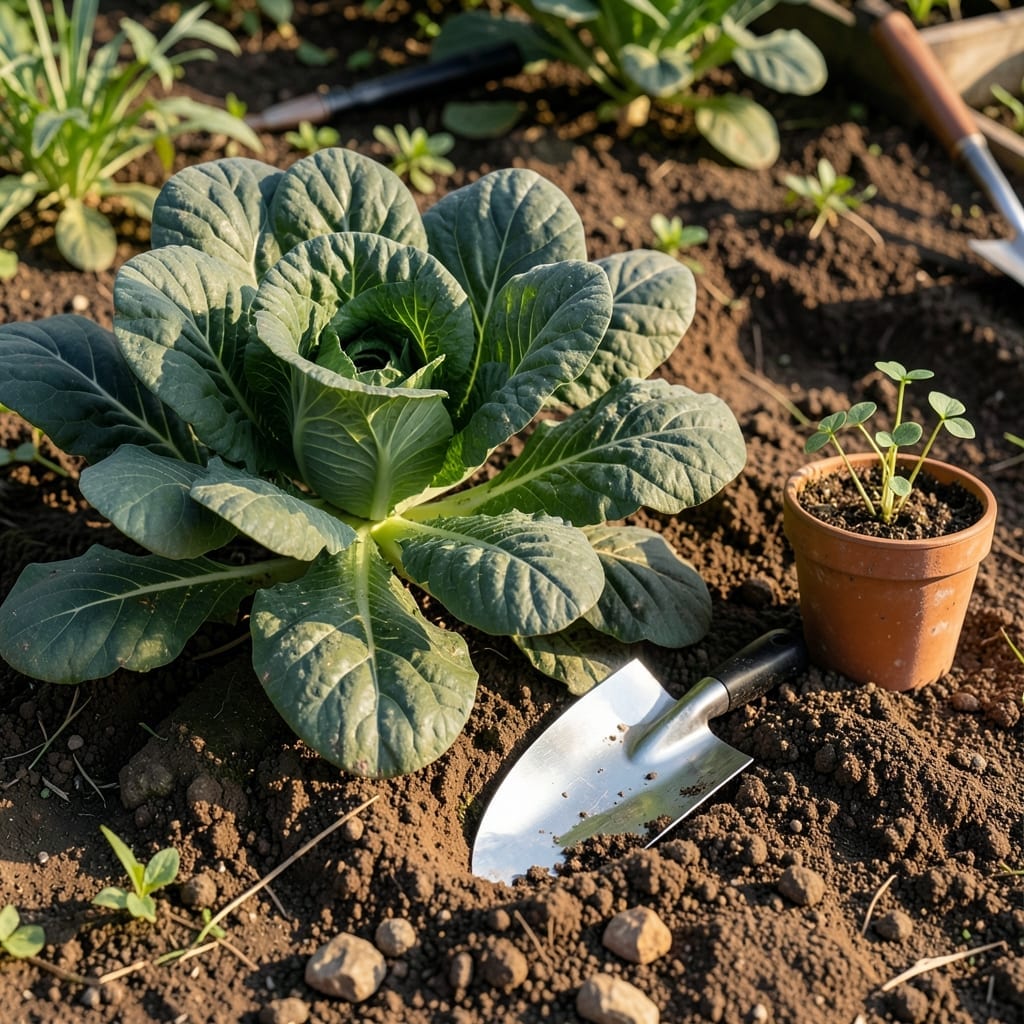
Timing is everything when it comes to growing Collard Greens 🥬 in Tennessee. This cool-season favorite needs just the right conditions to thrive.
Plant too early or too late, and you might end up with bitter leaves or stunted growth. Tennessee’s 7a climate offers two perfect windows each year.
I’ll show you exactly when to get those seeds in the ground for the best harvest. Whether you’re planning for spring or fall, timing makes all the difference.
Discover how to sync your planting with Tennessee’s seasons and set your garden up for success from the very start.
Tennessee’s diverse climate means planting times vary across the state. In East Tennessee, the higher elevation creates cooler springs and earlier frosts, so I start seeds indoors 6-8 weeks before the last frost.
For Middle Tennessee, the moderate climate allows direct sowing 4-6 weeks before the last frost date, typically around April 15th. This gives collards time to establish before summer heat.
| cell” style=”background-color:#6fd544;color:#fff;font-weight:600;”>Spring Planting | row”> | cell”>March 1 – April 1 | row”> | cell”>February 15 – March 15 | row”> | cell”>February 1 – March 1 | August 15 – September 15 |
West Tennessee has the warmest climate, so I plant even earlier. The mild winters allow for overwintering collards if planted in late fall, giving you an extra-early spring harvest.
For fall planting, I count backward from the first frost date. In most of Tennessee, that’s around November 1st. I aim to have plants well-established before cold weather sets in.
The ideal soil temperature for collard germination is between 60-75°F. In spring, I use a soil thermometer to check before planting. In fall, the warming soil from summer helps with quick germination.
I’ve found that succession planting works well in Tennessee. I sow a new batch every 2-3 weeks during the planting window to extend my harvest. This way, I always have fresh collards ready.
Cold-hardy varieties like ‘Georgia Southern’ or ‘Vates’ perform exceptionally well in Tennessee. They can handle light frosts, which actually improve their flavor by reducing bitterness.
Remember that microclimates can affect planting times. If you’re in a low-lying area or near a body of water, your frost dates might differ. I always check my specific location’s data.
For the best results, I prepare my soil with plenty of organic matter before planting. Collards prefer well-draining soil with a pH between 6.0-7.0. A soil test can help you make any necessary adjustments.
With the right timing and care, you can enjoy multiple harvests of delicious collard greens throughout Tennessee’s growing seasons 🌱
To maximize your collard greens harvest in Tennessee, I use succession planting to keep fresh leaves coming. I sow new seeds every 2-3 weeks during the ideal windows to ensure a continuous supply.
For spring planting, I start the first batch indoors 6-8 weeks before the last frost, then direct sow outdoors as soon as the soil is workable. This staggered approach gives me tender leaves well into early summer.
I’ve found that row covers are a game-changer for extending the season. They protect plants from light frosts in early spring and late fall, allowing me to harvest for 2-3 extra weeks each season.
Cold-hardy varieties like ‘Georgia Southern’ can survive temperatures down to 20°F with protection. I plant these in late summer for a winter harvest in milder Tennessee winters.
In West Tennessee, where winters are milder, I often leave mature collards in the ground with thick mulch. They’ll regrow in spring, giving me an early harvest before new plants are ready.
For fall planting, I time my last succession about 10-12 weeks before the first frost. This ensures plants reach harvestable size before cold weather slows growth. I also reduce watering as temperatures drop to prevent rot.
With these strategies, I enjoy fresh collards from early spring through late fall, and sometimes even into winter in protected areas 🌱