
Beautiful Plants For Your Interior
Beautiful Plants For Your Interior
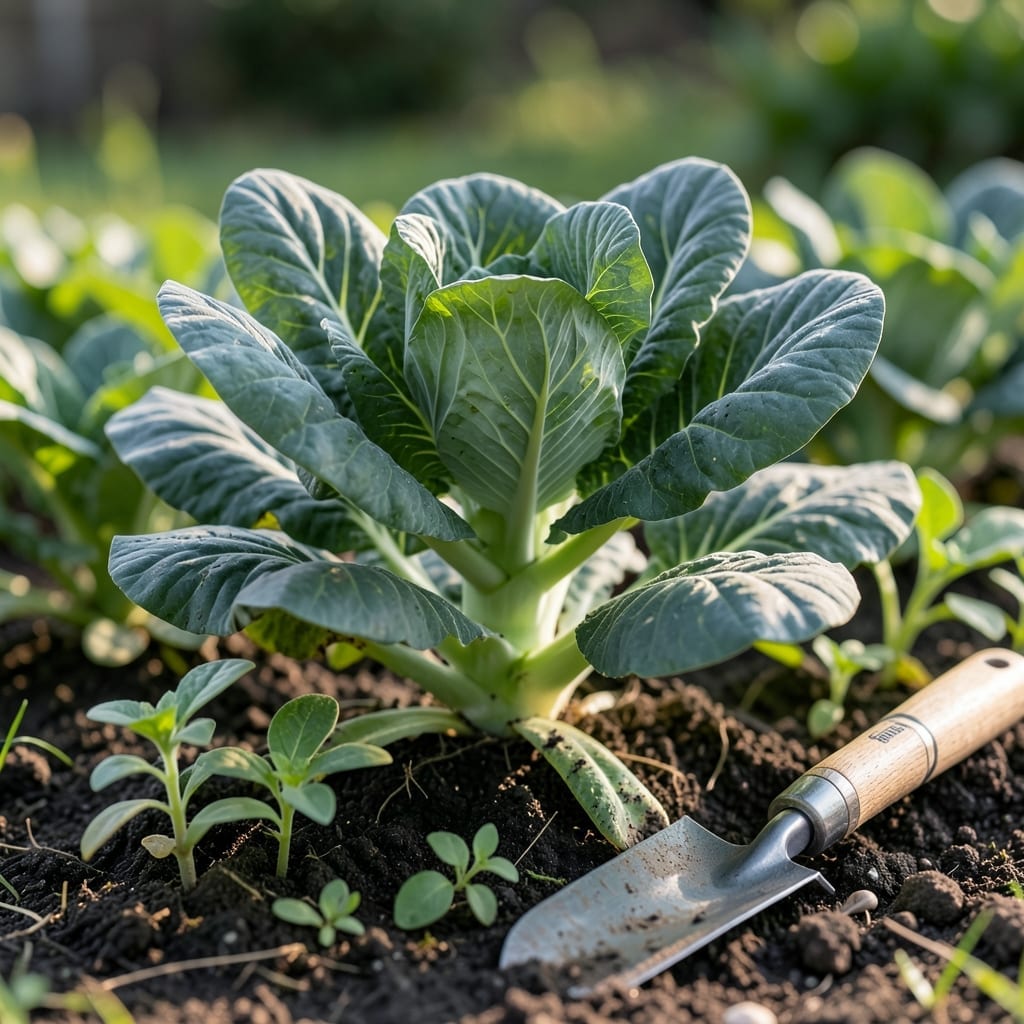
I remember the first time I planted collard greens in my Alabama garden. The timing felt like a mystery, but I quickly learned that getting it right makes all the difference.
Alabama’s 8a climate is perfect for growing these cold-hardy greens, but knowing when to start is the key to a successful harvest. The 🥬 Collard Greens thrive when planted at just the right moment.
Whether you’re a seasoned gardener or just starting out, understanding the optimal planting windows can transform your yield. I’ll share the exact months that work best for our region.
Discover how to align your planting with Alabama’s unique seasons and watch your garden flourish like never before.
Alabama’s diverse climate means planting times vary across the state. In Northern Alabama, where frosts linger longer, I’ve found the best windows are late February to early March for spring and August to early September for fall.
The Central region offers a bit more flexibility. Here, mid-February to March works well for spring, while late August to September is ideal for a fall harvest. The mild winters give collards a fighting chance.
| Region | Spring Planting | Fall Planting | Last Frost |
|---|---|---|---|
| Northern AL | Late Feb – Early Mar | Aug – Early Sept | March 15 |
| Central AL | Mid Feb – Mar | Late Aug – Sept | March 1 |
| Southern AL | Jan – Feb | Sept – Oct | February 1 |
In Southern Alabama, the growing season starts earlier. I plant as early as January for spring and push fall plantings to September or even October. The warmer winters here mean collards can thrive almost year-round.
For spring planting, aim for 4-6 weeks before your region’s last frost. This gives the plants time to establish before the heat sets in. I’ve seen stunted growth when planted too late in spring.
Fall planting is all about beating the first frost. In most of Alabama, that means seeds in the ground 6-8 weeks before November 15. This ensures mature plants before cold snaps hit.
The soil temperature should be at least 40°F for germination. In my experience, collards germinate best in 50-85°F soil. Use a soil thermometer to check if you’re unsure.
I always direct sow collard seeds about ¼ inch deep and 12 inches apart. Thin seedlings to 18 inches for full-size plants. This spacing prevents overcrowding and promotes air circulation.
Remember, Alabama’s clay soil can be heavy. I amend my beds with compost or aged manure before planting. This improves drainage and provides the nutrients collards crave.
Finally, succession planting extends your harvest. I sow new seeds every 2-3 weeks during the planting window. This way, I enjoy fresh collards for months, not just a single harvest.
With these timing tips, your Alabama collard greens will be thriving in no time 🌱
I’ve learned that soil preparation is the foundation of a great collard harvest. In Alabama’s clay-heavy soil, I always mix in compost or aged manure to improve drainage and fertility.
This creates the loose, nutrient-rich environment collards love. Without it, you risk poor root development and stunted plants 🌱
Proper spacing is another game-changer. I plant seeds 12 inches apart and thin to 18 inches once they sprout. This prevents overcrowding and ensures each plant gets enough sunlight and airflow.
Watering consistently is key, especially during dry spells. I aim for 1-2 inches of water per week, either from rain or irrigation. Morning watering helps prevent fungal diseases.
For frost protection, I use row covers or cloches when temperatures dip. Collards can handle light frosts, but young plants are vulnerable. A little protection goes a long way in Alabama’s unpredictable winters.
Finally, succession planting keeps my harvest going. I sow new seeds every 2-3 weeks during the planting window. This way, I enjoy fresh collards for months, not just a single harvest.
With these tips, you’ll maximize your collard green yields and enjoy a bountiful harvest all season long 🌿