
Beautiful Plants For Your Interior
Beautiful Plants For Your Interior
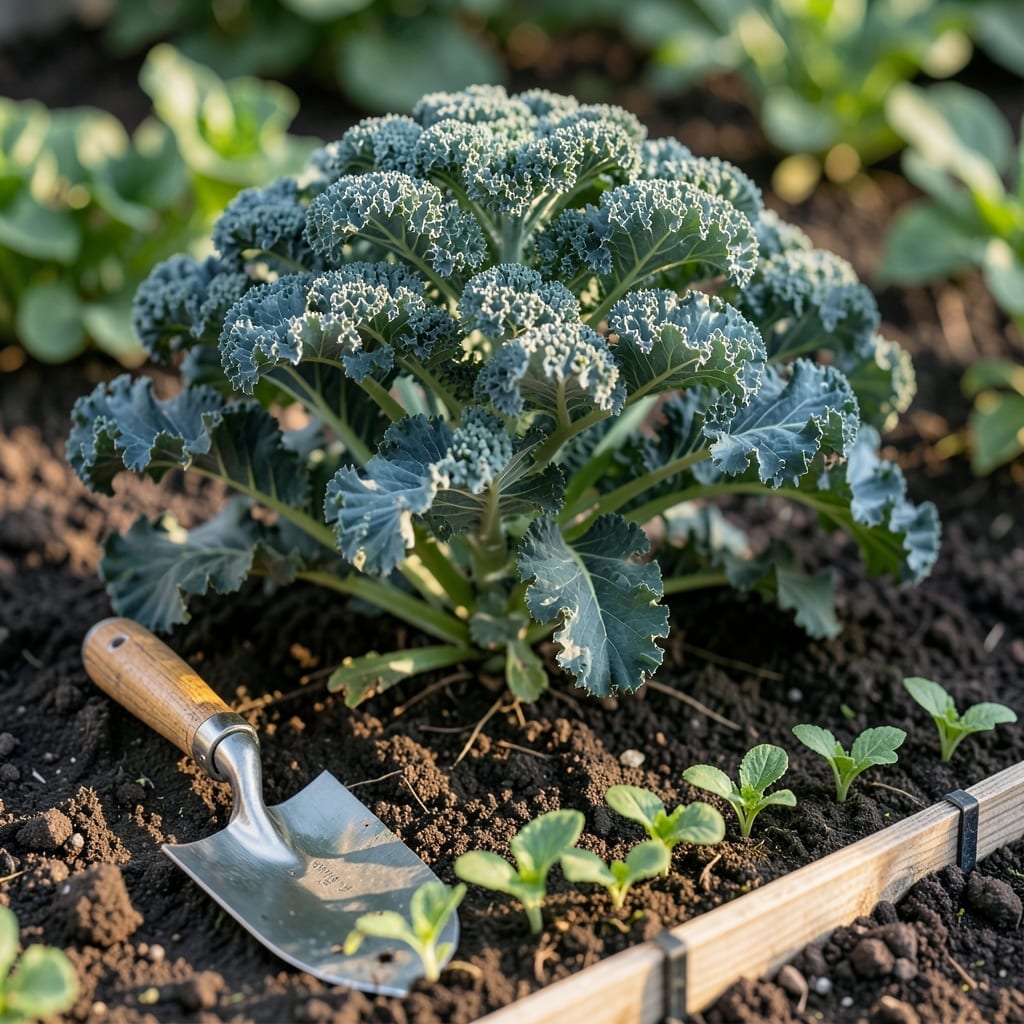
Timing is everything when it comes to planting Cold Weather Crops—plant too early or too late, and you risk losing your harvest to frost or heat.
The key is knowing when your soil and climate are just right. For USDA Zone 6, that sweet spot is typically February through April or August through October.
I’ve learned that these hardy plants like kale, broccoli, and carrots actually thrive in cooler temps. Discover how to align your planting with nature’s rhythm for the best results.
Let me walk you through the optimal windows and tips to ensure your 🥬 Cold Weather Crops flourish, no matter the season.
Timing your cold weather crops correctly means the difference between a thriving garden and a failed harvest. Each USDA hardiness zone has its own ideal planting windows for frost-tolerant vegetables.
In cooler zones like 3-5, I start kale and spinach as early as March, while in warmer zones 7-9, I wait until late fall for the best results.
| Variety | Spring Planting | Fall Planting |
|---|---|---|
| Kale | 4-6 weeks before last frost | 6-8 weeks before first frost |
| Spinach | As soon as soil is workable | 4-6 weeks before first frost |
| Broccoli | 2-3 weeks before last frost | 10-12 weeks before first frost |
| Carrots | 2-4 weeks before last frost | 10-12 weeks before first frost |
For spring planting, I always check my last frost date and count backward. Kale can handle light frosts, so I plant it 4-6 weeks before the last frost.
Spinach is even hardier—I sow it as soon as the soil can be worked in early spring. It germinates in cold soil and thrives in cool temperatures.
In fall planting, timing is critical. I calculate 10-12 weeks before the first frost for broccoli and carrots, giving them enough time to mature before cold sets in.
For milder climates, I can plant cold weather crops in late summer for a winter harvest. Kale and spinach can even overwinter with protection.
I always use a soil thermometer to check conditions. Cold weather crops prefer soil temperatures between 40-75°F for best germination.
If you’re in zone 6 like me, February to April and August to October are prime planting windows. Adjust based on your local frost dates and microclimate.
Extending the season is possible with row covers or cold frames. These protect young plants from late frosts and allow for earlier planting.
If you’re eager to grow cold-hardy crops, start with these resilient varieties. I’ve found kale and spinach can survive light frosts, while broccoli thrives in cooler soil.
Each of these frost-tolerant vegetables has unique needs. For example, carrots prefer loose soil, and Brussels sprouts taste sweeter after a frost. 🌱
For best results, I always check soil temperature. Cold weather crops germinate best in 40-75°F soil. Use a thermometer to confirm conditions.
Spacing matters too. Overcrowding leads to weak plants. Give broccoli and Brussels sprouts plenty of room to grow strong stems.
Don’t forget to mulch your beds. This keeps soil moist and protects roots from temperature swings. I use straw or leaves for natural insulation. 🌿
Finally, water consistently but avoid soggy soil. Cold-hardy plants need 1 inch of water weekly, preferably in the morning to prevent disease.