
Beautiful Plants For Your Interior
Beautiful Plants For Your Interior
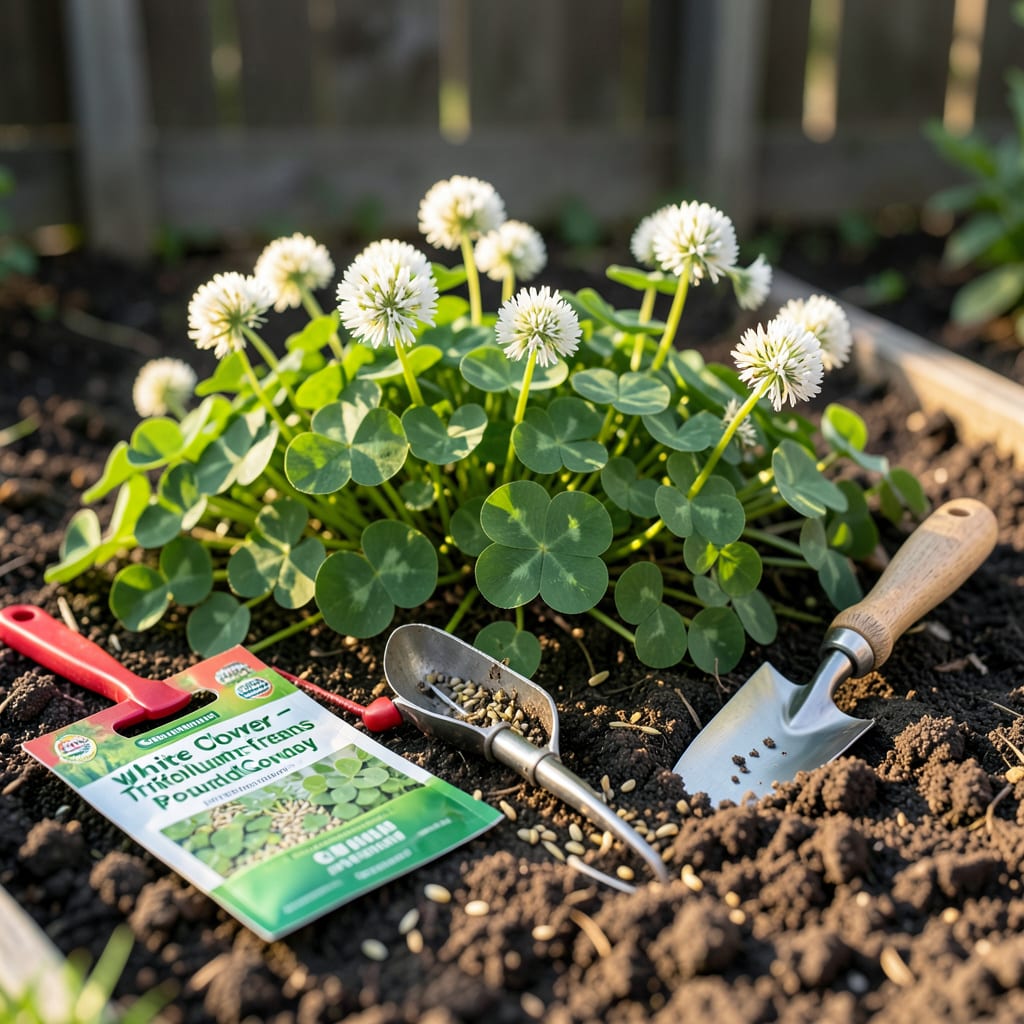
Timing your clover planting in Tennessee can make or break your pasture or lawn. Plant too early, and a late frost might wipe out your efforts. Wait too long, and the summer heat could leave your 🌱 clover struggling to establish roots.
After years of testing what works in Zone 7’s unpredictable climate, I’ve nailed down the perfect window. Whether you’re planting for livestock forage or a lush green lawn, I’ll show you exactly when to get those seeds in the ground—and why these dates matter more than you think.
If you’re planting clover in Tennessee, timing is your secret weapon. Our Zone 7 climate gives us two prime windows: early spring (March–April) and late summer (August–September). These periods avoid extreme heat and frost, giving seeds the best chance to establish strong roots.
Tennessee’s last frost date (around April 15) and first frost date (near October 15) bookend our growing season. For clover, soil temperature matters most—aim for 50°F or warmer at planting. Spring planting thrives with cooling rains, while fall planting benefits from warm soil and fewer weeds.
| Season | Planting Window | Ideal Conditions | Best For |
|---|---|---|---|
| Early Spring | March–April | Soil 50°F+, post-frost | Pastures, lawns |
| Late Summer | August–September | Warm soil, 6+ weeks before frost | Cover crops, wildlife plots |
*Adjust for East TN (cooler) vs. West TN (warmer) microclimates.
For white clover, a perennial favorite, I recommend spring planting to establish before summer droughts. It tolerates close mowing, making it ideal for lawns. Red clover, a biennial, does well in either window but shines in fall for overwintering benefits.
Crimson clover, an annual, is my top pick for fall planting. Its vibrant blooms attract pollinators, and it fixes nitrogen like a champ. Just be sure to plant by mid-September so it roots deeply before winter.
Soil prep is key—test your pH (6.0–7.0 ideal) and loosen compacted areas. Tennessee’s clay-heavy soils benefit from compost or sand amendments. If you’re overseeding a lawn, mow low and rake to expose soil for better seed contact.
Watering matters most in the first 4–6 weeks. Keep soil moist but not soggy—about 1 inch per week. Once established, clover is drought-tolerant, but young seedlings need consistent moisture to outcompete weeds.
Watch the 10-day forecast before planting. If nighttime temps dip below 40°F, hold off—cold snaps can shock young clover. Conversely, if summer temps exceed 85°F, seeds may dry out before germinating.
For East Tennessee’s higher elevations, delay spring planting by 1–2 weeks and wrap up fall planting by early September. In West Tennessee’s warmer zones, you can push spring planting into early May and fall planting into October.
Pro tip: Mix clover with ryegrass or fescue for a hardier stand. The grass protects clover from temperature swings, while clover’s nitrogen benefits the grass. It’s a win-win for Tennessee’s finicky weather!
Whether you’re greening up a pasture or smothering weeds, nailing the timing ensures your clover thrives. Mark those calendars—March and August are your golden months! 🌿
Getting clover to thrive in Tennessee starts with soil prep. Our state’s clay-heavy soils can be tough on new seedlings, so I always begin by testing pH levels—aim for 6.0–7.0. A simple kit from your local extension office works perfectly.
Loosen compacted soil with a garden fork or tiller to a depth of 4–6 inches. Mix in compost or sand to improve drainage, especially in low-lying areas prone to waterlogging. For pastures, consider a broadcast seeder; for lawns, hand-seeding works fine if you’re meticulous.
Choose your clover variety based on your goal. For lawns, white clover (like ‘Dutch White’) handles mowing well. Need a nitrogen boost for your garden? Crimson clover adds up to 150 lbs of nitrogen/acre when tilled under.
Timing your watering schedule is critical. Water lightly daily for the first week, then shift to 1 inch/week once sprouts appear. Tennessee’s humid summers mean morning watering (before 9 AM) prevents fungal issues like powdery mildew.
If you’re planting in fall, add a light mulch (straw or pine needles) to protect seedlings from temperature swings. For spring plantings, keep an eye out for armyworms—they love tender clover shoots. A floating row cover can save your stand if pests arrive.
For wildlife plots, mix clover with chicory or alfalfa to extend the foraging season. Deer and turkey adore this combo, and it holds up better to heavy grazing than clover alone. Always plant these mixes in full sun for maximum yield.
After 6–8 weeks, your clover should be well-established. Reduce watering unless drought strikes, and avoid heavy foot traffic. With proper timing and care, you’ll have a lush, weed-choking stand that lasts for years—just reseed thin spots annually! 🌿
Not all clover thrives equally in Tennessee’s humid subtropical climate. I’ve tested dozens of varieties across the state, and three stand out for our Zone 7 conditions. Your choice depends on whether you want a perennial lawn, a nitrogen-rich cover crop, or a wildlife magnet.
White clover (like ‘Dutch White’ or ‘Ladino’) is my top pick for lawns and pastures. This perennial powerhouse handles Tennessee’s clay soils and tolerates mowing down to 2 inches. It spreads via stolons, filling in bare spots naturally.
For wildlife food plots, I blend crimson clover with wheat or rye. The clover’s bright red blooms draw deer and turkey, while the grains provide early-season forage. This combo thrives in Tennessee’s fall-planted windows and tolerates our mild winters.
Red clover excels in hay fields or as a living mulch. Its deep roots break up compacted soil—a bonus in Tennessee’s clay-heavy regions. Plant it in early spring for a summer harvest, or in late summer for overwintering biomass.
If you’re in East Tennessee’s cooler pockets, white clover’s cold hardiness (to Zone 5) makes it the safest bet. For West Tennessee’s hotter summers, crimson clover’s drought tolerance shines—just plant it 6 weeks before first frost to maximize growth.
Pro tip: For weed suppression, mix white and red clover. The white clover fills gaps low, while red clover shades out competitors above. This duo outcompetes crabgrass and dandelions in Tennessee lawns without chemicals! 🌿
Clover seeds germinate best when soil reaches at least 50°F. In Tennessee, this typically happens in mid-March for spring planting and late August for fall. Use a soil thermometer to check before seeding.
Summer planting isn’t ideal due to Tennessee’s heat and drought risk. If you must, choose heat-tolerant varieties like crimson clover and plant in early July. Keep soil consistently moist and provide temporary shade if possible.
Under ideal conditions, clover sprouts in 7-14 days and establishes fully in 6-8 weeks. Spring plantings may take slightly longer due to cooler nights. Ensure consistent moisture during this critical period for best results.
The most common error is planting too deep or not ensuring good soil contact. Clover seeds need light to germinate—press them ¼-inch deep max. Skipping soil prep (like pH testing) is another frequent misstep that leads to poor stands.
