
Beautiful Plants For Your Interior
Beautiful Plants For Your Interior
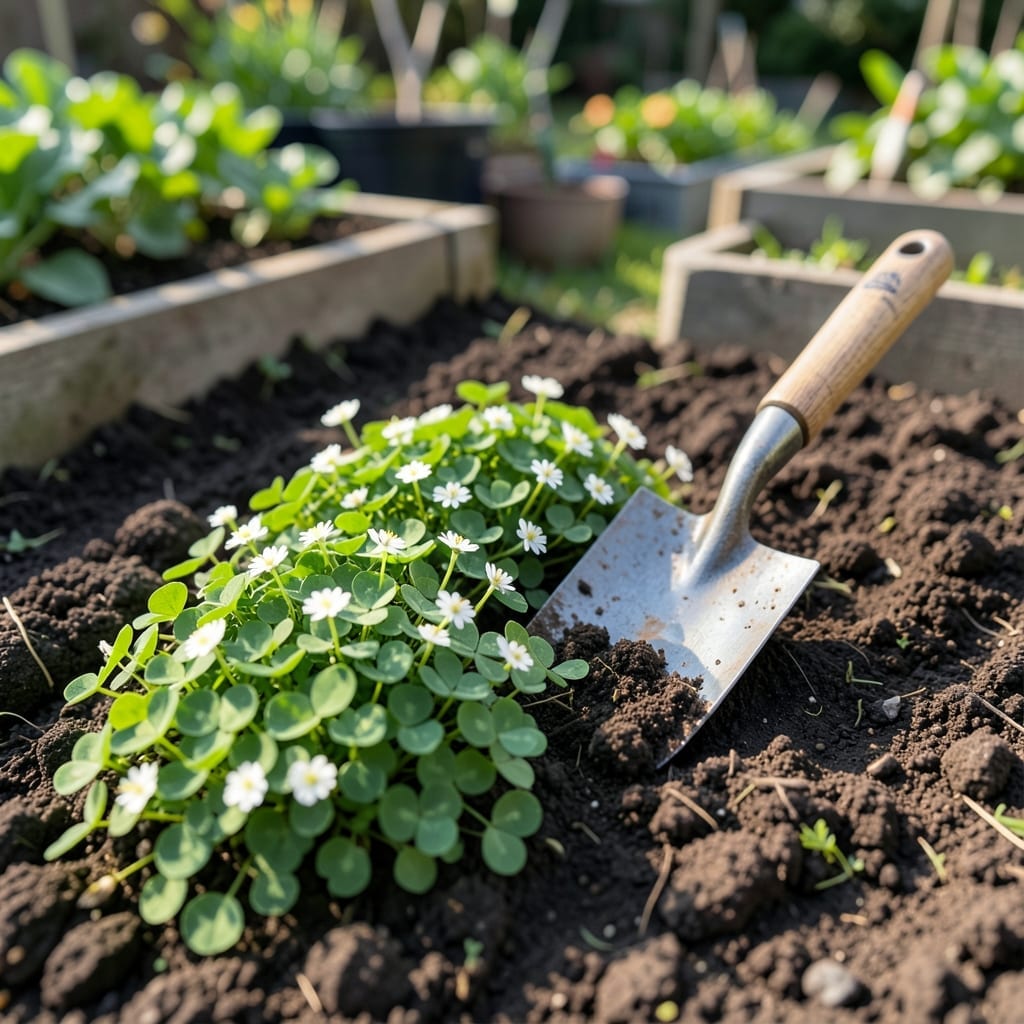
Timing is everything when planting Clover in Maryland—get it right, and you’ll enjoy a vibrant, low-maintenance ground cover or nutrient-rich forage.
Plant too early or too late, and you risk poor germination or weak growth. Maryland’s 7a climate offers two ideal windows for 🍀 success.
I’ve seen firsthand how proper timing transforms a patchy lawn into a lush, green carpet. The difference comes down to understanding your soil and season.
Discover the exact months to plant for faster establishment and healthier growth. Let’s dig into what works best for our region.
Maryland’s USDA zones 6-8 give us two perfect windows for planting clover. The key is aligning with soil temperature and frost dates for strong establishment.
In early spring, aim for March to May when soil temps hit 40°F or higher. This avoids late frosts while giving roots time to settle before summer heat.
🌱 Maryland Clover Planting Guide
| Season | Optimal Months | Soil Temp | Notes |
|---|---|---|---|
| Early Spring | March-May | 40-60°F | Avoid late frosts |
| Late Summer | August-Sept | 60-70°F | Before first frost |
The late summer window from August to September is equally effective. Cooler temps and autumn rains help seeds germinate without stress from summer heat.
I always check the 10-day forecast before planting. A sudden cold snap or heatwave can set back even well-timed clover seeds.
For white clover, which thrives in lawns, spring planting gives it a full growing season to establish. It tolerates foot traffic better when mature.
Red clover, often used for forage, does well with fall planting. The cooler weather reduces competition from weeds while roots develop.
Soil prep matters just as much as timing. Maryland’s clay-heavy soils benefit from loosening and mixing in compost before planting.
If you’re planting for pollinators, early spring gives bees an immediate food source. Fall plantings support late-season pollinators preparing for winter.
Remember, consistent moisture is critical during the first 4-6 weeks after planting, regardless of season. Maryland’s humid summers can dry out soil quickly.
I’ve found that morning watering works best, allowing foliage to dry before evening. This prevents fungal issues during our damp seasons.
Planting clover in Maryland requires attention to our unique climate. Our humid summers and clay-heavy soils demand smart preparation for best results.
I always recommend testing soil pH first—clover thrives between 6.0-7.0. Maryland’s clay can compact easily, so amending with compost improves drainage and root development.
For variety selection, white clover works beautifully as a ground cover in lawns. It tolerates foot traffic and stays low. Red clover, taller and more robust, excels in pollinator gardens or forage plots.
Timing your watering is crucial. I water my clover early morning to reduce evaporation and prevent fungal issues. During establishment, keep soil consistently moist but not soggy.
Summer heat can stress young clover. That’s why I avoid planting between June-August. Instead, focus on spring or early fall when temperatures are milder and moisture more reliable.
Finally, remember that clover fixes nitrogen, improving soil health over time. This makes it an excellent companion plant for many garden vegetables and a sustainable choice for Maryland gardeners 🌿