
Beautiful Plants For Your Interior
Beautiful Plants For Your Interior
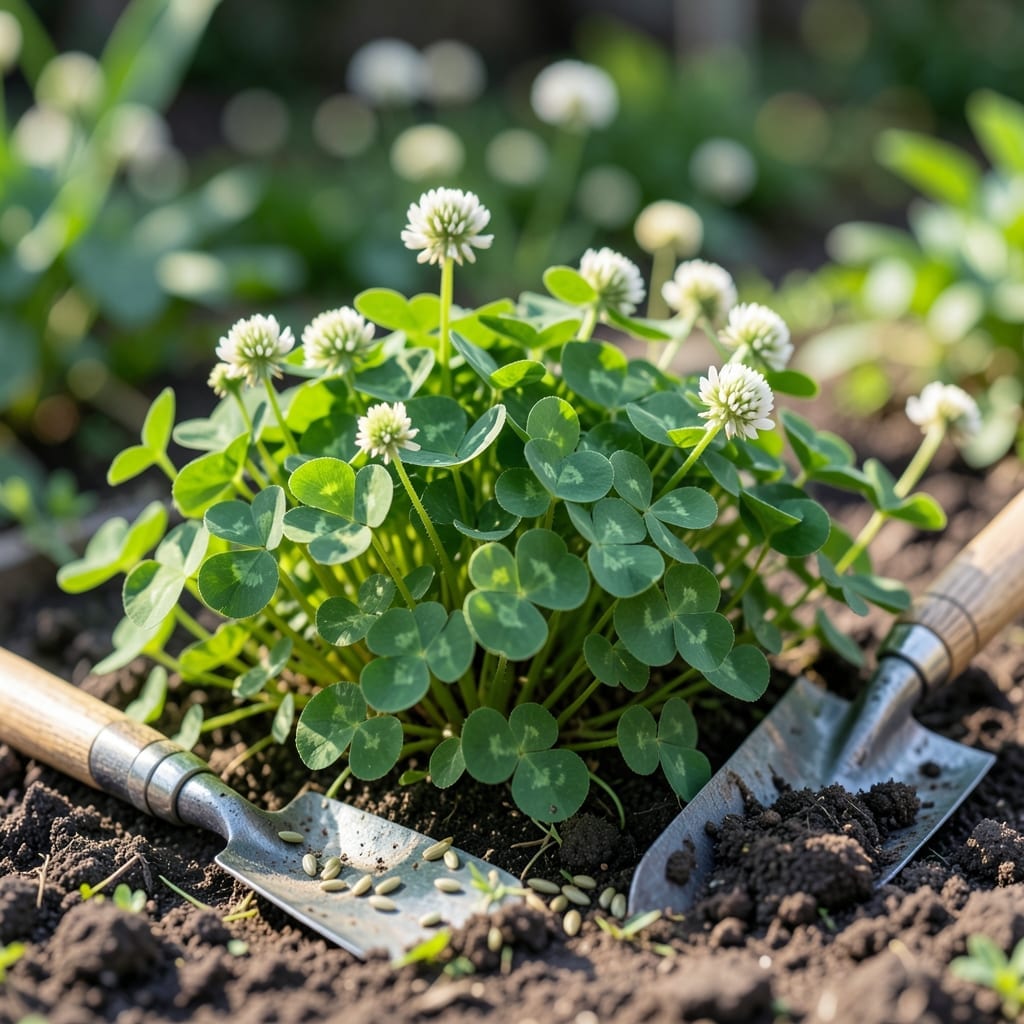
Timing is everything when planting Clover in Illinois—plant too early or too late, and you risk poor germination or weak growth. This isn’t just about picking a date on the calendar.
It’s about understanding your climate zone 5b-6a and working with nature’s schedule. I’ve seen firsthand how the right timing transforms a struggling patch into a thriving green carpet.
Whether you’re a seasoned gardener or just starting out, knowing these ideal windows can make all the difference. The 🍀 plant has specific needs that Illinois’ seasons uniquely support.
Discover the precise months that give your Clover the best shot at establishing strong roots and lush growth before winter hits.
In Illinois, timing your clover planting is crucial for strong establishment. The state spans USDA zones 5b-6a, with spring and fall offering the best windows for sowing clover seeds.
I’ve found that soil temperature is the most reliable indicator. Aim for 45-60°F at a 1-inch depth for optimal germination. This typically aligns with March to May in spring and August to September in fall.
| Season | Ideal Months | Soil Temp | Key Considerations |
| Spring | March-May | 45-60°F | Avoid late frosts; align with rainfall |
| Fall | August-Sept | 50-65°F | 6+ weeks before first frost |
| Northern IL | April-May, Aug | 45-60°F | Shorter season; prioritize early spring |
| Southern IL | March-April, Sept | 50-65°F | Longer season; fall planting works well |
Northern Illinois gardeners should focus on April to May for spring planting. The shorter growing season means you’ll want to start as soon as the soil is workable and temperatures are consistently above 45°F.
In Southern Illinois, you can push your spring planting earlier to March and extend fall planting into September. The warmer climate and longer growing season give you more flexibility.
For both regions, fall planting offers distinct advantages. The cooler temperatures and autumn rains create ideal conditions for seed germination and root development before winter dormancy.
Just ensure you plant 6-8 weeks before the first expected frost, which is typically around October 15 in most of Illinois.
I always recommend checking your local soil temperature with a simple thermometer. It’s a small investment that can dramatically improve your clover’s success rate. Remember, clover seeds need consistent moisture during germination, so align planting with your area’s rainfall patterns when possible.
In dry spells, you’ll need to supplement with light, frequent watering to keep the soil moist but not waterlogged. This is especially important for spring plantings, as Illinois summers can bring drought conditions that stress young clover.
Finally, consider your clover variety. White clover tends to be more cold-hardy and can handle earlier spring planting, while red clover often does better with warmer soil temperatures and may prefer a later spring start.
Always choose a variety suited to your specific goals, whether that’s nitrogen fixation, ground cover, or forage production 🌱
Choosing between spring and fall planting for clover in Illinois depends on your goals. Spring planting from March to May gives seeds a full growing season to establish.
However, fall planting in August-September often yields better results due to cooler temperatures and reduced weed competition.
I’ve found fall planting often works best in Northern Illinois because the cooler soil temperatures help seeds establish without summer heat stress.
In Southern Illinois, spring planting can be more successful due to milder winters and earlier warming. Always check your local frost dates to time it right.
Soil temperature is key—45-60°F is ideal for clover germination. In fall, aim to plant 6-8 weeks before the first expected frost.
For maximum success, I recommend testing both seasons in small plots to see what works best for your specific Illinois microclimate and soil conditions. 🌱