
Beautiful Plants For Your Interior
Beautiful Plants For Your Interior
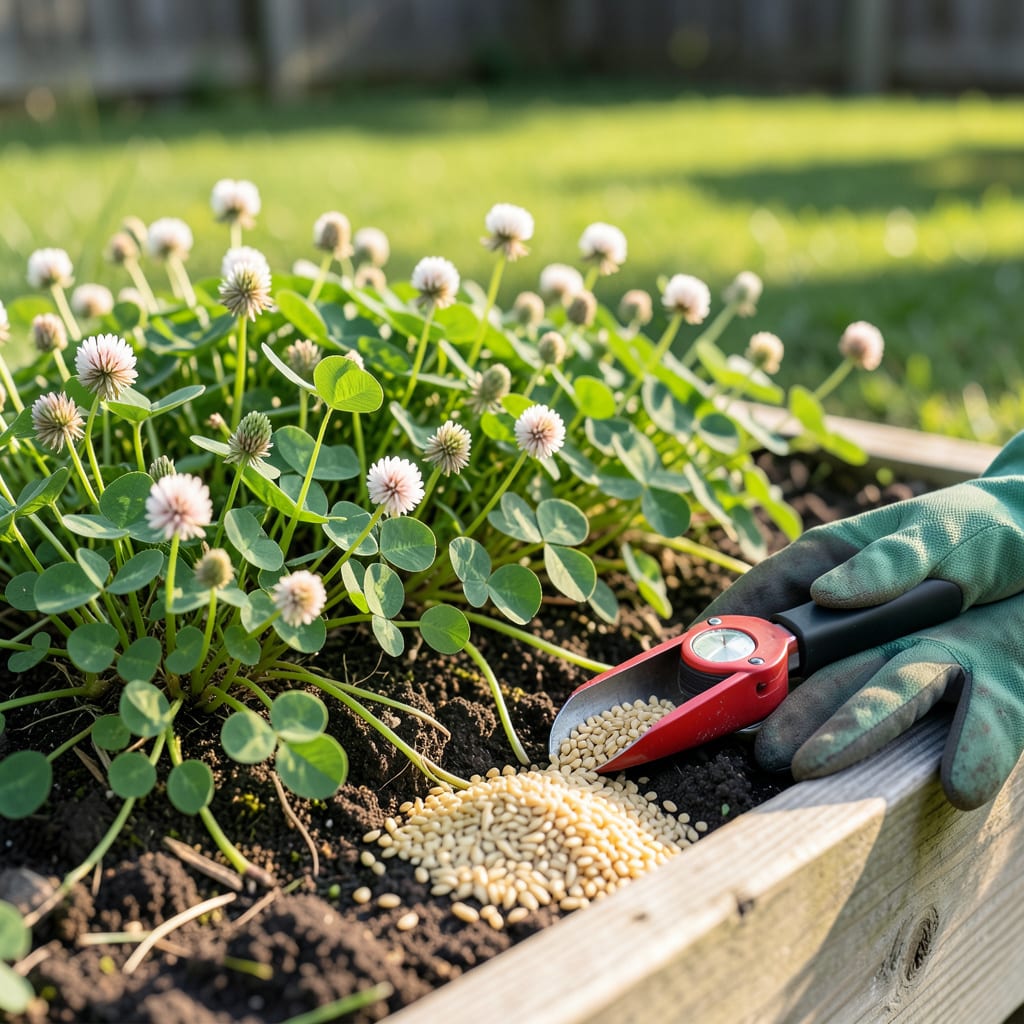
Timing can make or break your 🍀 Clover patch in Alabama’s unpredictable climate. Plant too early, and late frosts might wipe out your seedlings. Wait too long, and the summer heat will bake them before they establish.
After years of testing what works in zones 7b-9a, I’ve nailed down the perfect windows for lush growth. Whether you’re planting for pasture, pollinators, or soil health, I’ll show you exactly when to get those seeds in the ground—and why these two key seasons outperform all others.
If you’re planting clover in Alabama, timing isn’t just important—it’s everything. Our Zone 8 climate gives us two prime windows: early spring (March–April) and early fall (August–September). The key? Matching your clover variety to the season.
Fall planting often wins for winter-hardy varieties like crimson or red clover, while spring suits warm-season types like arrowleaf. But Alabama’s regional microclimates—from the coastal plains to the Appalachian foothills—mean you’ll need to tweak these windows slightly.
| Clover Variety | Best Planting Time | Soil Temp Range | Frost Tolerance | Ideal Use |
|---|---|---|---|---|
| White Clover | March–April or Aug–Sept | 50–65°F | Moderate | Pastures, lawns |
| Red Clover | Aug–Sept (fall preferred) | 55–70°F | High | Hay, silage |
| Crimson Clover | Sept–Oct (early fall) | 60–75°F | High | Cover crop, pollinators |
| Arrowleaf Clover | Feb–March (spring only) | 65–80°F | Low | Deer plots, warm-season |
| Alsike Clover | March–April or Sept | 50–60°F | Moderate | Wet soils, mixtures |
| Subterranean Clover | Sept–Oct (fall only) | 55–65°F | High | Self-seeding, low-maintenance |
🌱 Pro Tip: For North Alabama (Zone 7b), shift fall planting 2 weeks earlier than South Alabama (Zone 9a) to avoid early frosts.
Why does fall planting dominate? Cooler temps and consistent rainfall give clover seeds the moisture they crave without the stress of summer heat. Crimson clover, for example, thrives when sown in September—it establishes roots before winter, then explodes with growth in spring.
Spring planting works best for arrowleaf clover, which hates cold snaps. Wait until soil temps hit 65°F (usually late February in South Alabama, early March up north). Use a soil thermometer to check—don’t guess!
For white clover, you’ve got flexibility. It’s a perennial workhorse that tolerates both spring and fall planting. I recommend early fall for thicker stands, but spring works if you’re overseeding a lawn. Just avoid summer planting—the heat will burn seedlings before they establish.
If you’re in Alabama’s Black Belt region, watch your soil pH. The clay-heavy soils here often need lime adjustments (aim for pH 6.0–6.5) before planting. A soil test from the Alabama Cooperative Extension costs just $7 and saves you headaches later.
For food plots, mix crimson clover with ryegrass or wheat for a high-protein deer magnet. Plant in early October so the clover has time to establish before winter. Come spring, you’ll have a lush, nutrient-packed plot that lasts into early summer.
Remember: Seed depth matters. Clover seeds are tiny—1/4 inch deep max. Use a broadcast spreader for even coverage, then lightly rake to ensure good soil contact. Water gently but keep the soil moist for the first 10–14 days until germination.
Finally, don’t skip the weed control. Alabama’s warm, humid climate means weeds like nutsedge and crabgrass will outcompete your clover if given half a chance. A pre-emergent herbicide (like pendimethalin) applied 2 weeks before planting can save your stand.
Whether you’re planting for forage, soil health, or wildlife, nailing the timing ensures your clover thrives. Now grab your seeds and get planting—your Alabama soil is waiting! 🌿
Even with perfect timing, your Alabama clover can fail if you make these common mistakes. I’ve seen countless seedlings die from preventable errors—especially in our humid, clay-heavy soils. Let’s fix them before you plant.
First, overwatering in clay soil is a silent killer. Alabama’s Black Belt region and coastal plains have dense clay that holds moisture like a sponge. If you water like you would in sandy soil, you’ll drown your seeds before they sprout.
🌱 Critical Stat: 70% of clover failures in Alabama trace back to these three issues.
The second mistake? Planting seeds too deep. Clover seeds are tiny—they need light to trigger germination. Bury them more than ¼ inch, and they’ll never sprout. Use a broadcast spreader, then drag a leaf rake to press seeds into soil.
Third, skipping soil tests in Alabama’s diverse regions is asking for trouble. The Appalachian foothills (Zone 7b) often have acidic soil (pH 5.0–5.5), while the Gulf Coast (Zone 9a) trends neutral to alkaline. Clover thrives at pH 6.0–6.5—outside this range, you’ll get weak, yellowing plants.
Here’s how to fix it: For acidic soils (common in north Alabama), apply pelletized lime at 50 lbs per 1,000 sq ft 2 months before planting. In alkaline coastal soils, mix in sulfur or peat moss to lower pH. A $7 test from your local Extension office saves hundreds in wasted seed.
Bonus mistake: Planting in summer. Alabama’s 90°F+ temps and humidity create a death zone for clover seedlings. Even heat-tolerant varieties like arrowleaf struggle. If you must plant in summer, choose shaded areas, water twice daily, and use shade cloth for the first 2 weeks.
Finally, weed competition chokes out clover faster than drought. Alabama’s nutsedge, crabgrass, and pigweed explode in warm weather. Pre-emergent herbicides (like pendimethalin) work, but timing is critical: Apply 2 weeks before planting, or you’ll kill your clover too. For organic plots, solarize soil with clear plastic for 4–6 weeks before seeding.
Fix these mistakes, and you’ll see thicker stands, faster germination, and longer-lasting clover. Your Alabama soil—and your wallet—will thank you! 🌿
Getting your Alabama soil ready for clover is half the battle. Our state’s diverse conditions—from clay-heavy Black Belt to sandy coastal plains—demand tailored prep. Skip this step, and even the best-timed planting can flop.
Start with a soil test. Alabama’s Cooperative Extension offers $7 tests that reveal your pH, nutrient levels, and organic matter. Clover thrives at pH 6.0–6.5, but many Alabama soils hover below 5.5, especially in the Piedmont region.
Collect 5–10 samples from 4–6 inches deep. Mix and send to your local Extension office. For pH below 6.0, add pelletized lime (50 lbs/1,000 sq ft).
Spray glyphosate or solarize soil (cover with clear plastic for 4–6 weeks) to kill nutsedge, crabgrass, and pigweed. Wait 2 weeks after herbicide before planting.
Till clay soils to 4–6 inches deep; lightly rake sandy areas. Remove debris and rocks. For food plots, add 1–2 inches of compost and till again for a smooth seedbed.
Apply a low-nitrogen fertilizer (5-10-10 or 0-20-20) at 1 lb per 100 sq ft. Avoid high nitrogen—it favors weeds over clover. Water lightly after application.
For pastures, mix clover with orchardgrass or fescue. For food plots, pair with wheat or ryegrass. These companion plants provide support and extend the plot’s productivity.
In North Alabama’s clay, focus on drainage. Mix in gypsum or sand to break up compacted areas. For coastal sands, add organic matter (like peat moss or compost) to retain moisture and nutrients.
For food plots, consider a nurse crop like oats or wheat. These fast-growing grains protect clover seedlings from erosion and weeds. Plant them slightly deeper (½ inch) so they don’t outcompete your clover.
After planting, roll or cultipack the soil to ensure seed-to-soil contact. This step boosts germination rates by 20–30%. Water gently with a fine mist nozzle to avoid washing seeds away.
Monitor moisture closely for the first 10–14 days. Clover seeds need consistent dampness—not soggy—to germinate. In Alabama’s humid climate, you may only need to water every 2–3 days unless it’s unusually dry.
With the right prep, your clover will germinate faster, grow thicker, and last longer. Now you’re ready to plant with confidence—your Alabama soil is primed for success! 🌱
For North Alabama (Zone 7b), shift fall planting 2 weeks earlier than southern regions. Aim for late August to early September to avoid early frosts. Spring planting works well in mid-March after the last frost risk passes.
Avoid summer planting in Alabama—90°F+ temps and humidity create harsh conditions. If you must, choose shaded areas, water twice daily, and use shade cloth for the first 2 weeks. Arrowleaf clover tolerates heat better than most varieties.
In Alabama’s coastal sandy soils, plant seeds ⅛ inch deep max. These tiny seeds need light to germinate, so broadcast evenly and lightly rake to ensure contact. Add 1–2 inches of compost to help retain moisture in fast-draining sand.
Grab a $7 soil test from your local Alabama Cooperative Extension office. Collect 5–10 samples from 4–6 inches deep, mix, and submit. Results arrive in 1–2 weeks with exact lime/fertilizer recommendations for your region’s clay or sandy soil.
Subterranean clover is your low-maintenance champion. Plant in September–October, and it self-seeds annually with minimal care. It thrives in poor soils and tolerates Alabama’s droughts and heat better than most varieties. Perfect for busy landowners!
