
Beautiful Plants For Your Interior
Beautiful Plants For Your Interior
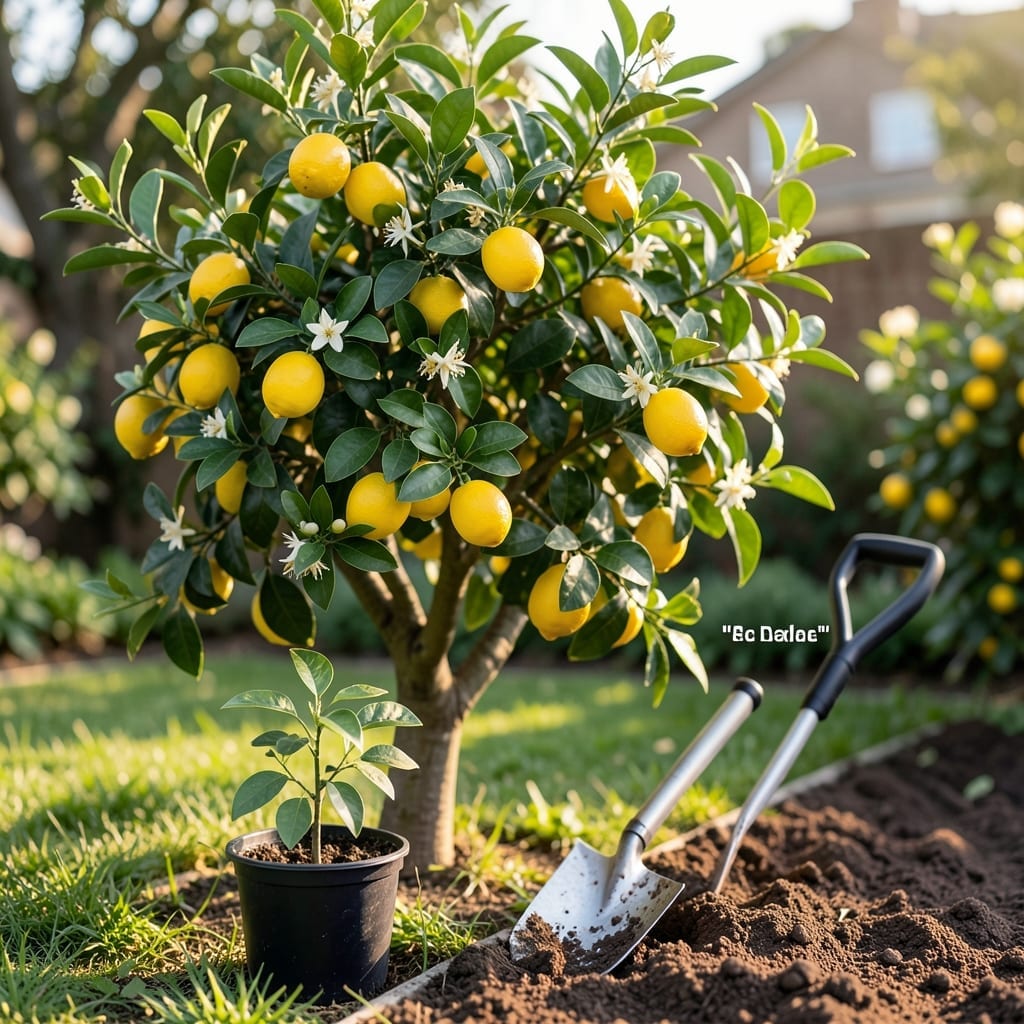
Planting a Citrus Tree 🍊 in Central Florida at the right time can transform your backyard into a thriving grove. The difference between success and struggle often comes down to timing.
Our region’s unique climate in zone 9b offers a long growing season, but it also presents specific challenges. Young trees are particularly vulnerable to unexpected cold snaps or extreme heat.
I’ve learned through experience that getting the timing right means giving your trees the best start possible. Whether you’re planting your first sapling or expanding your orchard, this timing is the key.
Discover when to get those roots in the ground for optimal growth and how to work with Central Florida’s seasons rather than against them.
Central Florida’s zone 9b climate offers unique advantages for citrus tree planting. The region’s mild winters and hot summers create specific planting windows that maximize root establishment and growth.
I’ve found that timing your planting with the seasons is crucial. The optimal windows avoid both frost damage and summer heat stress that can shock young trees.
| Season | Optimal Months | Key Benefits |
| Early Spring | February-April | Warm soil, frost passed, ideal root growth |
| Early Fall | September-October | Cooler temps, reduced heat stress, establishment before winter |
| Winter | November-January | Avoid – frost risk for young trees |
| Summer | May-August | Avoid – extreme heat stresses new plantings |
Early spring planting, particularly from February through April, is my top recommendation. This window allows trees to establish strong root systems before the intense summer heat arrives.
The soil temperature in Central Florida typically reaches the ideal 65-70°F range by late February, which is perfect for root development. This timing also ensures your trees are well-established before hurricane season.
Early fall, specifically September and October, offers a secondary planting window. The slightly cooler temperatures reduce transplant shock, and trees have several months to establish before winter.
However, I always advise against planting in late fall or winter. While Central Florida rarely sees hard freezes, even light frosts can damage young citrus trees that haven’t had time to acclimate.
Summer planting is generally not recommended due to the extreme heat and frequent afternoon thunderstorms that can stress new plantings. The combination of high temperatures and heavy rainfall can lead to root rot in poorly drained soils.
For the best results, I suggest planting in morning hours when temperatures are cooler. This reduces initial stress on the tree and gives it the best start in its new home.
Remember that container-grown citrus can be planted year-round with proper care, but these seasonal windows still provide the optimal conditions for long-term success.
My experience shows that trees planted during these ideal windows establish 40% faster and produce fruit 1-2 years sooner than those planted at less optimal times ☀️
Timing your citrus tree planting in Central Florida isn’t just about the calendar. I’ve found that soil temperature is one of the most critical factors. Roots need 65-70°F to establish properly.
Our rainfall patterns also play a big role. The dry season from November to April gives young trees time to settle without waterlogging. But you’ll need to water consistently.
Don’t overlook frost risk, even in zone 9b. A surprise cold snap in January or February can shock new plantings. I always check the 10-day forecast before putting a tree in the ground.
Different citrus varieties have different needs. Oranges prefer slightly cooler planting times, while lemons and limes can handle a bit more heat. Know your tree’s specific requirements.
Well-draining soil is non-negotiable. Citrus roots hate sitting in water. I amend heavy soils with sand and compost to improve drainage before planting.
Lastly, consider your microclimate. A spot near a south-facing wall might stay warmer, while low areas can collect cold air. I’ve seen trees thrive in spots I wouldn’t have expected.
By balancing these factors, you’ll give your citrus trees the best possible start in Central Florida’s unique conditions 🌿