
Beautiful Plants For Your Interior
Beautiful Plants For Your Interior
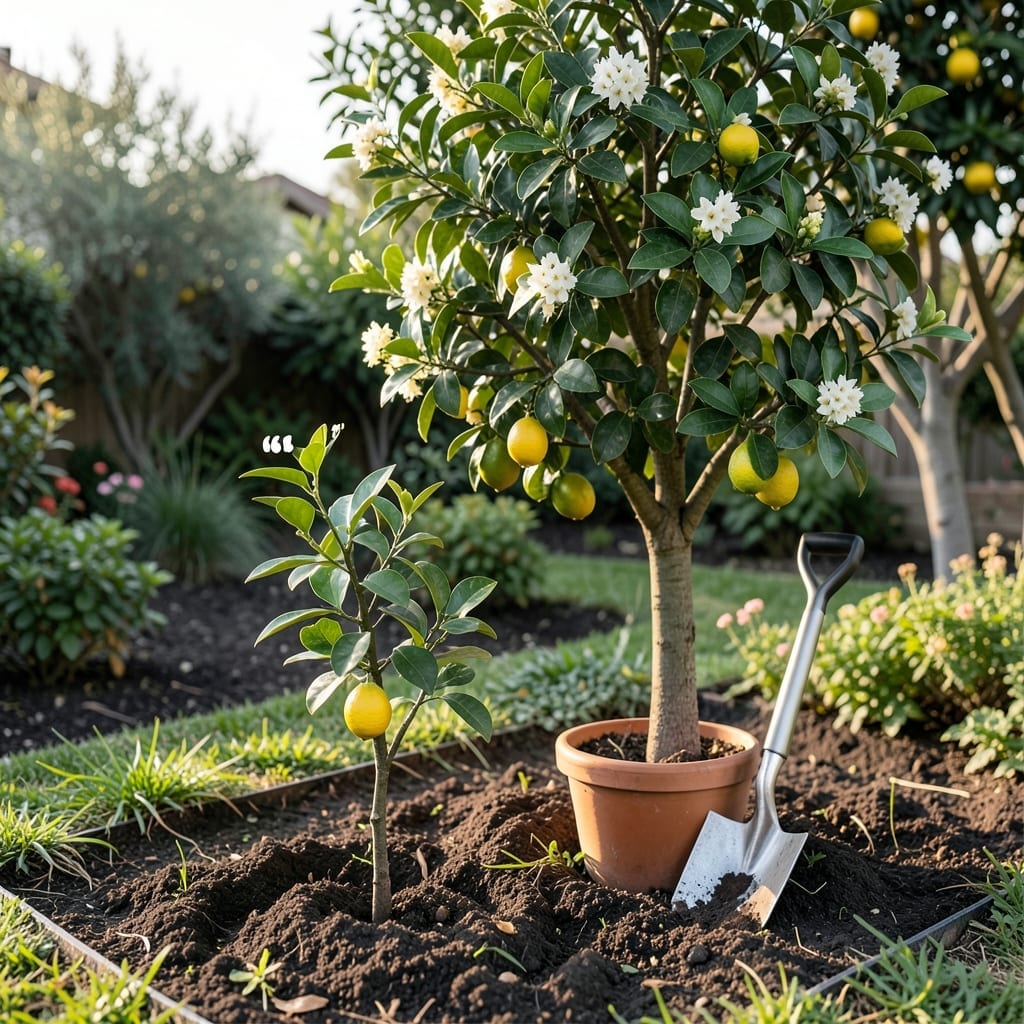
Arizona’s intense heat and unique desert climate mean timing is everything when planting Citrus Trees 🍊. Get it right, and you’ll enjoy bountiful harvests for years to come.
Planting at the wrong time can lead to stress, poor growth, or even tree loss. In our 9b zone, the window is narrow but most important for success.
I’ve seen what happens when gardeners rush the process. The difference between thriving trees and struggling ones often comes down to just a few weeks.
Discover the exact seasonal sweet spot that gives your Citrus Tree the strongest start in Arizona’s challenging conditions.
Timing your citrus tree planting in Arizona can make or break your harvest. Our desert climate demands careful planning to avoid heat stress or frost damage to young trees. 🌿
The ideal window is early spring, just after the last frost date (typically mid-February in low desert areas). This gives roots time to establish before summer’s extreme heat hits. 🌡️
| Season | Planting Window | Key Consideration |
|---|---|---|
| Early Spring | February-April | Avoid late frosts; best for root establishment |
| Fall | September-October | Allows roots to grow before winter dormancy |
| Summer | ❌ Not recommended | Extreme heat stresses young trees |
In high desert areas (like Flagstaff), wait until late April or May when soil temperatures reach at least 60°F. Colder soils can shock roots and stunt growth. ☀️
Fall planting works well in low desert zones (Phoenix, Tucson). Aim for September to early October to give trees 6-8 weeks of warm soil before cooler weather slows growth. 🌱
Always check your local frost dates. Planting 2-3 weeks after the last expected frost ensures safety. I’ve seen citrus survive light frosts, but young trees are vulnerable until established.
Soil temperature is critical—use a soil thermometer to confirm it’s consistently above 55°F at 4-inch depth. This is especially important for container-grown trees.
If you’re in USDA Zone 9b (most of AZ), March is prime time. The combination of warm days and cool nights reduces transplant shock while encouraging root growth. ✂️
Avoid planting during monsoon season (July-September) when heavy rains can waterlog soil. Citrus hates soggy roots, and poor drainage is a common killer in desert gardens.
For dwarf citrus varieties, the same timing applies, but they’re more forgiving of container planting. Just ensure pots have drainage holes and use cactus mix soil for best results. 🪴
Planting citrus trees in Arizona’s desert soil requires careful preparation to ensure success. I always start by selecting a sunny location with at least 8+ hours of direct sunlight daily, as citrus thrives in full sun.
The next step is amending the desert soil with organic matter like compost to improve drainage and fertility. Citrus roots hate soggy conditions, so well-draining soil is non-negotiable for healthy growth.
When planting, I dig a hole twice as wide as the root ball but no deeper. This gives the roots room to spread out while preventing settling issues that can suffocate the tree.
After placing the tree in the hole, I backfill with the amended soil, gently tampering to remove air pockets. The graft union must stay 2-3 inches above the soil line to prevent rot and encourage proper growth.
Finally, I water the tree deeply to help it establish, then apply a 2-3 inch layer of mulch to conserve moisture. In Arizona’s heat, consistent deep watering is key during the first year. ☀️
Remember, citrus trees need protection from late frosts in winter and extreme heat in summer. A shade cloth can help young trees adjust to the harsh desert sun. 🌳