
Beautiful Plants For Your Interior
Beautiful Plants For Your Interior
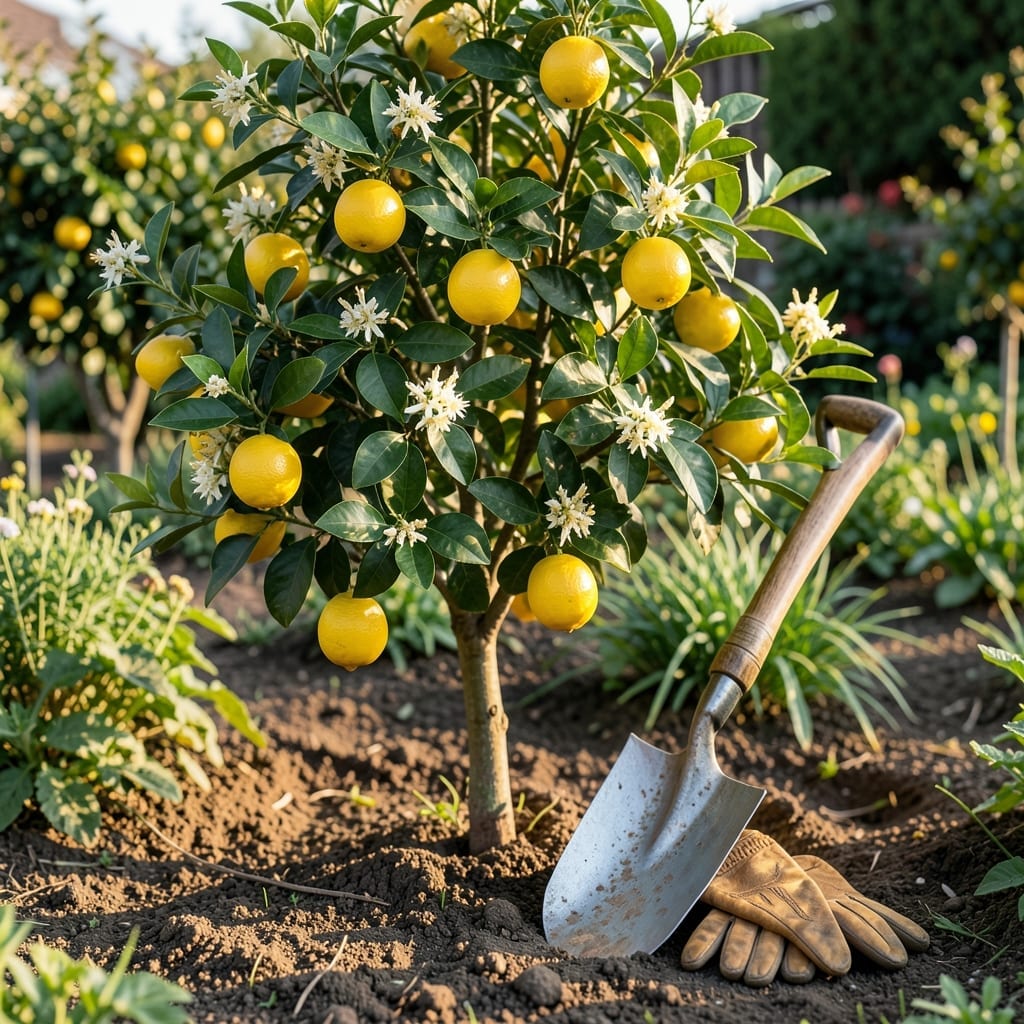
Arizona’s unique climate offers a prime opportunity for growing Citrus 🍊, but timing is everything to ensure thriving trees and bountiful harvests. Planting at the wrong time can leave your trees vulnerable to stress or poor growth.
I’ve seen firsthand how the right planting window makes all the difference in zone 9b. Whether you’re in Phoenix or Tucson, the key is working with the seasons, not against them.
You’ll discover the best months to get your trees in the ground, plus tips to avoid common pitfalls. No guesswork—just proven strategies for success.
Let’s break down exactly when and how to plant Citrus in AZ so you can enjoy healthy, productive trees for years to come.
Arizona’s diverse climate zones mean planting times vary. In the low desert areas like Phoenix and Tucson, late February through April is ideal. This window avoids frost while letting roots establish before summer heat.
The high desert regions, such as Prescott and Flagstaff, have a shorter growing season. Here, late April to early June works best to dodge late frosts. Intermediate zones fall somewhere in between, often aligning with the low desert timeline.
| Region | Best Planting Months | Key Consideration |
|---|---|---|
| Low Desert (Phoenix, Tucson) | February – April | Avoid frost; establish before heat |
| High Desert (Prescott, Flagstaff) | April – Early June | Dodge late frosts; shorter season |
| Intermediate Zones | March – April | Balance frost and heat risks |
I’ve found that soil temperature is just as important as air temperature. Citrus roots thrive when the soil is at least 60°F. Use a soil thermometer to check before planting.
For container planting, you have more flexibility. You can start earlier, even in January, if you’re able to move pots indoors during cold snaps. Just ensure they get full sun for at least 6 hours daily.
Microclimates play a big role in Arizona. South-facing walls or urban heat islands can extend your planting window. Observe your specific location’s patterns before deciding.
If you’re planting in clay soil, which is common in many AZ regions, amending with sand and compost is critical. Citrus roots need excellent drainage to prevent rot.
Frost protection is non-negotiable for young trees. Even in the low desert, a surprise frost can occur. Have frost cloths or blankets ready for the first year.
Early planting gives your citrus a head start, but late planting isn’t a deal-breaker. If you miss the spring window, early fall can work in some areas, provided you protect the tree from winter cold.
Remember, citrus varieties like Meyer lemons and Satsuma mandarins are more cold-hardy. They’re great choices for Arizona’s variable climate. Always check the specific needs of your chosen variety.
With the right timing and care, your Arizona citrus will reward you with years of abundant fruit and lush foliage. 🌳
Preparing Arizona soil for citrus trees is crucial for strong root development. Our arid climate often means dealing with clay or sandy soil, both of which need amendment for proper drainage.
I always start with a soil test to check pH levels. Citrus thrives in slightly acidic soil (pH 6.0-7.0). If your soil is too alkaline, I recommend mixing in sulfur or peat moss to lower the pH.
For sandy soil, I mix in organic matter like compost or well-rotted manure. This improves water retention while maintaining good drainage. Citrus roots hate soggy conditions, so well-draining soil is non-negotiable.
If you’re planting in a container, use a citrus-specific potting mix. These blends are formulated with the right balance of perlite, peat, and compost for optimal growth in pots.
Remember, Arizona’s intense sun can dry out soil quickly. I always mulch heavily around the base of my citrus trees to conserve moisture and protect roots from temperature swings.
With these steps, your citrus will have the perfect foundation to thrive in our desert climate 🌿