
Beautiful Plants For Your Interior
Beautiful Plants For Your Interior
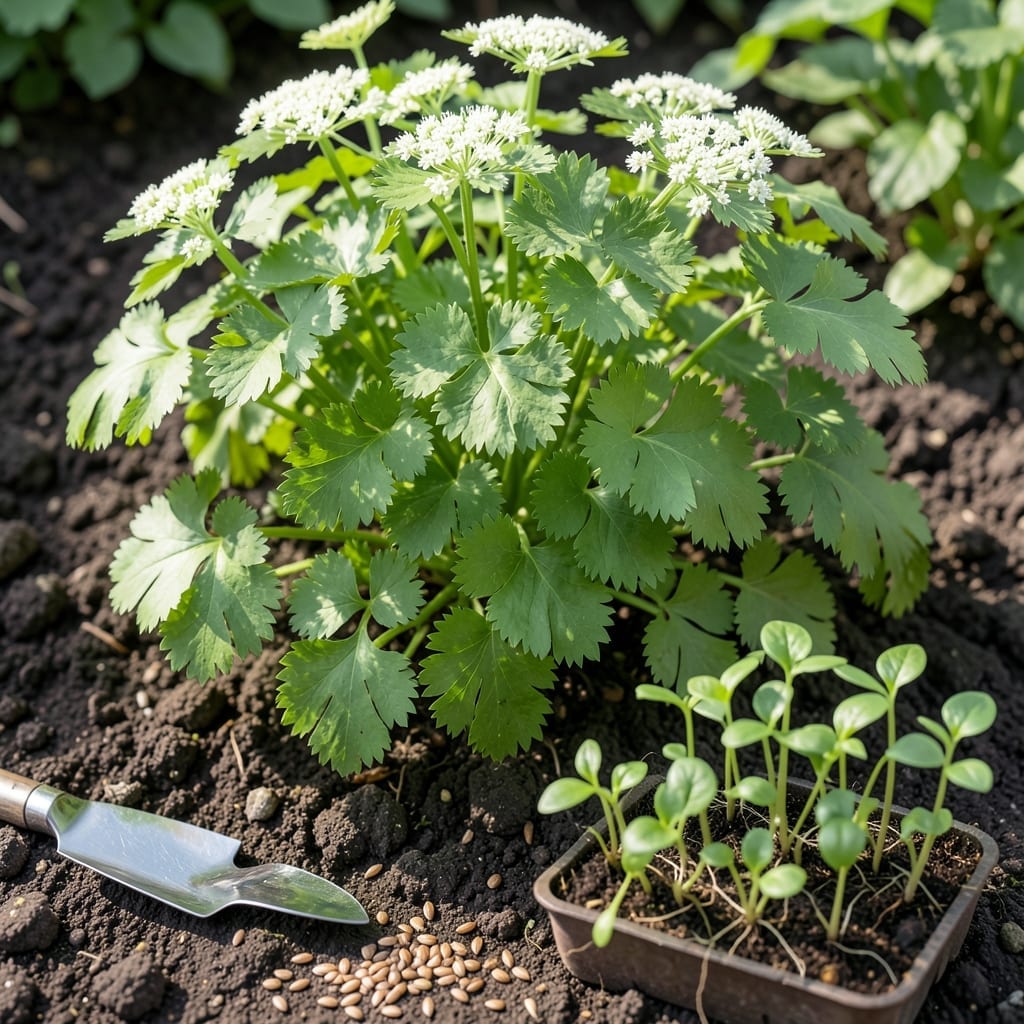
Cilantro thrives in Oklahoma’s climate—but only if you plant it at the right time. This cool-season herb bolts quickly in summer heat, making spring and fall the key windows for success.
I’ve learned the hard way that timing is everything with 🌿 Cilantro. Plant too late in spring, and you’ll watch it flower before you can harvest a single leaf. Get it right, and you’ll enjoy fresh, flavorful leaves for weeks.
In our 6b-7a zones, the sweet spots are March-April and August-September. These periods avoid the brutal summer temperatures that trigger bolting while giving your plants time to establish.
Let me walk you through exactly how to nail these planting windows. You’ll discover how to extend your harvest and avoid the most common mistakes Oklahoma gardeners make with this finicky herb.
Timing is everything when growing cilantro in Oklahoma. This cool-season herb thrives in 50-70°F soil and struggles in summer heat. I’ve found early spring and fall are your best bets for success. 🌱
Oklahoma spans USDA Zones 6b-8a, so planting dates vary slightly. In eastern Oklahoma, start seeds mid-March to early April. For western regions, wait until late March to avoid late frosts. 🌿
| Region | Spring Planting | Fall Planting | Soil Temp |
|---|---|---|---|
| Eastern OK | Mid-March to Early April | Late August to Early September | 50-70°F |
| Western OK | Late March to Early April | Early September | 50-70°F |
| All Zones | 4-6 weeks before last frost | 6-8 weeks before first frost | Avoid >75°F |
For spring planting, I recommend starting indoors 4-6 weeks before your last frost date. This gives seedlings a head start. Transplant outdoors when nighttime temps stay above 45°F. ✂️
In fall, direct sow seeds 6-8 weeks before your first expected frost. This timing ensures mature plants before cold weather hits. Oklahoma’s first frost typically arrives mid-October. 🌡️
Watch for bolting signs like flower stalks forming. Once cilantro bolts, leaves turn bitter. To prevent this, plant in partial shade during warmer months or use shade cloth. 🌞
Soil prep matters too. I always amend my beds with compost for better drainage. Cilantro hates waterlogged roots, so ensure your soil drains well. A pH of 6.2-6.8 is ideal. 💧
For succession planting, sow new seeds every 2-3 weeks during the growing season. This staggered approach keeps a steady supply of fresh leaves. It works especially well in Oklahoma’s mild springs. 🌼
Remember, cilantro grows fast—you’ll see sprouts in 7-10 days under ideal conditions. Harvest leaves when plants reach 6 inches tall, but always leave some foliage for continued growth. ✅
If you’re in Zone 8a, you might squeeze in a winter crop with protection. Use row covers to shield plants from light frosts. This can extend your harvest into early December. 🪴
Finally, choose slow-bolt varieties like ‘Calypso’ or ‘Santo’ for longer harvests. These types handle Oklahoma’s temperature swings better than standard cilantro. They’re worth the extra investment. 🌿
I’ve found that succession planting is the secret to enjoying cilantro all season. By sowing new seeds every 2-3 weeks during spring and fall, you’ll always have fresh plants ready as older ones bolt.
Slow-bolt varieties like ‘Calypso’ or ‘Santo’ are game-changers in Oklahoma’s heat. These types resist flowering longer, giving you more harvest time before the summer temperatures set in.
In late spring, I recommend using 30-40% shade cloth to protect your cilantro. This simple step can delay bolting by several weeks, giving you more time to enjoy those fresh leaves.
Mulching is another essential practice in Oklahoma. A 2-3 inch layer of organic mulch helps keep soil temperatures stable and reduces water evaporation during our unpredictable weather swings.
Remember that morning watering is best. This allows foliage to dry before evening, reducing the risk of fungal diseases that cilantro can be susceptible to in humid conditions.
By combining these techniques, you can double your harvest window. I’ve successfully grown cilantro well into June using shade and succession planting, and you can too with these strategies. 🌱