
Beautiful Plants For Your Interior
Beautiful Plants For Your Interior
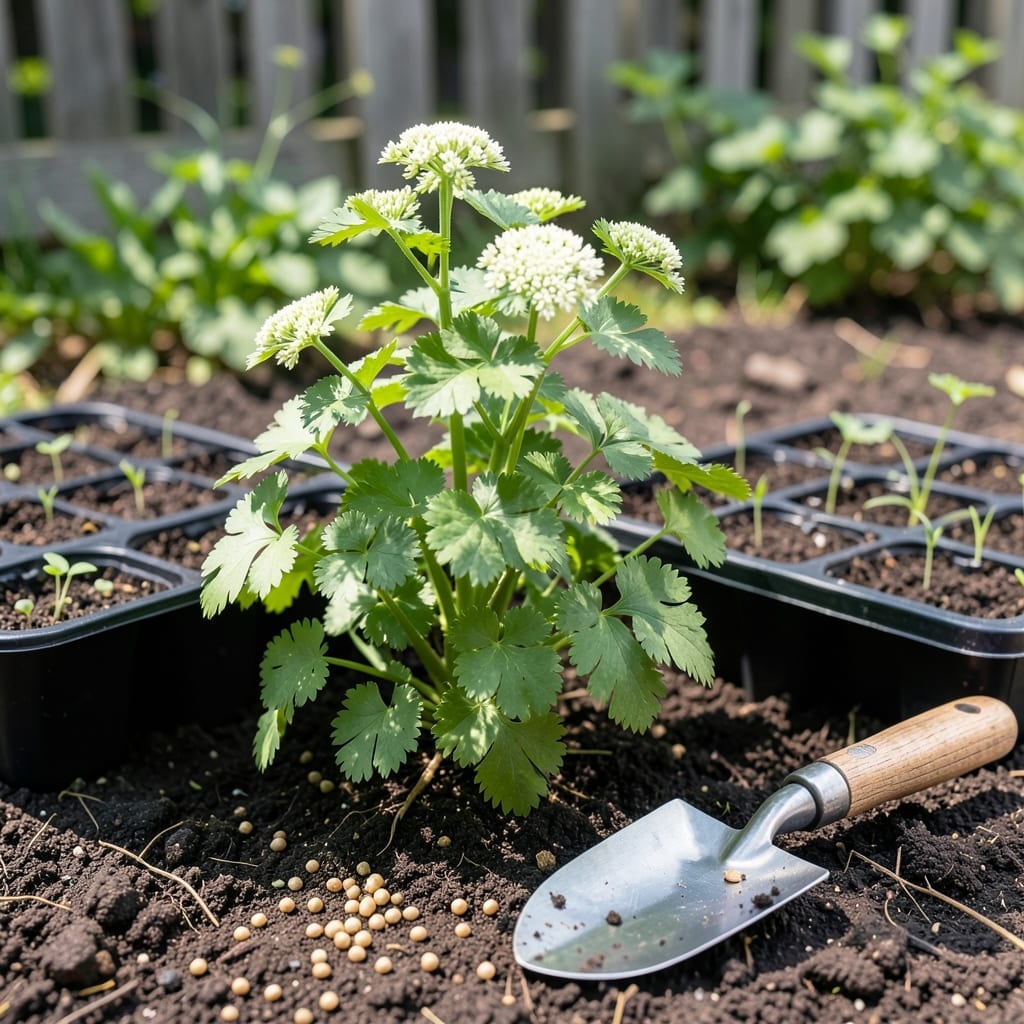
Timing is everything when growing Cilantro in Ohio’s Zone 6a climate. Plant too early or too late, and you’ll miss that fresh, leafy harvest.
I’ve learned the hard way that this cool-season herb thrives in specific windows. Whether you’re planting in spring or fall, getting the timing right means the difference between success and disappointment.
The good news? With the right approach, you can enjoy multiple harvests. Discover how to align your planting with Ohio’s unique seasons for the best results.
Let me walk you through the exact windows and tips to keep your 🌿 Cilantro flourishing before the summer heat sets in.
In Ohio’s Zone 6, cilantro thrives as a cool-season herb. I’ve found the best planting windows align with soil temps between 50-70°F, avoiding summer heat that triggers bolting. ☀️
For spring, I sow seeds 2-3 weeks after the last frost date (around mid-April). In fall, I plant 6-8 weeks before the first frost (mid-October) to maximize growth. 🌱
| Season | Planting Window | Frost Reference |
| Spring | March – April | 2-3 weeks after last frost |
| Fall | August – September | 6-8 weeks before first frost |
| Soil Temp | 50-70°F | Optimal range |
I always check soil temperature with a thermometer before sowing. Cilantro seeds germinate poorly in cold soil below 50°F, so I wait for consistent warmth. ✂️
The summer heat in Ohio is cilantro’s enemy. Once temps hit 80°F, plants bolt, producing flowers and seeds instead of leafy growth. That’s why fall planting is ideal. 🌿
For fall harvests, I start seeds in late August to early September. This gives plants 6-8 weeks to mature before October frosts arrive, ensuring a full leafy crop. 🌡️
I’ve noticed succession planting works wonders. By sowing new seeds every 2-3 weeks in spring, I extend my harvest before the heat sets in. This method keeps my kitchen stocked. 🌱
In fall, I use row covers to protect young plants from early frosts. This simple step can add 2-3 weeks to my growing season, especially in northern Ohio. ☀️
Remember, cilantro prefers well-draining soil with full sun to partial shade. I amend my beds with compost before planting to ensure nutrient-rich conditions. 💧
Watering consistently is key. I aim for 1 inch per week, keeping soil moist but not soggy. Overwatering can lead to root rot, which I’ve learned the hard way. 🪴
By following these Ohio-specific timing tips, I’ve enjoyed bountiful cilantro harvests both spring and fall. The key is working with Zone 6’s climate, not against it. 🌿
I’ve found that cilantro in Ohio’s climate needs a little extra care to keep producing. The key is succession planting every 2-3 weeks to ensure a continuous supply.
This cool-season herb bolts quickly in summer heat, so I always plant new seeds as soon as the previous batch starts flowering. It’s my go-to strategy for maximizing harvests before the weather turns.
I also recommend mulching around plants to retain moisture and keep soil temperatures stable. This simple step can extend your harvest by weeks in Ohio’s unpredictable weather.
Another trick I swear by is pinching back flowers as soon as they appear. This encourages the plant to focus on leaf growth rather than seed production, giving you more time to enjoy fresh cilantro.
For fall plantings, I start seeds 6-8 weeks before the first expected frost. This timing ensures mature plants before cold weather sets in, and I often get a second harvest before winter.
By combining these techniques, I’ve managed to enjoy cilantro almost year-round in Ohio. The key is staying one step ahead of the seasons and the plant’s natural tendencies. 🌿