
Beautiful Plants For Your Interior
Beautiful Plants For Your Interior
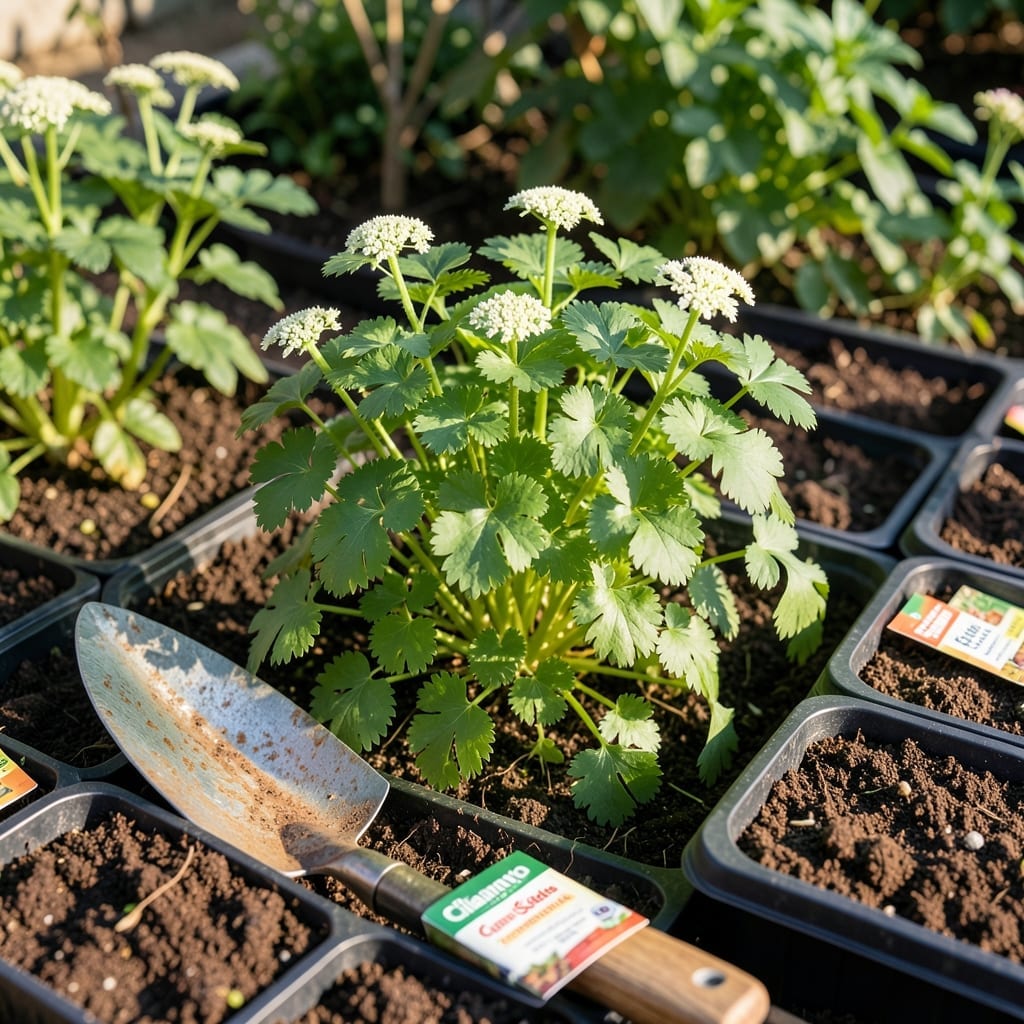
Timing is everything when growing Cilantro 🌿 in Missouri—plant too late and it bolts to seed before you can harvest a single leaf. This flavorful herb thrives in cool weather, making spring and fall the perfect windows.
Missouri’s climate in zone 6a offers two prime planting periods: early spring or late summer. Getting this right means a continuous supply of fresh leaves for your kitchen.
I’ve tested various approaches in my own garden, and the difference proper timing makes is remarkable. You’ll avoid the frustration of premature bolting and enjoy bountiful harvests.
Discover the exact months to sow and how to beat the heat. Let’s make your Cilantro 🌿 growing season the most productive yet.
Getting cilantro timing right in Missouri means working with our USDA Zone 6a climate. The key is avoiding summer heat, which causes premature bolting. I’ve found the sweet spots are early spring and late summer. 🌱
Our last frost date is typically April 15, so I start seeds indoors 4-6 weeks earlier or direct-sow after the soil warms to 40°F. For fall, I plant in late August for a September harvest. 🌿
| Planting Window | Method | Harvest Time | Notes |
|---|---|---|---|
| Early Spring | March-April | May-June | Start indoors or direct-sow after frost |
| Late Summer | August-September | September-October | Avoid heat; use shade cloth if needed |
Northern Missouri gardeners should delay planting by 1-2 weeks compared to southern areas. I always check soil temperature with a thermometer—cilantro germinates best at 55-65°F. Cooler temps slow bolting. 🌡️
For succession planting, I sow new seeds every 2-3 weeks during the spring window. This ensures a continuous harvest before summer heat kicks in. Fall plantings benefit from cooler nights, which extend the growing period.
Missouri’s first frost arrives around October 15, so late plantings must mature quickly. I choose fast-maturing varieties like ‘Santo’ or ‘Calypso’ for fall. These reach harvest size in about 50-60 days. ⏰
If you’re in urban areas like St. Louis or Kansas City, microclimates can vary. I recommend using row covers in early spring to protect young plants from unexpected cold snaps. This also helps retain moisture. 💧
Soil preparation is crucial. I amend my beds with compost and ensure good drainage. Cilantro dislikes waterlogged roots, so raised beds work well in Missouri’s clay-heavy soil. A pH of 6.2-6.8 is ideal. 🪴
Remember, cilantro bolts fast in temperatures above 75°F. If summer arrives early, I switch to shade cloth or plant in areas with morning sun and afternoon shade. This can buy you an extra 2-3 weeks of harvest. ☀️
Finally, keep an eye on weather forecasts. Missouri’s unpredictable springs can bring late frosts or sudden heatwaves. I always have frost blankets ready and monitor 10-day outlooks to adjust my planting schedule. ✅
Missouri’s summer heat is cilantro’s worst enemy, but I’ve found ways to outsmart bolting. The secret is keeping plants cool and stress-free. I start with slow-bolt varieties like ‘Calypso’ or ‘Santo’. 🌱
These heat-tolerant types can handle temperatures up to 80°F before flowering. I also plant in partial shade or use 30-40% shade cloth during peak summer. This simple step can double your harvest window. ☀️
I’ve learned that inconsistent watering triggers stress, which leads to bolting. I water deeply once a week or more often in extreme heat. Drip irrigation works best to keep foliage dry and prevent disease. 💧
Over-fertilizing is another common mistake. Cilantro prefers leaner soil, so I use a light hand with compost. Too much nitrogen produces lush leaves but can delay maturity, making plants more susceptible to bolting. 🪴
For container gardening, I move pots to shadier spots as temperatures rise. Terra cotta pots help wick away excess moisture. I also mulch heavily with straw to keep roots cool and retain soil moisture. ✂️
Finally, I harvest regularly to encourage bushier growth. When I see flower buds forming, I know it’s time to cut back or pull plants. The leaves are still edible but will turn bitter quickly. ⏰