
Beautiful Plants For Your Interior
Beautiful Plants For Your Interior
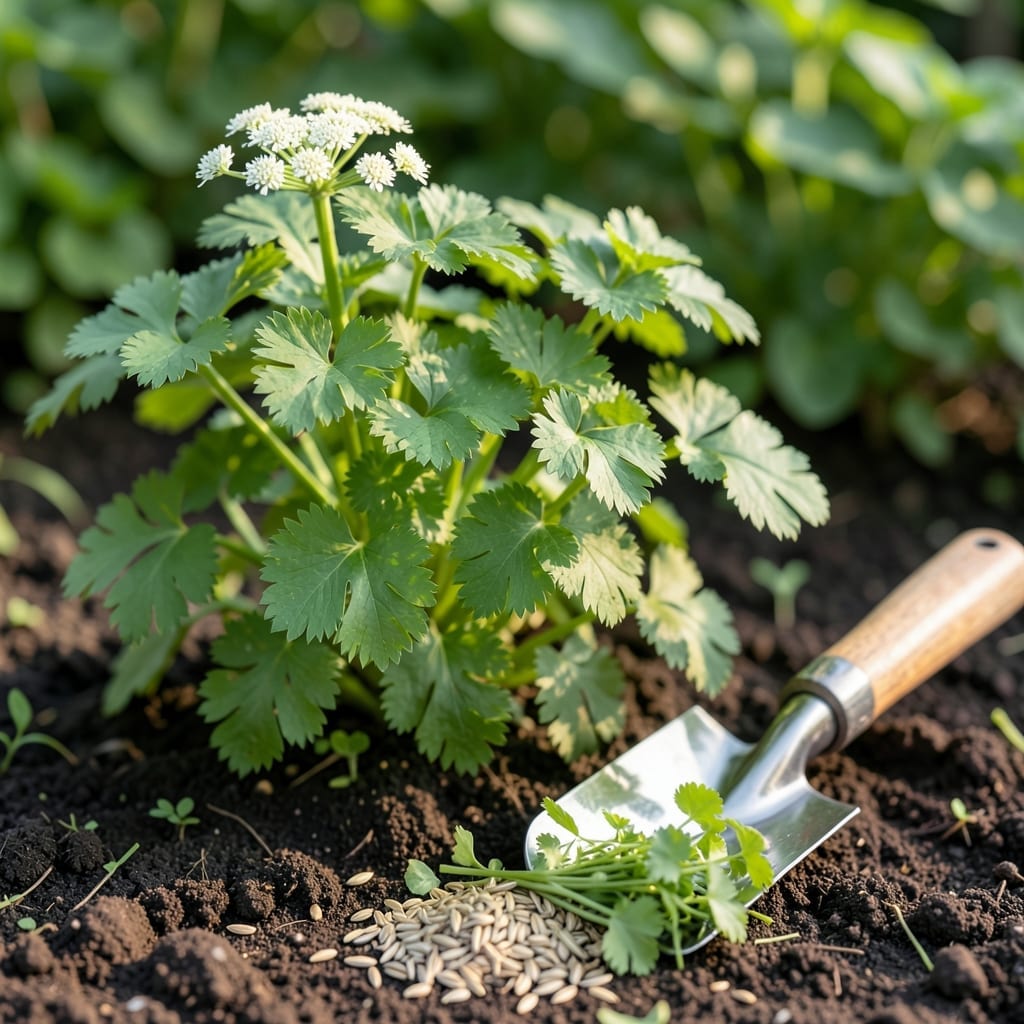
Cilantro thrives in Arizona’s unique climate, but timing is everything to prevent bolting and ensure a bountiful harvest. I’ve learned the hard way that planting at the wrong time can leave you with bitter, flowery stems instead of those fresh, flavorful leaves.
The 🌿 herb loves cooler weather, making fall and early spring the best windows for success. Whether you’re in the low desert or high country, getting the timing right means the difference between a thriving garden and a disappointing one.
I’ll share the exact months that work best for Zone 9b, along with tips to extend your harvest. You’ll be surprised how a little planning can transform your cilantro game.
Discover how to keep your plants productive longer—even as the temperatures start to rise. Let’s dig in.
Timing your cilantro planting in Arizona is crucial to avoid premature bolting. The state’s diverse climate zones mean what works in Phoenix won’t always suit Flagstaff. I’ve found success by aligning planting with cooler months. Fall and winter are ideal for most regions.
In low desert areas like Tucson and Phoenix, September through March offers the best window. The milder temperatures prevent the herb from bolting too quickly. Higher elevations can start a bit later, but frost dates matter. Arizona’s USDA zones range from 4b to 10b.
| Region | Best Planting Months | Temperature Threshold | Frost Considerations |
|---|---|---|---|
| Low Desert (Phoenix, Tucson) | September – March | Below 85°F | Light frost possible in December-January |
| Intermediate (Prescott, Payson) | August – October, April | Below 80°F | First frost October-November |
| High Desert (Flagstaff, Sedona) | May – July | Below 75°F | Frost possible year-round |
For low desert gardeners, I recommend starting seeds in late September for a fall harvest. This avoids the intense summer heat that causes bolting. Succession planting every 3-4 weeks ensures a continuous supply.
In intermediate zones, the planting window shifts slightly. August and April are prime times. The key is to avoid periods when temperatures consistently exceed 80°F. I’ve seen cilantro thrive in these areas with proper timing. Shade cloth can help extend the season.
The high desert presents unique challenges. Here, May to July works best, as temperatures stay cooler longer. However, frost protection is often necessary. I use row covers to shield young plants from unexpected cold snaps.
Soil preparation is another critical factor. Well-draining soil with plenty of organic matter gives cilantro the best start. I always amend my beds with compost before planting. This improves both moisture retention and nutrient availability.
Remember that cilantro varieties can affect your success. Some, like Slow Bolt or Calypso, are bred to resist bolting. These are excellent choices for Arizona’s climate. I’ve had great results with these varieties in my own garden. Experiment to find what works best for your specific conditions.
Finally, monitor soil temperature. Cilantro seeds germinate best when soil is between 55°F and 68°F. In Arizona, this often means waiting until fall or early spring to plant. A soil thermometer is an invaluable tool for precision.
With these timing strategies, you’ll maximize your cilantro yield and enjoy fresh herbs throughout Arizona’s growing seasons. 🌱
Extending your cilantro harvest in Arizona requires strategy. I’ve found that succession planting is the most effective method. By sowing new seeds every 3-4 weeks, you create a continuous supply of fresh leaves.
Using shade cloth can make a significant difference. I recommend 30-50% shade during the hottest parts of the day. This simple addition can delay bolting by several weeks, giving you more time to enjoy your crop.
✅ Top Strategies for Longer Harvests
Choosing bolt-resistant cilantro varieties is another smart move. I’ve had excellent results with Slow Bolt and Calypso. These types are specifically bred to withstand warmer temperatures without flowering prematurely.
Proper watering techniques are crucial for extending your harvest. I water my cilantro deeply in the early morning, allowing the soil to dry slightly between waterings. This prevents both under-watering and over-watering, which can stress the plants.
Mulching is an often-overlooked technique that can help. I apply a 2-3 inch layer of organic mulch around my cilantro plants. This keeps the soil temperature more consistent and reduces moisture loss through evaporation.
Finally, don’t forget to harvest regularly. I pick leaves when the plant is about 6 inches tall, always removing no more than one-third of the foliage at a time. This encourages bushier growth and delays flowering. With these techniques, you can enjoy fresh cilantro for weeks longer than with a single planting. 🌿