
Beautiful Plants For Your Interior
Beautiful Plants For Your Interior
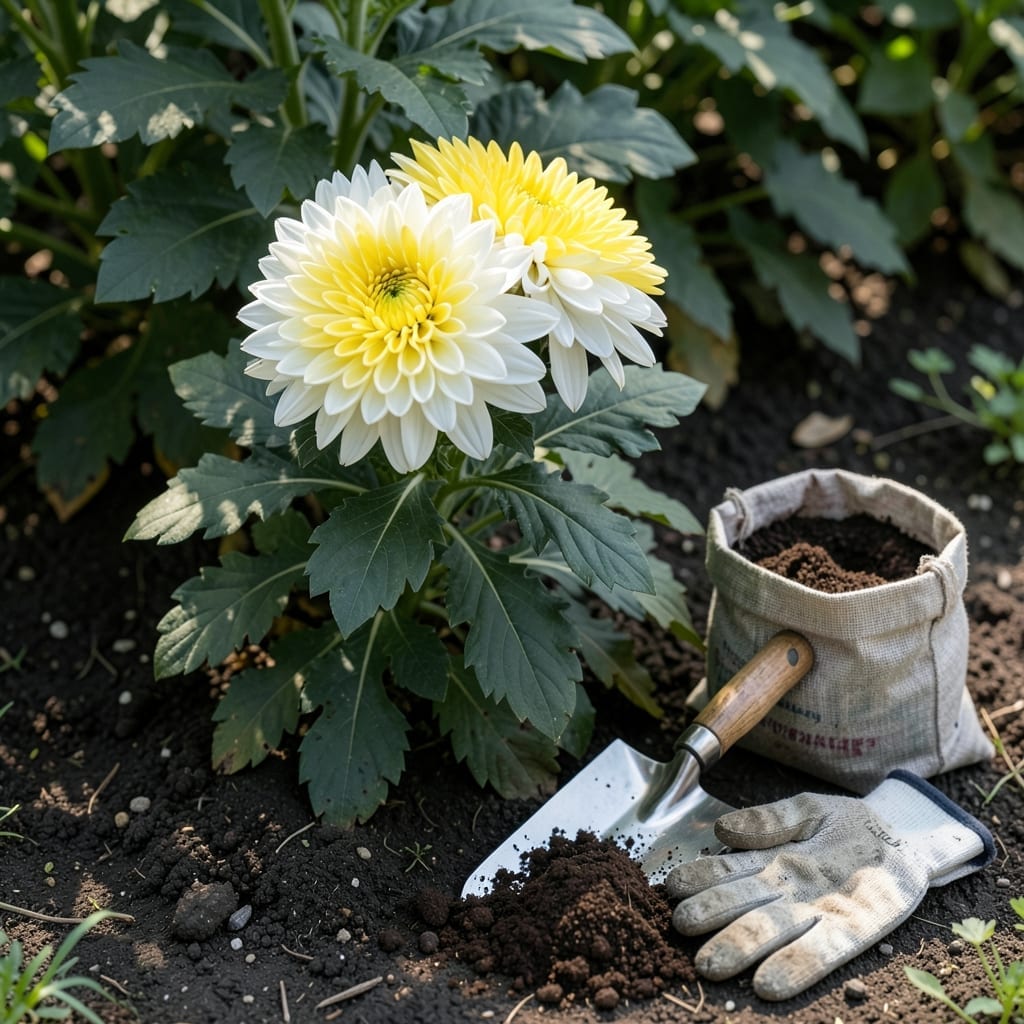
Timing is everything when planting Chrysanthemums in the fall. Plant too early, and they may wilt in summer heat. Plant too late, and winter frost could kill them before they establish roots.
I’ve seen gardeners struggle with getting their 🌼 Chrysanthemums to thrive. The key is finding that sweet spot where the soil is still warm enough for root growth but cool enough to prevent stress.
In Zone 6a, this window typically opens in early fall. It’s all about giving your plants enough time to settle in before the first hard frost hits.
Discover the exact timing and techniques to ensure your Chrysanthemums not only survive but burst into vibrant color next season.
Timing your chrysanthemum planting in fall depends heavily on your USDA hardiness zone. The goal is to give roots 6-8 weeks to establish before the first frost hits.
In cooler zones like 3-5, aim for late August to early September. Warmer zones like 7-9 can plant as late as mid-October without risk.
| Zone | Planting Window | First Frost Date |
|---|---|---|
| 3-4 | Late August to early September | October 1 |
| 5-6 | Early September to mid-September | October 15 |
| 7-8 | Mid-September to early October | November 1 |
| 9 | Early October to mid-October | November 15 |
For zone 3-4 gardeners, the window is tight. I recommend planting by September 1 to avoid early frosts that can stunt root growth.
In zone 5-6, you have more flexibility. Mid-September is ideal, as soil stays warm longer, aiding root establishment before winter dormancy.
Zone 7-8 allows planting into October. The milder fall means soil temperatures stay above 50°F, perfect for chrysanthemum roots to grow.
If you’re in zone 9, you can plant even in mid-October, but watch for unseasonal heatwaves that might stress new plantings.
Always check your local frost dates. I use the USDA Plant Hardiness Zone Map and adjust for microclimates in my garden.
Remember, container-grown mums from nurseries often need extra protection if planted late. I add mulch to insulate roots.
For best results, test soil temperature with a thermometer. Chrysanthemums need soil above 55°F for active root growth before winter.
Finally, water deeply after planting and monitor moisture closely. Fall rains can be unpredictable, so I supplement with drip irrigation if needed.
Planting chrysanthemums in fall gives them a head start for next year’s blooms. I always aim for 6-8 weeks before the first frost to let roots establish. This timing avoids summer stress and winter kill.
The key is soil preparation. I loosen the soil to 12 inches deep and mix in compost for drainage. Chrysanthemums hate soggy roots, so well-draining soil is non-negotiable.
I’ve learned mulching is crucial in fall. A 2-3 inch layer of straw or leaves protects roots from freezing. Just keep it loose to prevent rot.
Watering deeply once after planting helps settle the soil. Then I water weekly unless rain does the job. Overwatering is a common mistake—chrysanthemums prefer moist but not soggy conditions.
One mistake I see often is planting too shallow. The crown should be 1 inch below soil level. This protects it from winter heaving and encourages strong root growth.
Finally, resist the urge to fertilize in fall. New plants need to focus on root growth, not foliage. I wait until spring for that first feeding.