
Beautiful Plants For Your Interior
Beautiful Plants For Your Interior
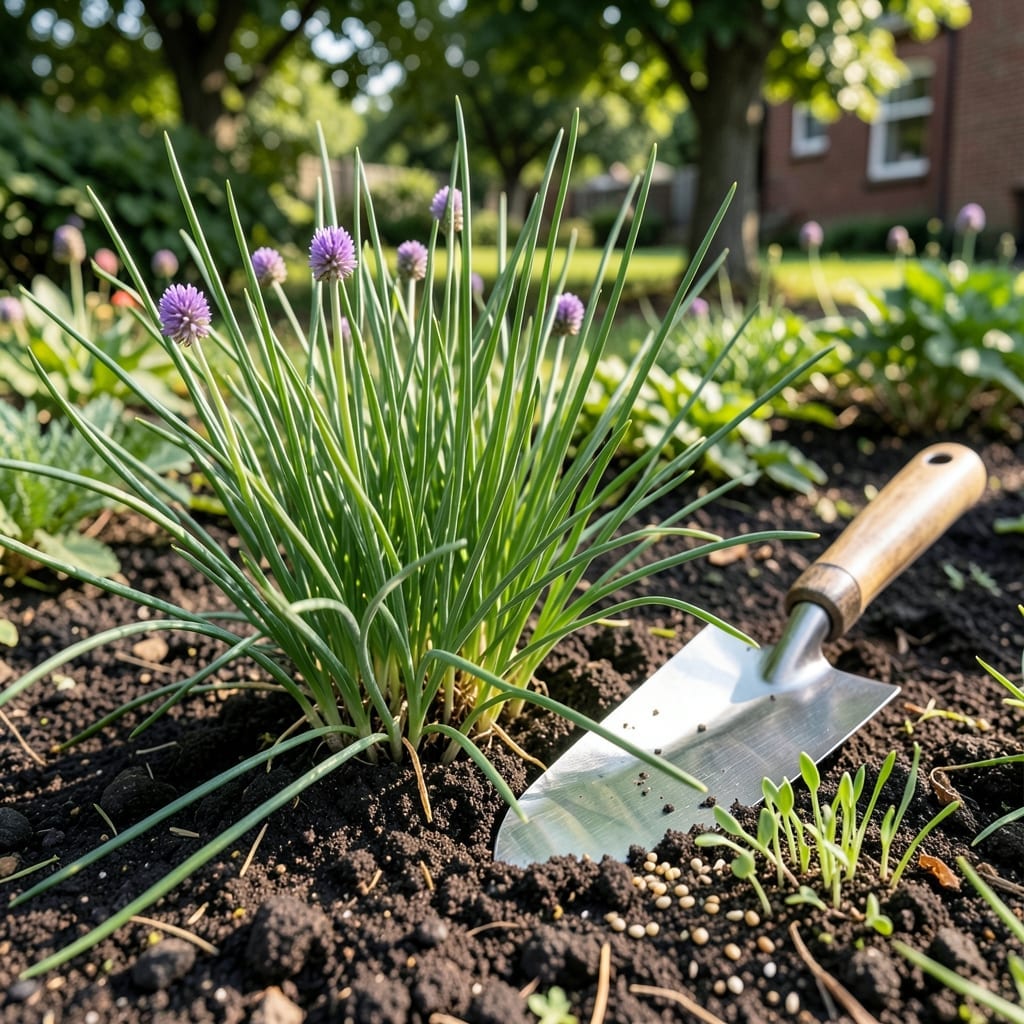
Timing is everything when it comes to growing Chives 🌿 in Texas. Plant too early or too late, and you might miss the window for a thriving harvest.
This resilient herb is a must-have for any Lone Star garden, but its success hinges on getting the seasons right. Whether you’re in 8a-9b zones, nailing the timing is the key.
I’ve tested different planting windows, and what I’ve learned will help you avoid common pitfalls. From frost dates to heat tolerance, there’s a perfect moment to start.
Let me guide you through when to plant for the best results. You’ll discover how simple it can be to grow vibrant Chives in your Texas garden.
Texas gardeners know that timing can make or break a chive crop. The Lone Star State’s diverse climate zones mean planting windows vary significantly from north to south.
In North Texas (Zone 8a), I’ve found the best windows are February to April for spring and September to October for fall planting. The last frost typically hits around March 15, so aim to plant 4-6 weeks before this date.
| Region | Spring Planting | Fall Planting | Key Consideration |
|---|---|---|---|
| North Texas | Feb-Apr | Sep-Oct | Last frost: March 15 |
| Central Texas | Feb-Mar | Sep-Oct | Hot summers |
| South Texas | Jan-Feb | Oct-Nov | Mild winters |
| Coastal Texas | Feb-Mar | Oct-Nov | High humidity |
Central Texas (Zone 8b) has a slightly earlier spring window. I recommend planting in February to March to avoid the intense summer heat. Fall planting remains ideal in September to October.
For South Texas (Zone 9a), the mild winters allow for January to February spring planting. In fall, October to November works well, but watch for unexpected early frosts in November.
Coastal Texas (Zone 9b) benefits from maritime influences. Here, February to March and October to November are optimal. The high humidity means good drainage is non-negotiable to prevent root rot.
In all regions, soil temperature should be at least 45°F for seeds to germinate. I’ve had the best luck when daytime temps consistently hit 60-70°F. Chives are cold-hardy, but young plants need protection from hard freezes.
For fall planting, get seeds in the ground 6-8 weeks before your area’s first frost. In most of Texas, this means mid-November, but coastal areas may push this to early December.
Remember, chives are perennial in most Texas zones. Once established, they’ll come back year after year with minimal care. The first year focuses on root establishment, so don’t expect heavy harvests immediately.
If you’re starting from divided clumps rather than seeds, you can plant anytime during the growing season, but spring and fall still offer the best conditions for success 🌱
Growing chives in Texas starts with the right soil preparation. I always begin by choosing a spot with well-draining soil and full sun to partial shade. These herbs thrive when they get 4-6 hours of sunlight daily.
Before planting, I loosen the soil to about 12 inches deep and mix in compost or organic matter. This improves drainage and provides the nutrients chives need to establish strong roots. Texas soils can be heavy, so this step is non-negotiable 🌱
When planting, I place seeds about ¼ inch deep and 12 inches apart. If you’re using transplants or divided clumps, space them 12-18 inches apart. This gives each plant enough room to grow to its mature size of 1-2 feet.
Watering is key during the first few weeks. I keep the soil consistently moist but not soggy. Once established, chives are drought-tolerant, but I still water weekly during Texas summers. Morning watering helps prevent fungal diseases in our humid climate.
For fertilizing, I use a balanced 10-10-10 fertilizer every 4-6 weeks during the growing season. A light feeding in early spring encourages new growth, while a summer application helps maintain vigor during heat waves.
Chives are low-maintenance, but I find they benefit from a 2-inch layer of mulch. This helps retain moisture, suppresses weeds, and keeps the soil temperature more consistent. In Texas, where temps can swing wildly, this makes a big difference 🌿