
Beautiful Plants For Your Interior
Beautiful Plants For Your Interior
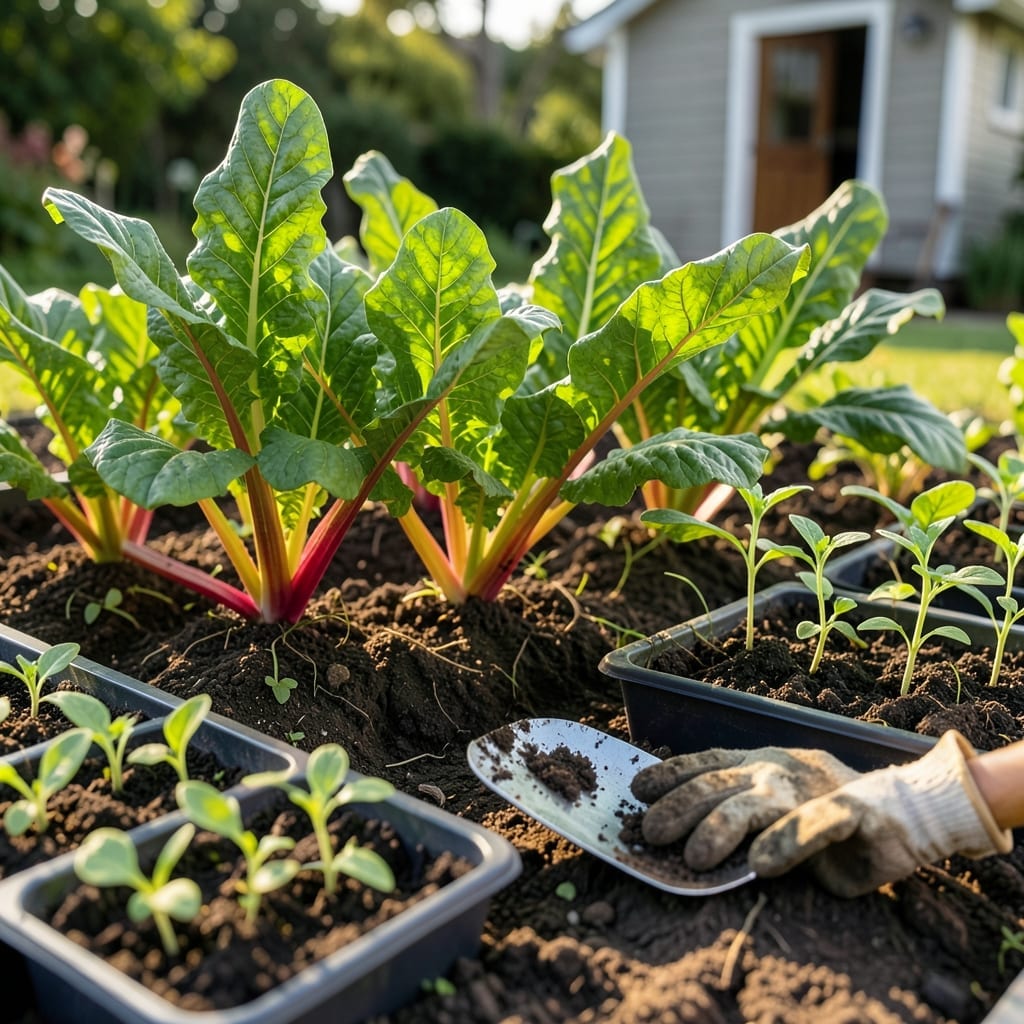
Timing is everything when it comes to planting Chard 🥬, a cool-season leafy green that thrives with the right seasonal strategy.
Plant too early or too late, and you risk stunted growth or bolted leaves. In zone 6, getting the schedule right means the difference between a mediocre harvest and a bumper crop.
Discover the precise windows for spring and fall planting that will give your Chard the best chance to flourish. Let me show you exactly when to start.
I’ve found Chard is a forgiving cool-season crop, but timing your planting is key to avoiding bolted leaves or stunted growth. It thrives in moderate temperatures and can handle light frosts.
In most regions, you can plant Chard in both early spring and late summer for a fall harvest. The trick is aligning your schedule with last and first frost dates.
| USDA Zone | Spring Planting | Fall Planting |
|---|---|---|
| Zones 3-4 | April – May | July – August |
| Zones 5-6 | March – April | August – September |
| Zones 7-8 | February – March | September – October |
| Zones 9-10 | October – November | January – February |
For spring planting, aim to sow seeds 2-3 weeks before your last frost date. In Zone 6, that’s typically early April for a head start.
Fall planting requires counting backward from your first frost date. I plant 6-8 weeks prior to ensure mature plants before cold sets in. In Zone 6, that’s around mid-August.
Soil temperature is another critical factor. Chard seeds germinate best in 50-85°F soil. Use a soil thermometer to check conditions before sowing.
In warmer zones like 9-10, Chard can be grown as a winter crop. The cooler temperatures prevent bolting and produce sweeter leaves.
For cold climates, start seeds indoors 4-6 weeks before transplanting outside. This gives you a jump on the growing season.
I always recommend succession planting every 2-3 weeks for a continuous harvest. This works especially well in mild climates where Chard can grow year-round.
Remember, Chard is frost-tolerant, but extreme cold will damage leaves. Use row covers to extend your harvest into early winter in most zones 🌱
I love using succession planting to keep my Chard harvest going strong. This simple technique ensures I always have fresh leaves ready to pick.
Instead of planting all your seeds at once, sow a new batch every 2-3 weeks. This staggered approach prevents the feast-or-famine cycle many gardeners experience.
For spring succession, start your first batch 2-3 weeks before your last frost date. Then plant another round every 2-3 weeks until temperatures rise above 75°F.
In fall, begin your first planting about 8 weeks before your first expected frost. Follow up with a second planting 3 weeks later for an extended harvest.
I find Chard grows especially well with this method in mild climates where it can thrive nearly year-round. Even in colder zones, you can often get two plantings per season.
🌱