
Beautiful Plants For Your Interior
Beautiful Plants For Your Interior
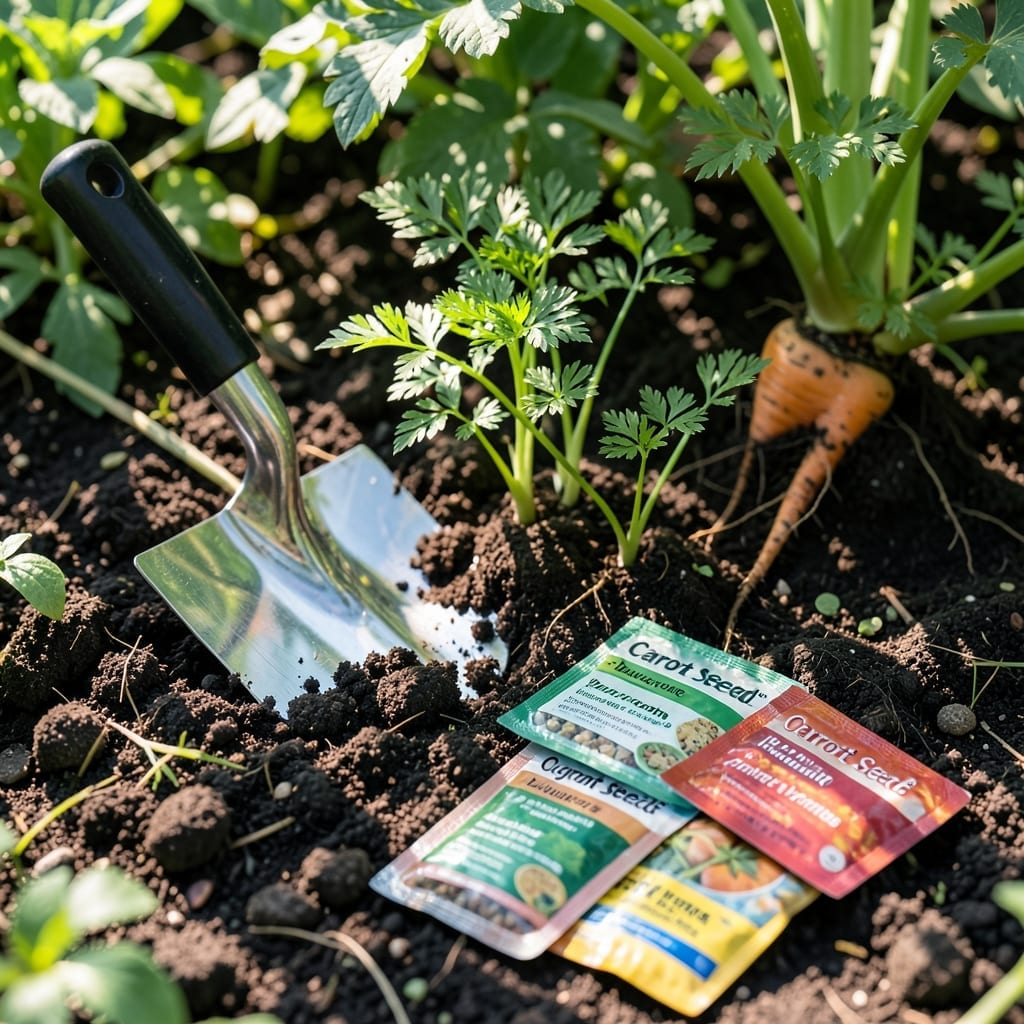
Timing is everything when it comes to growing Vegetables 🥕. Plant too early or too late, and you risk poor yields—or worse, no harvest at all.
I’ve learned the hard way that knowing when to get seeds in the ground makes all the difference. Whether you’re in zone 6 or just starting out, getting this right can transform your garden.
This seasonal planting calendar helps you maximize growth and avoid common mistakes. From cool-season crops to warm-weather favorites, I’ll show you the best windows for success.
Discover how to align your planting with nature’s rhythm for bountiful harvests from June to October.
Getting your planting timing right can make or break your vegetable garden. I’ve seen many gardeners struggle with poor yields simply because they planted cool-season crops in summer heat or warm-season favorites too early in spring.
Understanding the difference between cool-season and warm-season vegetables is key. Cool crops like lettuce and peas thrive in 50-70°F soil, while warm crops like tomatoes and peppers need 70-80°F soil to flourish. ✂️
For USDA Zone 6, I start cool-season crops like spinach and kale in early March, about 4-6 weeks before the last frost date. These plants can handle light frosts and even taste sweeter after a chill.
Warm-season crops like beans and corn go in after the last frost, typically mid-April in my area. I always check the soil temperature with a thermometer—it’s the most reliable way to know if conditions are right.
In hotter zones, like Zone 9, you can plant warm-season crops as early as February. But in cooler zones, like Zone 4, you might need to wait until late May or use row covers for protection.
Don’t forget about succession planting. For fast-growing crops like radishes and bush beans, I plant a new batch every 2-3 weeks to extend the harvest. This keeps my garden productive all season long. 🌱
Another tip: soil preparation matters just as much as timing. I amend my beds with compost before planting and ensure the soil is well-draining. Vegetables like carrots and beets need loose soil to grow properly.
If you’re unsure about your last frost date, check with your local cooperative extension office. They often provide hyper-local advice tailored to your area’s microclimate. I’ve found their recommendations to be spot-on for my garden.
Finally, keep a garden journal to track what works. Note when you planted, the weather conditions, and how the plants performed. Over time, you’ll develop a custom planting calendar that’s perfect for your space. 🌿
Getting your planting timing right can make or break your vegetable garden. I’ve learned that USDA hardiness zones and local frost dates are the best guides for success.
In cooler zones, you’ll start peas and spinach earlier, while warm zones allow for longer growing seasons for tomatoes and peppers. Adjusting for microclimates is key too.
| Vegetable | Zone 5 | Zone 7 | Zone 9 |
|---|---|---|---|
| Tomatoes | May | April | March |
| Peppers | May | April | February |
| Lettuce | April | March | January |
| Cucumbers | May | April | March |
For early frosts, I always use row covers to protect tender seedlings. In Zone 5, my tomatoes go in after the last frost, usually mid-May.
In Zone 7, you can start warm-season crops like peppers and eggplants as early as April. But watch for late cold snaps that can stunt growth.
Zone 9 gardeners have it easier with year-round planting options. I’ve seen lettuce thrive even in winter, but heat-tolerant varieties are a must for summer.
Always check your local weather and soil temperature. I use a soil thermometer to ensure it’s at least 60°F for warm-season crops like cucumbers and squash. ☀️