
Beautiful Plants For Your Interior
Beautiful Plants For Your Interior
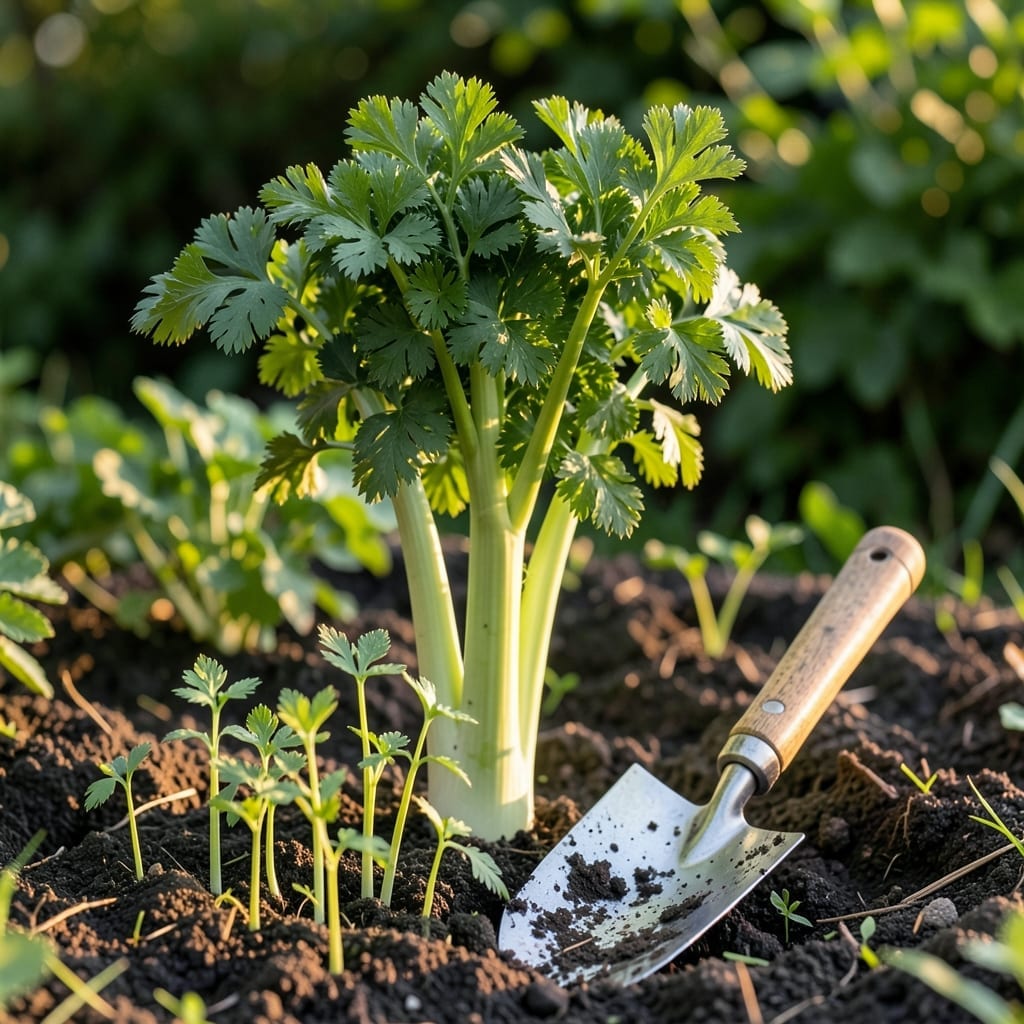
Celery thrives in cool weather, making timing everything for Florida gardeners who want crisp, flavorful stalks. Plant too late, and the heat can turn your crop bitter or bolt early.
In 8b-10a, getting the schedule right means the difference between a bountiful harvest and a disappointing one. I’ve seen firsthand how proper timing transforms a struggling patch into a lush, productive bed.
With the 🥬 plant’s preference for cooler temperatures, Florida’s mild winters offer a unique advantage. You’ll need to align your planting with the fall window to avoid the summer scorch.
Discover how to leverage these conditions for the best results, ensuring your Celery grows strong and flavorful from the start.
Florida’s unique climate gives gardeners a longer cool season than most states, but timing is still critical for celery. This cool-weather crop thrives when soil temps hit 50-70°F, which varies across the state’s regions.
In North Florida, you’ll want to plant September through February, avoiding hard freezes. Central Florida offers a slightly wider window, while South Florida can push planting into late August or early March with protection.
| Region | Best Months | Soil Temp | Notes |
|---|---|---|---|
| North Florida | September–February | 50–70°F | Avoid hard freezes; use row covers |
| Central Florida | October–March | 55–70°F | Ideal for succession planting |
| South Florida | August–March | 60–75°F | Use shade cloth in late season |
North Florida’s USDA Zones 8a-8b experience occasional light frosts, so I recommend starting celery seeds indoors in July or August for fall transplanting.
For Central Florida (Zones 9a-9b), direct sowing works well in October when nighttime temps drop below 70°F. This region’s mild winters allow for extended harvests into spring.
South Florida’s Zones 10a-10b rarely see frost, but heat is the enemy. Plant in August or September to mature before temperatures climb above 80°F.
I’ve found that soil preparation is just as important as timing. Celery needs rich, moist soil with plenty of organic matter. Work in compost or aged manure before planting.
Soil temperature is a key factor many overlook. Use a soil thermometer to confirm temps are in the 50-70°F range before planting. In South Florida, you might need to pre-cool soil with shade cloth.
For best results, choose heat-tolerant varieties like ‘Utah Tall’ or ‘Tall Utah Improved’. These handle Florida’s temperature swings better than standard types.
Remember that celery is a slow grower, taking 100-140 days to mature. Plan accordingly to ensure your crop matures during the coolest months of the year. 🌱
Florida’s heat can cut celery’s season short, but with smart strategies, I keep my crop thriving. Shade cloth is my go-to tool for blocking intense afternoon sun and preventing bolting. Mulching heavily also helps maintain cooler soil temperatures.
I’ve found that succession planting every 3-4 weeks ensures a continuous harvest. For best results, I choose heat-tolerant varieties like ‘Utah Tall’ or ‘Tall Utah Improved’ and keep the soil consistently moist.
I always monitor soil moisture closely, as celery needs consistent watering to stay crisp. Drip irrigation works best to deliver water directly to the roots without wetting the foliage, which can invite disease.
In Central Florida, I start seeds indoors in August for transplanting in September. This timing helps my celery establish before the worst heat arrives, giving it a head start for cooler months.
For South Florida gardeners, the window is even wider. I’ve had success planting as late as October for a winter harvest, thanks to the region’s milder climate and longer growing season.
Don’t forget to fertilize lightly every 4-6 weeks with a balanced 5-10-10 formula. This keeps my celery plants nourished without encouraging excessive leafy growth at the expense of stalks.
With these adjustments, I’ve extended my celery harvest well into late spring, even as temperatures begin to rise ☀️🌱