
Beautiful Plants For Your Interior
Beautiful Plants For Your Interior
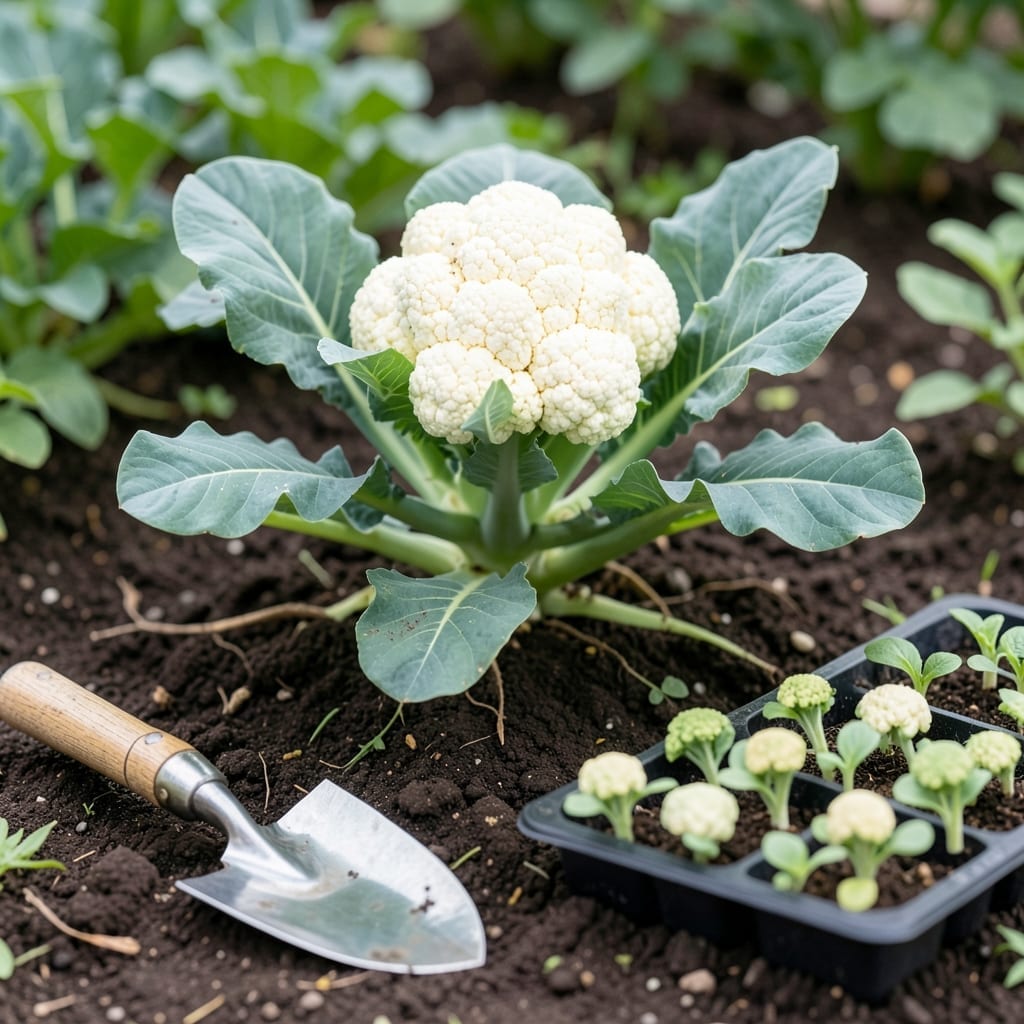
Timing is everything when growing Cauliflower in Pennsylvania’s unpredictable climate. Plant too early or too late, and you risk stunted heads or bolted plants that never mature.
I’ve learned the hard way that this cool-season crop thrives in specific windows. Pennsylvania’s 6a-7b zones demand precision, whether you’re aiming for a spring or fall harvest.
The good news? There are two prime planting windows each year that can deliver crisp, homegrown 🥦 heads. Getting this right means the difference between success and disappointment.
Let me walk you through the exact timing and techniques I use to ensure a bountiful harvest, no matter which season you choose.
Pennsylvania’s USDA zones 4-7 create varied planting windows for cauliflower. In zone 6, where most of PA lies, I start seeds indoors 6-8 weeks before the last frost (typically April 15).
For fall planting, I count backward 10-12 weeks from the first frost (around October 15). This timing ensures mature heads before cold snaps hit.
| Zone | Spring Start | Fall Planting |
|---|---|---|
| 4-5 | March 1-15 | July 15-30 |
| 6-7 | February 15-March 1 | August 1-15 |
In cooler zone 4, I wait until mid-March to start seeds indoors. The shorter season means I choose early-maturing varieties like ‘Snowball Y’ for reliability.
For zone 7 gardeners, I recommend starting seeds as early as February 15. The warmer climate allows for a longer growing window, but I watch for heat waves that can stress plants.
I always check my local frost dates for precision. In Philadelphia (zone 7), I plant transplants outdoors around March 20 for spring and August 10 for fall.
In Pittsburgh (zone 6), I adjust to April 1 for spring and July 25 for fall. The elevation differences across PA can shift these dates by 1-2 weeks.
For succession planting, I sow a new batch every 2-3 weeks during the planting window. This extends my harvest season and ensures a steady supply of fresh heads.
I’ve found that soil temperature is critical. Cauliflower seeds germinate best at 70-80°F, so I use a heat mat indoors if my home is cooler.
Once transplanted, I ensure the soil stays moist but not waterlogged. Consistent watering prevents bitter heads and stunted growth. I aim for 1-2 inches per week.
I also protect young plants from late frosts with row covers or cloches. This extra care in PA’s unpredictable springs pays off with healthier plants and bigger yields 🌱
Pennsylvania gardeners have two distinct windows for growing cauliflower. Each season offers unique advantages and challenges that can make or break your harvest success.
Spring planting benefits from cooler temperatures that prevent bolting, while fall crops often face fewer pest pressures as summer bugs decline.
I’ve found that spring cauliflower tends to mature faster due to increasing daylight, but it requires precise timing to avoid frost damage to young plants.
Fall planting, on the other hand, demands early variety selection to ensure heads form before cold weather halts growth.
Both seasons require consistent moisture for tight head formation. I recommend using drip irrigation to keep foliage dry and prevent disease.
For spring, start seeds indoors 6-8 weeks before your last frost date. This gives seedlings a head start before transplanting into the garden.
Fall crops need to be direct sown or transplanted by mid-summer to reach maturity before the first frost. I always mark my calendar 10-12 weeks before that date.
Remember that succession planting can extend your harvest. Stagger plantings every 2-3 weeks for continuous fresh cauliflower through both seasons. ☀️