
Beautiful Plants For Your Interior
Beautiful Plants For Your Interior
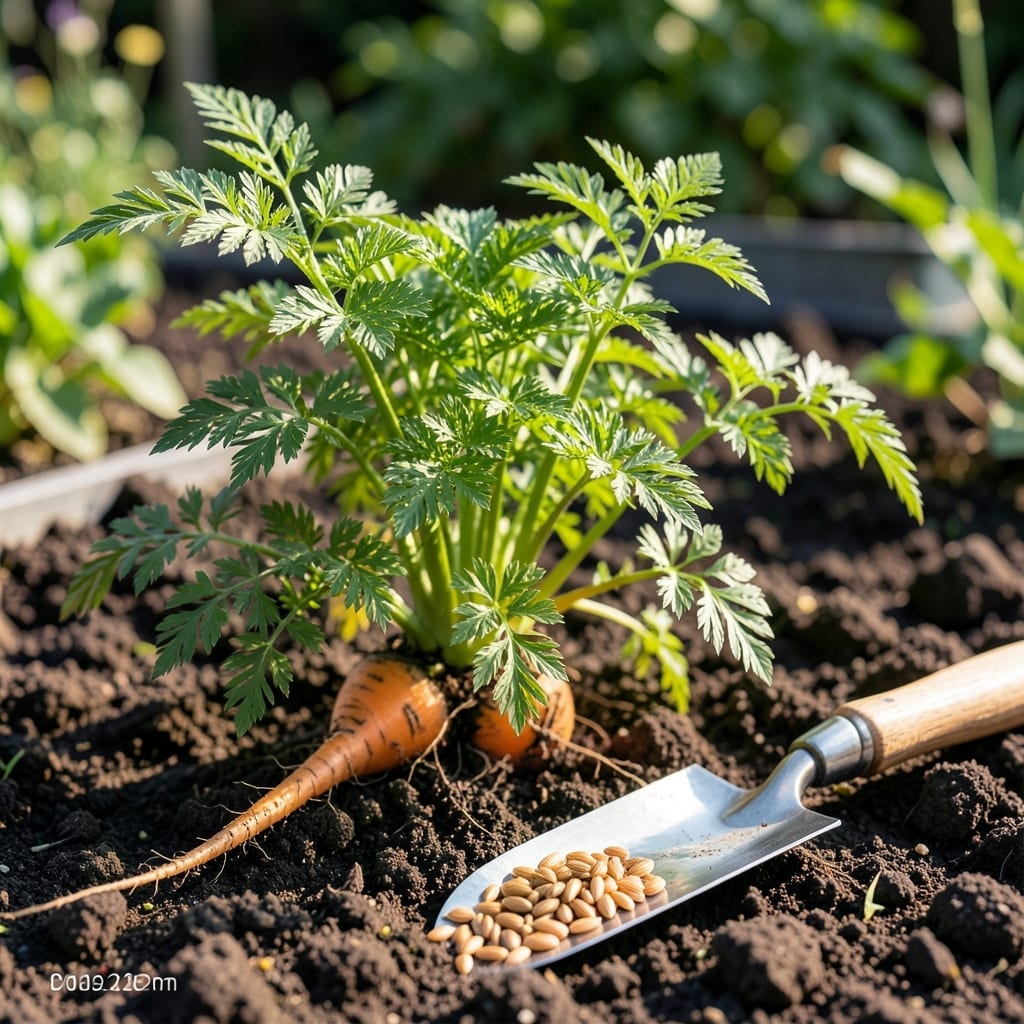
Timing is everything when planting Carrots in Vermont’s unpredictable climate. Get it right, and you’ll harvest sweet, crisp roots all season long.
The 4a zone presents unique challenges, but with the right approach, you can enjoy a bumper crop. I’ve learned the hard way that rushing the process leads to disappointment.
Whether you’re a seasoned gardener or just starting out, understanding Vermont’s planting windows is the key to success. The secret lies in working with nature’s schedule, not against it.
Let me walk you through exactly when to sow those Carrot seeds for the best results in your Vermont garden. You’ll be pulling up perfect roots before you know it.
Vermont spans USDA zones 3-5, meaning carrot planting windows vary by region. In zone 4 (most of Vermont), you’ll want to time your planting carefully to avoid frost damage and ensure proper germination.
The last spring frost typically hits around May 15, while the first fall frost arrives near October 5. These dates are critical for planning both your spring and fall carrot crops.
| Zone | Spring Planting | Fall Planting | Soil Temp |
|---|---|---|---|
| Zone 3 | Late May | Mid-July | 40-85°F |
| Zone 4 | Mid-April to May | Late July to Early August | 40-85°F |
| Zone 5 | Early April | Early August | 40-85°F |
For spring planting, I recommend sowing carrot seeds 2-4 weeks before the last frost date. This gives them time to germinate in cool soil without risking frost damage to young seedlings.
In zone 4, that means starting mid-April. The soil should be at least 40°F for germination, but 50-85°F is ideal for the best results. Use a soil thermometer to check conditions.
For a fall harvest, plant 10-12 weeks before the first frost. In most of Vermont, this means late July to early August. Fall carrots often taste sweeter due to cooler temperatures.
I always prepare my carrot beds with loose, stone-free soil to prevent forking. Carrots need deep, well-draining soil to grow straight and long. Mix in compost but avoid fresh manure, which can cause forking.
Succession planting extends your harvest. Sow a new batch every 2-3 weeks until mid-summer for continuous fresh carrots. This works especially well in zone 4’s moderate growing season.
Remember, carrot seeds are tiny and need consistent moisture to germinate. Keep the soil evenly damp (not soggy) for the first 2-3 weeks after planting. A light mulch helps retain moisture.
In my experience, Nantes and Danvers varieties do exceptionally well in Vermont’s climate. They mature in 60-70 days, perfect for our shorter growing season in cooler zones. 🌱
Vermont’s diverse microclimates can throw off even the most seasoned gardeners. I’ve found that elevation and proximity to Lake Champlain make a huge difference in planting schedules for carrots. ☀️
In high-elevation areas, spring arrives later, so I wait until late May to sow. Meanwhile, lake-adjacent gardens warm up faster, allowing early April planting with frost protection.
For succession planting, I sow a new row every 2-3 weeks from April to July. This ensures a continuous harvest and prevents gluts of mature carrots all at once.
Urban gardeners often have warmer soil due to pavement and buildings. I’ve had success planting as early as mid-March in Burlington with proper row covers. 🌱
Don’t forget fall planting! In most areas, sow by mid-July for a September harvest. In cooler pockets, aim for late June to beat the first frost.
Monitoring soil temperature is crucial. I use a simple thermometer to confirm 40°F minimum before planting. This small step prevents poor germination and weak seedlings. ✂️