
Beautiful Plants For Your Interior
Beautiful Plants For Your Interior
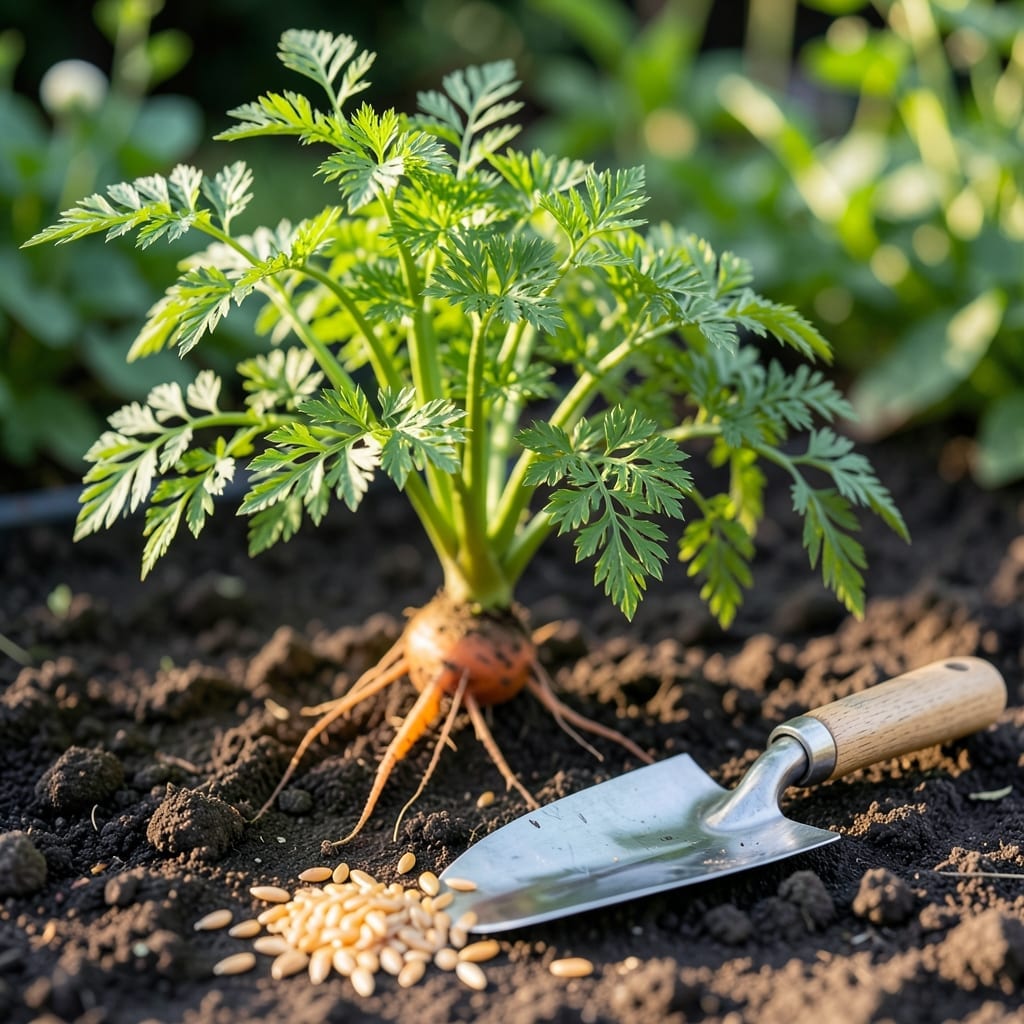
Timing is everything when it comes to growing sweet, crisp carrots in spring. Plant too early, and frost might ruin your crop. Wait too long, and summer heat can stunt their growth.
For most gardeners in zone 6, the magic window for planting 🥕 Carrot seeds is between March and April. This timing helps avoid both frost and heat stress, setting you up for a successful harvest.
But it’s not just about the calendar. Soil temperature and moisture play key roles too. I’ll show you how to read these signals and pick the perfect moment to start.
Get it right, and you’ll enjoy a bountiful harvest of homegrown carrots by early summer. Let’s dig into the details together.
I’ve found that carrot planting success hinges on timing it right for your USDA zone. In cooler zones like 1-3, wait until late spring when soil warms to 40°F to avoid frost damage. Zones 4-6 can start 2-4 weeks before the last frost. ☀️
For zones 7-9, early spring planting is ideal, as carrots tolerate light frosts. In warmer zones 10-13, plant in late winter or early spring to beat the heat. Soil temperature is key—aim for 40-85°F for best germination.
| Zone Range | Planting Window | Soil Temp |
|---|---|---|
| 1-3 | Late April – May | 40-50°F |
| 4-6 | March – Early April | 45-60°F |
| 7-9 | February – March | 50-70°F |
| 10-13 | January – February | 60-85°F |
In zone 6, I plant my carrots 2-4 weeks before the last frost date, usually around March 15. This gives them enough time to establish roots before summer heat. Succession planting every 2-3 weeks extends the harvest window. 🌱
For early varieties like ‘Nantes’, plant 3 weeks before the last frost. Late varieties such as ‘Danvers’ can go in 4-6 weeks before. Always check your local frost dates for precision.
I’ve noticed that soil moisture matters just as much as temperature. Carrot seeds need consistent moisture to germinate, so I water gently but frequently until sprouts appear. Dry soil can delay or prevent germination entirely. 💧
If your soil is heavy clay, amend it with compost or sand to improve drainage. Carrots struggle in compacted soil, leading to stunted or forked roots. I always loosen the soil to a depth of 12 inches before planting.
In warmer zones, avoid planting too late. Temperatures above 85°F can cause bitter-tasting carrots or poor germination. A shade cloth can help if you must plant in late spring.
For cold climates, consider using row covers to warm the soil. I’ve had success with black plastic mulch to absorb heat and speed up germination. Remove it once sprouts emerge to prevent overheating. ☀️
Remember, carrots are biennials, meaning they’ll flower in their second year if left in the ground. For the best spring harvest, pull them before the hot summer months set in. This keeps them sweet and tender.
While USDA zones give you a starting point, I’ve found that soil moisture and daylight hours often make the biggest difference in spring planting success.
Early varieties like Paris Market mature in 60 days, while Danvers may need 75 days. This affects when you should start.
Your local microclimate can create pockets of warmth or cold that differ from the general zone. I always check my garden’s specific conditions before planting.
Succession planting is my secret for continuous harvests. Plant a new row every 2 weeks until mid-spring for a steady supply.
Don’t forget that carrot rust flies are more active in warmer weather. Planting earlier can help avoid this pest pressure.
Finally, I recommend keeping a garden journal to track what works best in your specific conditions each year 🌱