
Beautiful Plants For Your Interior
Beautiful Plants For Your Interior
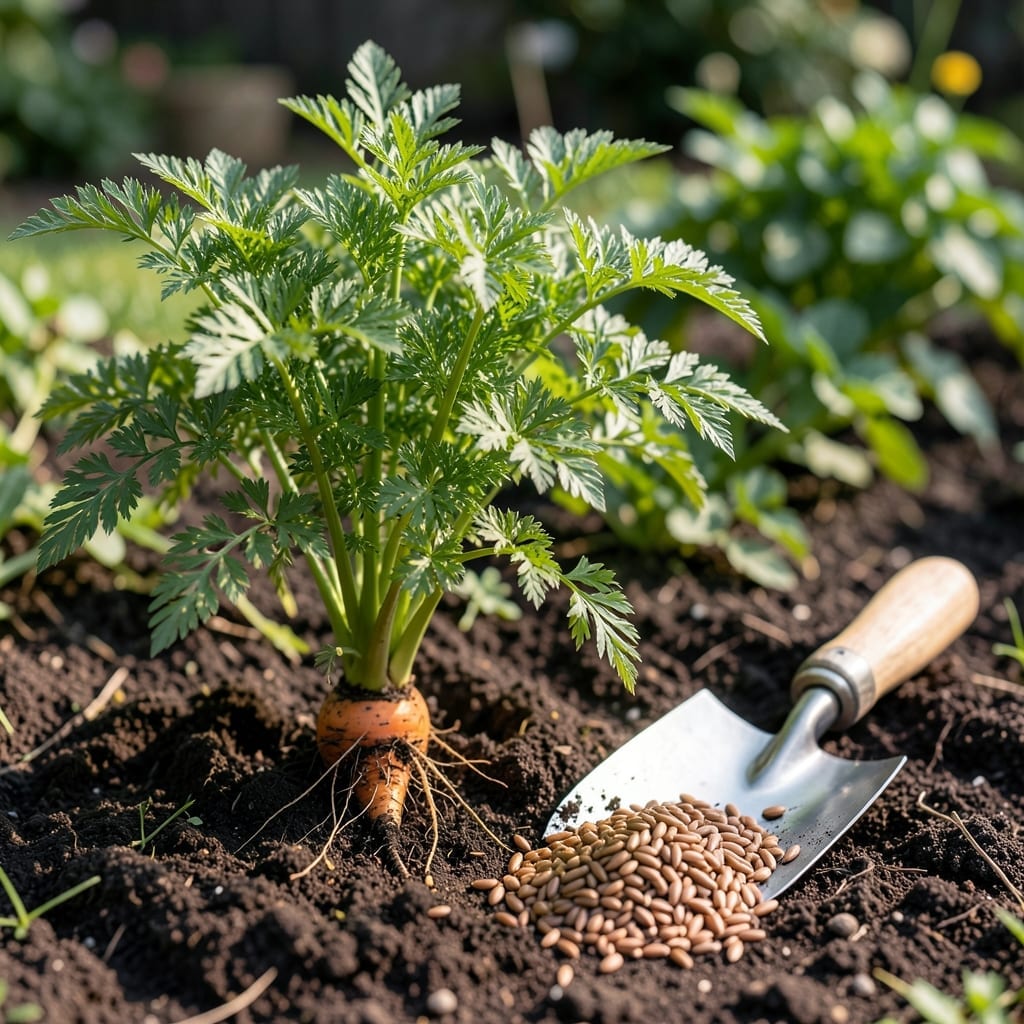
Timing is everything when growing Carrot 🥕 in Montana’s short, unpredictable seasons. Plant too early, and frost can ruin your crop; too late, and they won’t mature before winter hits.
Mastering the ideal window ensures sweet, crisp roots all season long. I’ve tested different approaches in zone 4a, and getting it right makes all the difference.
Whether you’re a new gardener or a seasoned pro, knowing when to start is the key. The right timing can turn a disappointing harvest into a bumper crop.
Discover how to align your planting with Montana’s climate for the best results. Let’s dig into the details that will set you up for success.
Montana’s diverse USDA zones 3-6 create unique challenges for carrot planting. The key is timing your sowing to avoid late frosts while ensuring full maturity before winter’s first freeze.
In western Montana (zones 4-5), the last frost typically hits around May 15, while eastern plains (zones 3-4) may see frosts as late as June 1. This variation demands tailored approaches.
| Region | USDA Zone | Planting Window | Last Frost Date |
|---|---|---|---|
| Western MT | 4-5 | April 15 – May 30 | May 15 |
| Eastern Plains | 3-4 | May 1 – June 10 | June 1 |
| High Elevation | 3 | May 20 – June 20 | June 10 |
| Urban Areas | 5-6 | April 1 – May 15 | May 1 |
For best results, wait until soil temperatures reach at least 45°F. Carrots germinate poorly in cold soil, and seeds may rot if sown too early in frozen ground.
In zone 3 areas like Glacier County, I recommend starting seeds indoors in peAT pots 2-3 weeks before transplanting. This gives them a head start in the short season.
For zone 6 regions near Billings, you can push the envelope with early April plantings under row covers. These protect young seedlings from late frosts while warming the soil.
Succession planting works well in Montana’s climate. I sow my first batch in early May, then another in early June for a continuous harvest through fall.
Remember that carrot varieties matter. For Montana, I prefer ‘Nantes’ (60 days) or ‘Danvers’ (70 days) as they mature quickly and tolerate cooler temperatures.
Always check your local microclimate conditions. Valley locations may have warmer soils earlier than hilltops, allowing for earlier planting by 1-2 weeks.
Finally, mark your first frost date (typically September 15 in most areas). Count backward 70-80 days from this date to determine your last safe planting window for main crop carrots. 🌱
While timing is crucial, I’ve found that soil preparation makes or breaks a carrot crop in Montana. The seeds need loose, rock-free soil to grow straight and long without forking.
I always till my beds deeply and mix in compost to improve drainage. Carrots hate compacted soil, so avoid stepping on the bed after planting.
For variety selection, I stick with quick-maturing types. ‘Nantes’ takes about 60 days, while ‘Danvers’ needs 70 days—both perfect for our short season.
Frost protection is non-negotiable in Montana. I use floating row covers to shield young plants from late spring frosts and extend the growing season by a few weeks.
Another tip: mulch heavily with straw to retain moisture and regulate soil temperature. This helps prevent cracking from uneven watering, which is common in our dry climate.
Finally, consistent watering is key. I water deeply once a week, ensuring the soil stays evenly moist but not soggy. This prevents bitter-tasting or split roots. 🌱