
Beautiful Plants For Your Interior
Beautiful Plants For Your Interior
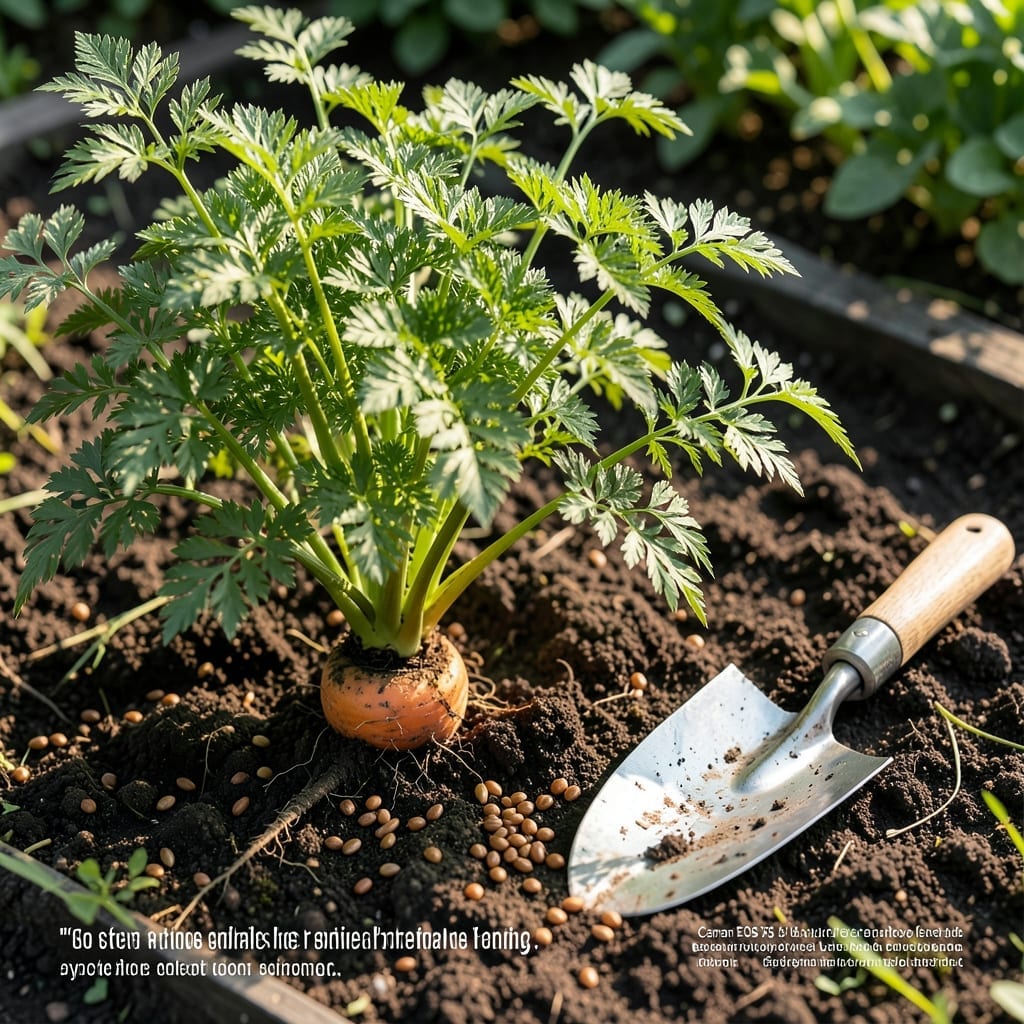
Timing is everything when growing Carrots in Kentucky’s unpredictable climate. Plant too early and frost may strike, too late and the summer heat can ruin your harvest.
I’ve learned that 60-85°F soil is the sweet spot for these cool-season favorites. In zone 6b, that means watching the calendar carefully.
Whether you’re in Louisville or rural Kentucky, the window is tighter than you might think. The difference between success and disappointment often comes down to just a few weeks.
Let me show you exactly when to get those 🥕 Carrot seeds in the ground for the best possible harvest in KY.
In Kentucky’s USDA Zone 6b, timing your carrot planting is critical. The last frost date is typically April 15, making early March to April ideal for spring sowing. This window avoids late frosts while ensuring soil temps reach 40-85°F for germination.
For a fall harvest, plant July through early August. This lets carrots mature before the first frost around October 15, giving you a second crop with sweeter roots thanks to cooler temps. 🌱
| Season | Planting Window | Harvest Time | Notes |
|---|---|---|---|
| Spring | March – April | June – July | Plant 2-4 weeks before last frost |
| Fall | July – August | October – November | Sweeter roots with cooler temps |
In eastern Kentucky, cooler elevations may delay planting by 1-2 weeks. Meanwhile, western KY often warms faster, allowing earlier sowing. Always check local soil temps—carrots won’t germinate below 40°F.
For Louisville and Lexington, aim for mid-March to early April for spring crops. These urban areas retain heat, so soil prep can start sooner. Rural areas should stick closer to late March to avoid frost risks.
If you’re new to gardening, start with short carrot varieties like ‘Paris Market’. They thrive in KY’s clay soil and mature faster, giving you flexibility if weather shifts unexpectedly.
Remember, consistent moisture is key during germination. Carrot seeds need 14-21 days to sprout, so keep the soil evenly damp but not soggy. A light mulch helps retain moisture and prevents crusting.
For fall planting, I recommend ‘Danvers’ or ‘Nantes’ varieties. They handle cooler temps well and store beautifully in the ground until harvest. Just be sure to mark your rows—carrot greens can blend into fall foliage.
If summer heat arrives early, use shade cloth to protect young seedlings. Carrots bolt in temps above 85°F, so a little shade can extend your growing window. Monitor weather forecasts closely in KY’s volatile climate.
Finally, succession planting works well in Kentucky. Sow a new batch every 2-3 weeks until mid-July for a continuous supply. This method ensures you’ll have fresh carrots all season long, despite any weather hiccups. 🌿
Beyond timing, soil preparation is critical for carrots in Kentucky. Our heavy clay soil needs amending with compost to prevent stunted growth and misshapen roots.
I always recommend raised beds or loose, well-draining soil to give carrots room to grow straight and long. This is especially important in eastern KY where clay is more prevalent.
Variety selection matters in Kentucky. I’ve found Nantes and Danvers do well in our clay, while Imperator types need deeper, looser soil to thrive.
For moisture management, aim for 1 inch of water weekly. Kentucky’s humid summers can lead to fungal issues, so morning watering helps prevent disease.
Pest prevention is another key factor. Carrot rust flies are a common issue in KY. I use row covers early in the season to protect my crop.
Finally, don’t forget about weed control. Carrots grow slowly, so consistent weeding is essential to prevent competition for nutrients and space.
With these factors in mind, you’ll set your KY carrot crop up for success from the start 🌱