
Beautiful Plants For Your Interior
Beautiful Plants For Your Interior
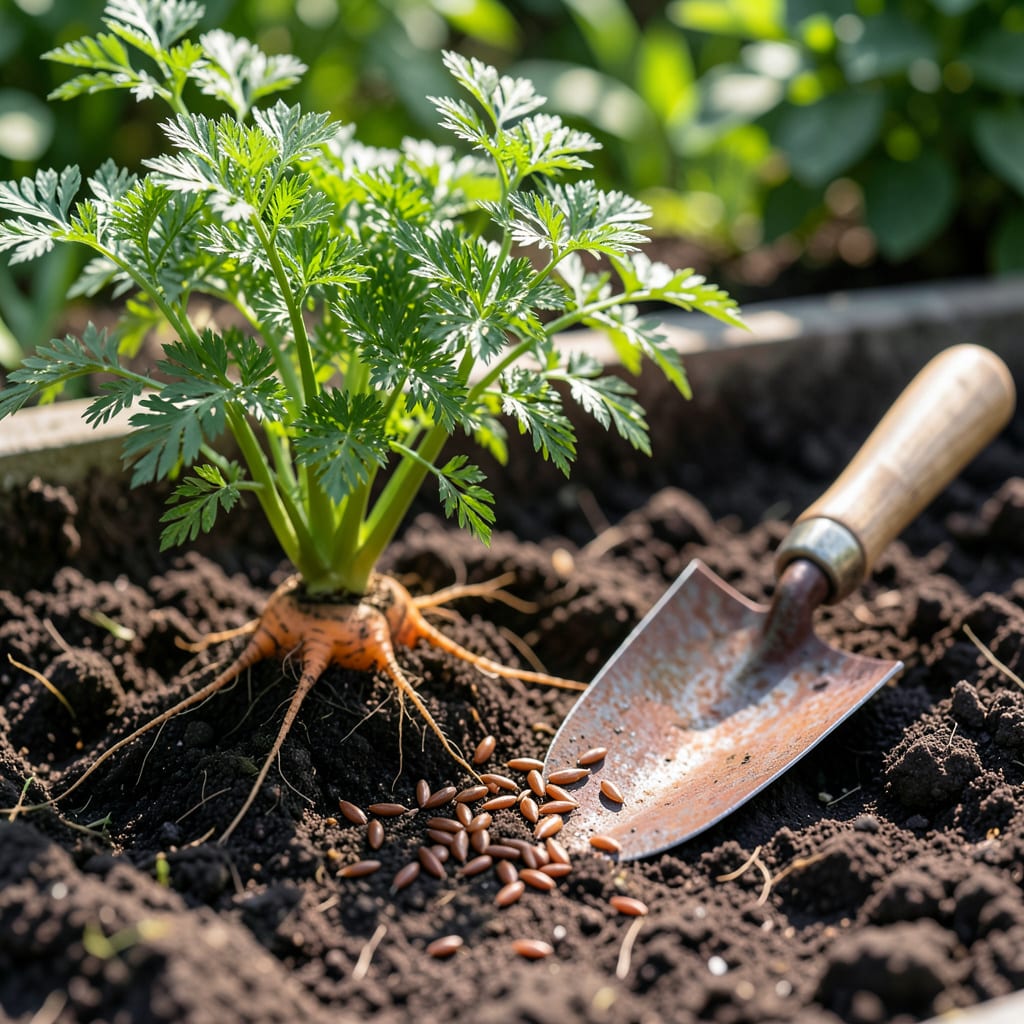
Timing is everything when growing sweet, crisp 🥕 for a fall harvest. Plant too early or too late, and you risk stunted growth or frost damage.
I’ll show you the optimal window to sow Carrot seeds so they mature perfectly before the first frost. Get ready for your best autumn crop yet.

Getting the timing right for fall carrots means working backward from your first frost date. I always count 10-12 weeks before the first expected frost to determine the ideal sowing window.
This gives the roots enough time to mature fully while avoiding damage from early cold snaps. Different USDA zones have varying frost dates, so your planting window will shift accordingly.
| USDA Zone | Planting Window | Frost Date |
|---|---|---|
| Zones 3-4 | Mid-June to early July | Sept 15 – Oct 1 |
| Zones 5-6 | Early July to mid-July | Oct 15 – Oct 30 |
| Zones 7-8 | Late July to early August | Nov 1 – Nov 15 |
| Zones 9-10 | Late August to early September | Nov 30 – Dec 15 |
For Zones 3-4, the short growing season means you need to plant by early July at the latest. These areas experience frost earlier, so every day counts for root development.
In Zones 5-6, you have a bit more flexibility with planting from early to mid-July. The moderate fall weather in these regions often produces some of the sweetest carrots.
Gardeners in Zones 7-8 can plant as late as early August. The longer fall season allows for extended growth, but watch for unexpected early frosts.
For Zones 9-10, you can plant through early September. These warmer climates may even allow for a winter harvest with proper protection from extreme cold.
Remember that carrot varieties have different days to maturity. Shorter varieties like ‘Paris Market’ may need only 60 days, while longer types like ‘Danvers’ can take 80-90 days. 🌱
Always check your local weather patterns and adjust planting times if you’re experiencing an unusually warm or cool season. Soil temperature should be at least 45°F for germination.
I’ve found that keeping a garden journal with planting dates and first frost observations helps refine my timing each year for the best possible harvest. 🌿
Calculating the latest safe sowing date for fall carrots requires knowing your first frost date and the days to maturity for your chosen variety. I always start by identifying my local frost date.
For most carrot varieties, you’ll need 70-80 days from sowing to harvest. Count backward from your first frost date to find your latest planting window. This ensures roots mature before cold weather hits.
In my Zone 6 garden, with a October 15 first frost, I can safely plant most carrot varieties until early August. This gives 70-75 days for growth before cold weather arrives.
For quick-maturing varieties like ‘Early Nantes’ (60 days), you might push planting to mid-August. But remember, later plantings may produce smaller roots if temperatures drop too quickly.
Soil temperature is another critical factor. Carrot seeds need 45-85°F to germinate. In late summer, soil temps often exceed this range, so I use shade cloth to cool the soil for better germination.
If you’re planting late, consider using row covers to extend the season. These can provide 2-4 degrees of frost protection, buying your carrots a little extra time to mature. 🌱
To maximize your fall carrot harvest, I use simple techniques to protect my crops from early frost and extend the growing window. These methods help ensure sweet, crisp roots even as temperatures drop.
One of my favorite tricks is using row covers to shield young plants from light frosts. This can buy you an extra 2-4 weeks of growing time in the fall.
🌱 Pro Gardener Tip: Use floating row covers to protect carrots from light frosts (28-32°F). Remove during the day to allow sunlight and airflow, then recover at night for consistent warmth.
For even more protection, I recommend setting up a cold frame over your carrot bed. This creates a mini greenhouse effect, keeping soil temperatures warmer and allowing for later planting dates.
Another effective strategy is succession planting. I sow a new batch of seeds every 2-3 weeks through early summer to ensure a continuous harvest rather than one big crop.
I’ve found that combining these methods can extend my carrot season by 4-6 weeks in many cases, giving me fresh carrots well into late fall. 🌿
Planting too late risks small, underdeveloped roots before frost hits. Carrots need 70-90 days to mature, so timing is crucial for a full harvest.
No, shorter varieties like ‘Paris Market’ mature in 60 days, while longer types like ‘Danvers’ take 80-90 days. Always check seed packets for exact timing.
Yes, but choose deep containers (12+ inches) and quick-maturing varieties. Ensure proper drainage and consistent moisture for best results.
Use floating row covers or cold frames to shield plants from light frosts (28-32°F). These can extend your harvest by 2-4 weeks.
