
Beautiful Plants For Your Interior
Beautiful Plants For Your Interior
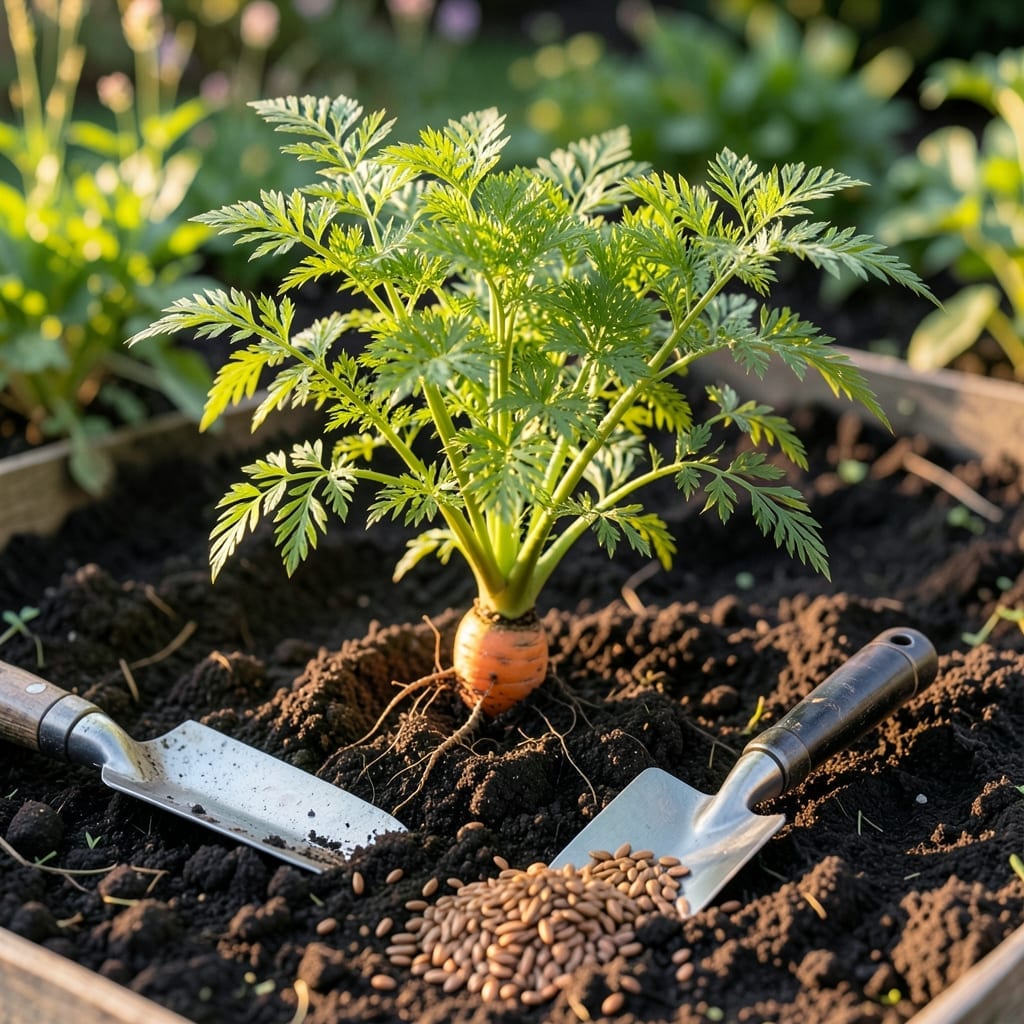
Timing is everything when planting 🥕 Carrot seeds in Ohio. Plant too early and frost may ruin your crop, too late and you’ll miss the optimal growing window.
Ohio’s diverse climate zones mean your planting schedule depends on where you live. In zone 6a, the sweet spot for spring planting is just around the corner.
Whether you’re a seasoned gardener or just starting out, knowing the right time to plant can make all the difference. I’ll walk you through the best windows for both spring and fall planting.
Discover how to get the most out of your Carrot harvest by timing it perfectly with Ohio’s unique seasons.
Ohio spans USDA zones 5-6, with zone 6a being the most common. This means your last frost date typically falls between April 15-30, while the first frost arrives around October 15. These dates are critical for timing your carrot plantings.
Carrots thrive in cool soil (40-85°F) and can tolerate light frosts. For spring planting, I recommend sowing 2-4 weeks before your last frost date when soil is workable. In zone 6, this usually means late March to early April. For fall harvests, plant 10-12 weeks before your first frost, around mid-July to early August.
| Zone | Spring Planting | Fall Planting | Notes |
|---|---|---|---|
| Zone 5 | Mid-April | Early July | Colder winters |
| Zone 6a | Late March | Mid-July | Most of Ohio |
| Zone 6b | Early April | Late July | Warmer areas |
For the best results, I always check my local soil temperature with a simple thermometer. Carrot seeds germinate best at 50-85°F, but will sprout as low as 40°F. In early spring, I cover my rows with row fabric to retain warmth and moisture.
Remember that soil preparation is key. Carrots need loose, well-draining soil to grow straight and long. I work in compost the fall before planting and avoid fresh manure, which can cause forking. The ideal depth for sowing is ¼ inch, with rows 12-18 inches apart.
In northern Ohio (zone 5), the growing season is shorter, so I start my first planting April 1-15 and make a second sowing July 1-15 for fall harvest. This gives me two crops with about 70 days to maturity for most varieties.
Southern Ohio gardeners in zone 6b can push their spring planting to early March if the soil isn’t frozen. For fall crops, I’ve had success planting as late as early August, especially with quick-maturing varieties like ‘Paris Market’ or ‘Nantes’.
I’ve found that succession planting works well in Ohio’s climate. After my first spring planting, I sow another batch every 3 weeks until early June. This extends my harvest window and ensures a steady supply of fresh carrots.
For those in urban areas with warmer microclimates, you might be able to plant a week or two earlier than the general zone recommendations. I always keep an eye on the 10-day forecast to avoid unexpected late frosts.
No matter your zone, consistent moisture is crucial during germination. I water gently but regularly, keeping the soil evenly moist but not soggy until the seeds sprout, which typically takes 7-21 days. 🌱
In Ohio, you’ve got two prime windows for carrot seeds: spring and fall. Spring planting offers an early harvest and helps avoid some pests that peak in summer.
Fall planting, though, can yield sweeter carrots due to cooler temps. The key is timing it right before the first frost hits your zone.
Pros: Early harvest, avoids summer pests
Cons: Risk of late frost, needs consistent moisture
Pros: Sweeter carrots, fewer pests
Cons: Must plant early enough to mature before frost
For zone 5, aim to sow spring seeds 2-4 weeks before the last frost, typically late March to early April. Soil temps should be at least 40°F for germination.
Fall planting in zone 5 should start around mid-July to early August. This gives carrots 10-12 weeks to mature before the first frost.
In zone 6, spring planting can start a bit earlier, often in mid-March. Fall planting can extend into late August for a later harvest.
I always recommend checking soil temperature with a thermometer. Carrots germinate best at 50-85°F, so don’t rush it if the ground is still cold.
Whichever season you choose, consistent moisture is critical. Carrot seeds need evenly damp soil to sprout, which can take 2-3 weeks.