
Beautiful Plants For Your Interior
Beautiful Plants For Your Interior
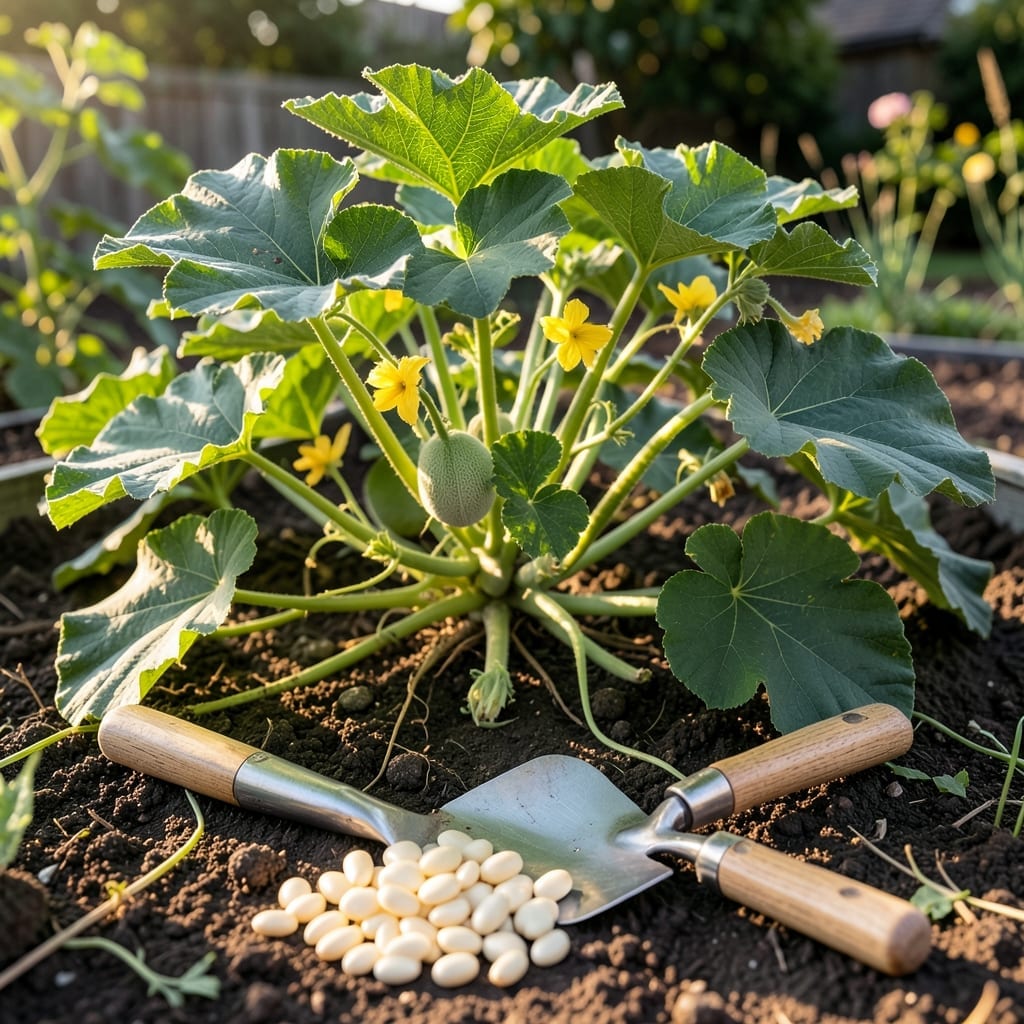
Timing is everything when growing Cantaloupe in Texas. Plant too early, and frost may kill your seedlings. Plant too late, and scorching summer heat can stunt their growth.
I’ve learned that the perfect window makes all the difference for a juicy, abundant harvest. Texas gardeners in zones 8a-9b have a unique advantage with our long growing season.
The key is waiting until soil temperatures consistently reach at least 65°F. This ensures your 🍈 seeds will germinate properly and grow strong from the start.
Let me share exactly when to get those seeds in the ground for the sweetest results. You’ll be enjoying homegrown cantaloupes before you know it.
Texas spans multiple USDA zones (8a-9b), so planting times vary. In North Texas, wait until mid-March after the last frost. Central and East Texas can start early March thanks to milder winters.
For South Texas, you can plant as early as February, while West Texas gardeners should aim for late March to avoid late frosts. Always check your local soil temperature—it must be 70°F+ for best germination.
| Region | Ideal Months | Soil Temp | Notes |
|---|---|---|---|
| North Texas | Mid-March | 70°F+ | After last frost |
| Central Texas | Early March | 70°F+ | Milder winters |
| South Texas | February | 70°F+ | Early start possible |
| East Texas | Early March | 70°F+ | Humid climate |
| West Texas | Late March | 70°F+ | Avoid late frosts |
I recommend using a soil thermometer to confirm temperatures. In warmer zones, you can try succession planting every 2-3 weeks for a continuous harvest. This works especially well in South Texas where the growing season is longer.
Early planting (February) in South Texas can yield first fruits by May. However, be prepared to protect young plants if a late cold snap occurs. Use row covers or cloches for added warmth.
In North Texas, waiting until mid-March reduces frost risk. The soil warms up quickly here, so seeds germinate fast once conditions are right. Aim for well-draining soil to prevent waterlogging during spring rains.
For West Texas, the dry climate means you’ll need to water consistently. Planting in late March ensures the soil is warm enough while avoiding the hottest summer months that can stress plants.
Central Texas gardeners have flexibility—early March plantings often thrive, but you can also plant in late April for a fall harvest. Just ensure the days to maturity (75-90) fit before the first frost.
Remember, cantaloupes need full sun (6-8+ hours daily) and consistent moisture. Mulch around plants to retain soil warmth and reduce water evaporation in Texas heat.
If you’re in a borderline zone, start seeds indoors 3-4 weeks before transplanting. This gives you a head start while minimizing frost exposure. Use peat pots for easy transplanting without root disturbance.
Finally, always adjust based on weather. An unusually warm February in North Texas might allow early planting, but a cold March in South Texas could delay your plans. Stay flexible and observe local conditions.
With these region-specific tips, you’ll maximize your chances of a bountiful cantaloupe harvest across the Lone Star State. 🌱
Getting your cantaloupe seeds in the ground at the right time isn’t just about the calendar. Texas gardeners need to watch for three critical conditions that make or break germination.
First, soil temperature must stay above 65°F for seeds to sprout. I’ve seen seeds rot in colder ground, wasting time and effort.
Second, know your last frost date. In North Texas, that’s often mid-March, while South Texas may see it in February. Planting too early risks losing everything to a late freeze.
Finally, watch the heat index. Cantaloupes love warmth, but seedlings struggle above 90°F. I plant in stages to avoid this, giving me a longer harvest window.
Pro tip: Use a soil thermometer to check temps at 4-inch depth. It’s the most reliable way to know when conditions are perfect.
By nailing these three factors, you’ll see strong germination and healthy vines ready to produce those sweet, juicy melons we all love ☀️