
Beautiful Plants For Your Interior
Beautiful Plants For Your Interior
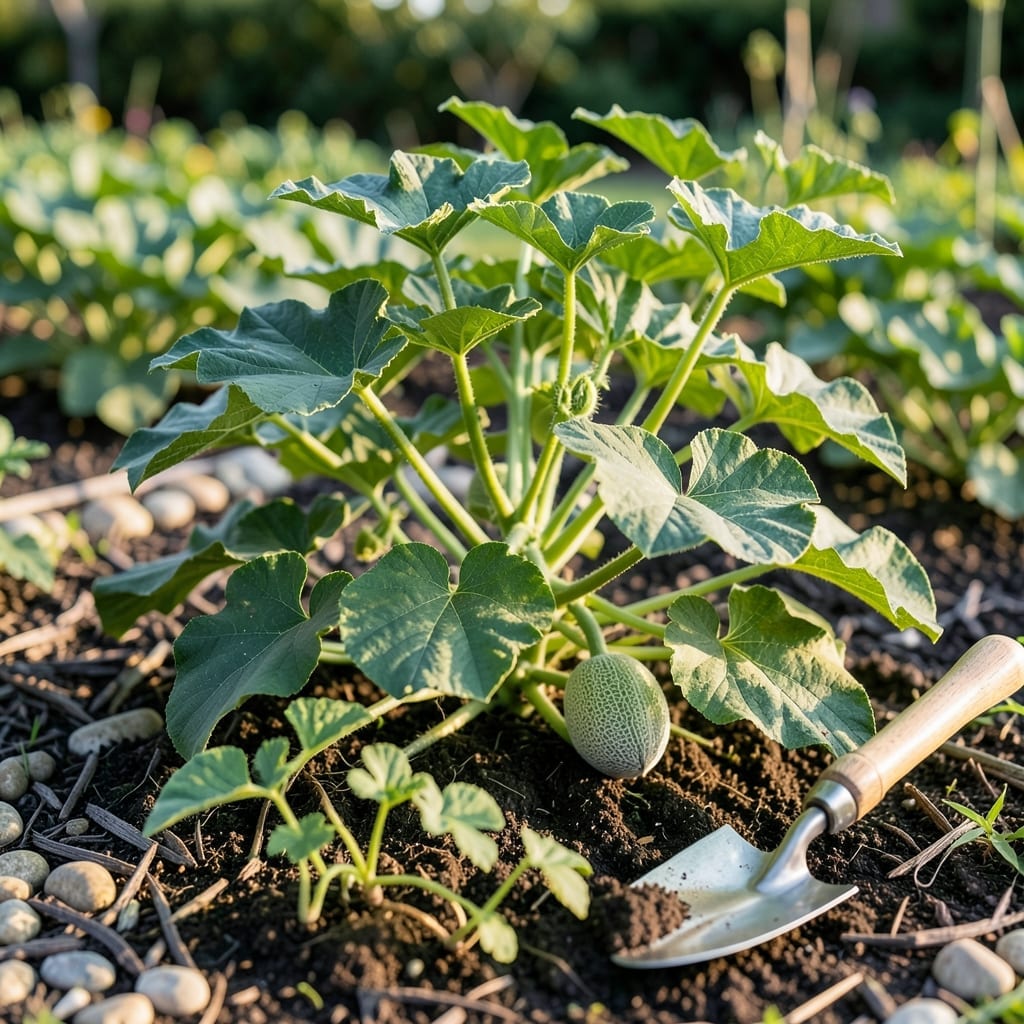
Timing is everything when planting Cantaloupe in Pennsylvania—plant too early and frost will kill your seedlings, too late and you’ll miss the sweetest harvest window.
This guide helps you nail the perfect planting window for your PA hardiness zone. Whether you’re in zone 6a or another part of the state, understanding the local climate is the key to success.
I’ll walk you through the best months to start, how to prepare your soil, and what to watch out for as the seasons change. No more guessing when to get those seeds in the ground.
Discover how to time your planting just right and enjoy a bountiful Cantaloupe harvest all summer long. Let’s get started.
Pennsylvania spans USDA zones 4 through 7, and each has a slightly different window for planting cantaloupe. The key is waiting until all frost danger has passed and soil temps hit 70°F or warmer. This ensures your vines get the heat they crave right from the start.
In southern PA (Zone 7), you can often plant as early as mid-April under row covers. But in northern areas (Zone 4), I recommend waiting until late May or even early June for the best results.
| Zone | Last Frost Date | Planting Window | Notes |
|---|---|---|---|
| 4 | May 15 | Late May–June | Use black plastic to warm soil |
| 5 | April 30 | Mid-May–June | Row covers help early starts |
| 6 | April 15 | Late April–May | Ideal for most PA gardeners |
| 7 | April 1 | Mid-April–May | Earliest PA planting window |
I always check my local soil temperature with a simple thermometer before planting. If it’s below 65°F, I wait or use warming techniques like black plastic mulch. Cantaloupes are heat-lovers, and cold soil can stunt growth or cause seed rot.
Another trick I use is starting seeds indoors about 3-4 weeks before the last frost date. This gives me a head start, especially in cooler zones. Just be sure to harden off the seedlings before transplanting to avoid shock.
For direct sowing, I plant seeds 1 inch deep and 18 inches apart in rows that are 5-6 feet apart. This spacing gives the vines room to sprawl. If space is tight, consider trellising your cantaloupes, though the fruits may need support.
Remember that cantaloupes need full sun—at least 6-8 hours daily. In PA, this means choosing the sunniest spot in your garden. I’ve found that south-facing slopes or areas near paved surfaces (which retain heat) work particularly well.
If you’re in a cooler microclimate, like near a lake or in a shaded valley, you might need to adjust your planting date later by 1-2 weeks. Local knowledge is key—ask neighboring gardeners about their experiences with melons in your specific area.
Finally, keep an eye on the 10-day forecast before planting. Even if your average last frost has passed, a late cold snap can spell disaster. I once lost an entire planting to a freak May frost, and I’ve been cautious ever since.
With the right timing, your PA cantaloupe plants will thrive and reward you with sweet, juicy fruits all summer long 🌱
Getting cantaloupe seeds off to a strong start in Pennsylvania means warming the soil first. I use black plastic mulch to boost temperatures by 10°F or more, giving seeds the 70°F+ they crave.
For cooler PA zones, starting indoors 3-4 weeks before the last frost gives seedlings a head start. Just be sure to harden them off before transplanting outdoors.
I always test my soil temperature with a simple thermometer—if it’s below 60°F, I wait or add more warming strategies. Row covers are my secret weapon for those unpredictable late spring cold snaps.
Remember that cantaloupes hate soggy roots, so I improve drainage by planting in raised mounds. This also helps the soil warm up faster in Pennsylvania’s often cool springs.
When transplanting seedlings, I space them 36-48 inches apart in rows 5-6 feet apart. This gives the vines room to sprawl as they grow toward those sweet summer melons.
For zone 6 gardeners like me, mid-May is usually safe for direct sowing, but I always check the 10-day forecast first. One late frost can set you back weeks.
Finally, I mulch heavily with straw to retain moisture and suppress weeds, which is especially important during Pennsylvania’s hot, dry summers ☀️