
Beautiful Plants For Your Interior
Beautiful Plants For Your Interior
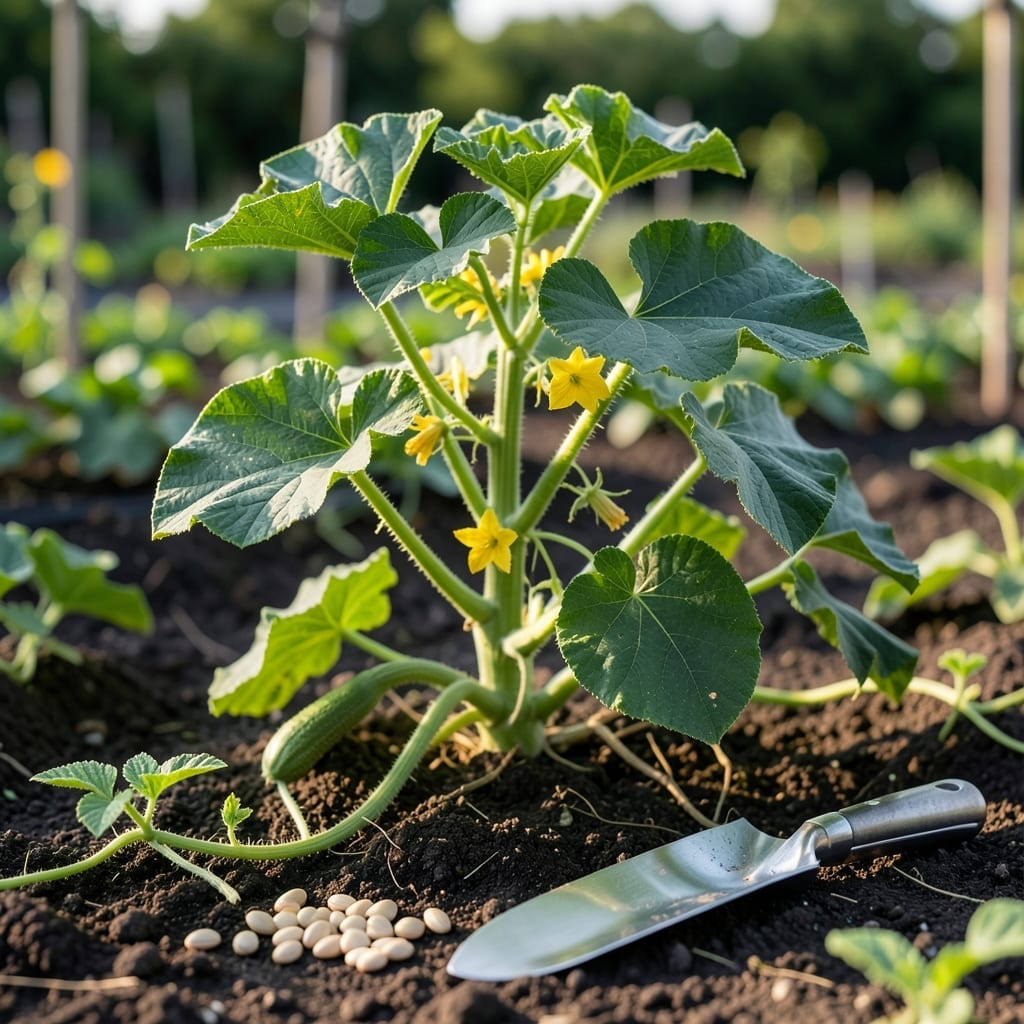
Timing is everything when growing 🍈 Cantaloupe in Missouri. One wrong move with your planting schedule, and you could lose your entire crop to frost or miss the harvest window altogether.
In Zone 6a, the difference between success and disappointment often comes down to just a few weeks. The state’s unpredictable springs demand precision from gardeners who want that perfect summer melon.
I’ve seen too many Missouri gardeners jump the gun in March, only to watch their seedlings wither in a late cold snap. The sweet spot exists, and it’s more specific than you might think.
Discover the exact window when soil and air temperatures align for 🍈 Cantaloupe success, plus the pro tips that ensure your vines thrive from April to August.
In Missouri, the key to growing sweet cantaloupes is timing. I always wait until soil temps hit 70°F and the last frost has passed. This warm-season crop can’t handle cold, so patience is crucial for success.
Missouri’s diverse climate means planting dates vary by region. Northern zones need to wait longer than southern areas. I’ll break it down so you’ll know exactly when to start your seeds or transplants.
| Region | Last Frost Date | Planting Window | Soil Temp Requirement |
|---|---|---|---|
| Northern Missouri | April 15-30 | Mid-May to early June | 70°F+ |
| Central Missouri | April 1-15 | Late April to mid-May | 70°F+ |
| Southern Missouri | March 15-30 | Early April to early May | 70°F+ |
In Northern Missouri, I recommend waiting until mid-May to plant. The last frost typically hits around April 15-30, and soil needs time to warm up after that.
Central Missouri gardeners can start a bit earlier. I’ve had success planting from late April to mid-May here, as the last frost usually arrives by April 15 at the latest.
Southern Missouri enjoys the warmest climate. I’ve seen great results when planting from early April to early May, right after the last frost date of March 15-30.
For all regions, I use a soil thermometer to check temperatures. If it’s below 70°F, I wait. Cold soil can stunt growth or even kill young plants.
If you’re eager to start earlier, I suggest using black plastic mulch to warm the soil. This trick can give you a 1-2 week head start in cooler areas.
Remember, cantaloupes need full sun and well-draining soil. I always amend my Missouri clay soil with compost to improve drainage before planting.
With the right timing and preparation, you’ll be harvesting juicy cantaloupes by mid-summer. I find that following these regional guidelines gives me the best results year after year. ☀️
Missouri’s clay-heavy soil can be tough on cantaloupe vines, but with the right prep, you’ll create a thriving environment. I always start by testing my soil’s pH level, aiming for 6.0–6.8 for optimal growth.
Amending with organic compost improves drainage and adds nutrients. Cantaloupes hate wet feet, so raised beds or mounds help prevent waterlogging in our clay soil.
For early planting, I use black plastic mulch to warm the soil faster. This trick can give you a 2-week head start in cooler areas of Missouri.
Drainage is critical, especially in low-lying areas. Consider raised beds or mounded rows to keep roots happy and healthy.
Remember, cantaloupes need consistent moisture but despise soggy conditions. A balanced approach to watering will prevent issues like blossom end rot.
With these steps, your Missouri soil will be ready to support vigorous cantaloupe vines that produce sweet, juicy melons all summer long. ☀️