
Beautiful Plants For Your Interior
Beautiful Plants For Your Interior
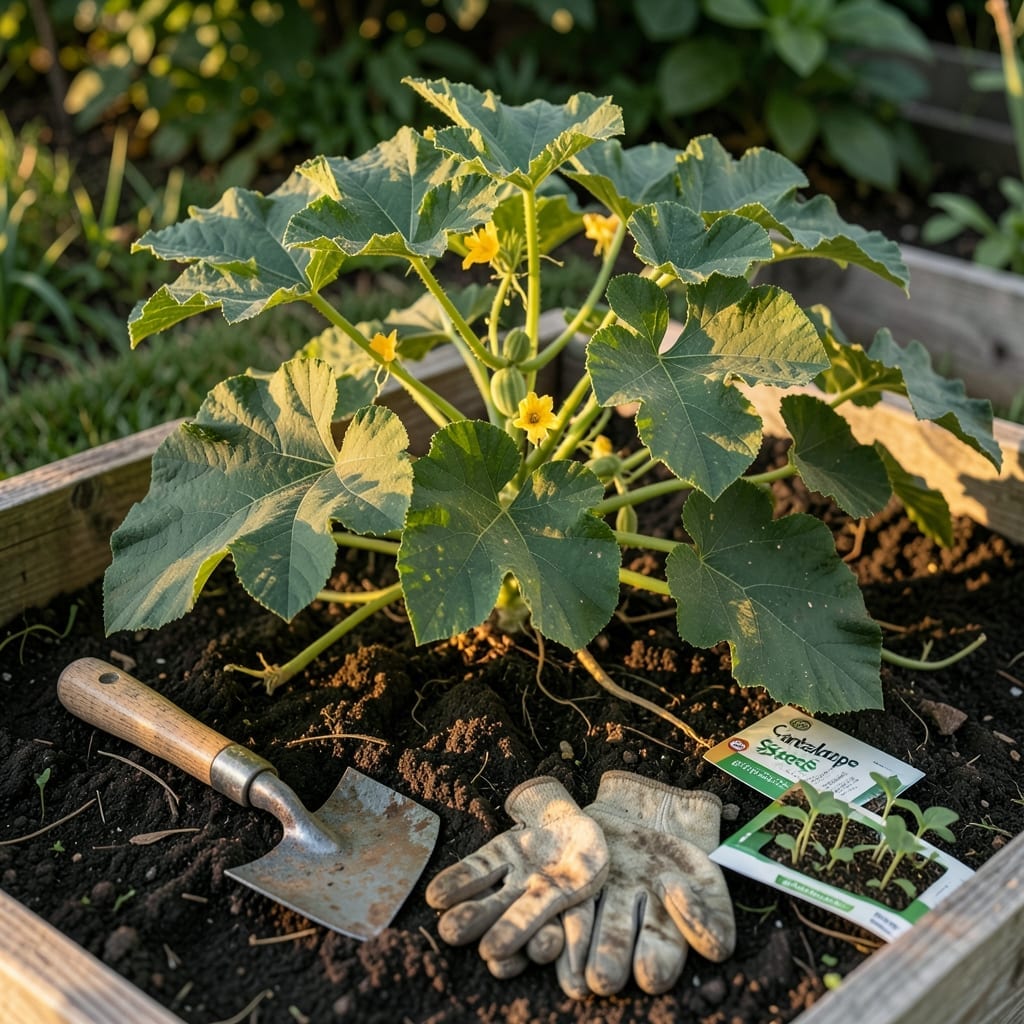
Timing is everything when growing Cantaloupe in Michigan’s unpredictable climate. Plant too early and frost will kill your seedlings; too late and summer won’t last long enough for sweet, ripe fruit.
I’ve learned the hard way that Michigan’s 5b-6a zones demand precision. The window between May and June is your golden opportunity, but only if the soil is warm enough.
Getting this right means the difference between a bountiful harvest and a disappointing season. The 🍈 Cantaloupe thrives when conditions are just right, and I’ll show you how to nail the timing.
Discover the exact cues to watch for and the simple steps to ensure your plants have the best start possible in Michigan’s unique growing season.
Michigan’s Zone 5 and Zone 6 climates demand precise timing for cantaloupe planting. The last frost date is typically May 15, but soil warmth matters more than air temperature for these heat-loving vines.
Cantaloupe seeds need 70°F soil to germinate properly. In Michigan, that usually means waiting until late May or even early June for direct sowing in most areas.
| Region | Last Frost Date | Planting Window |
|---|---|---|
| Southern Michigan (Zone 6) | May 10-15 | Mid-May to early June |
| Central Michigan (Zone 5b) | May 15-20 | Late May to early June |
| Northern Michigan (Zone 5a) | May 20-25 | Early June |
✅ Pro Tip: Use a soil thermometer to confirm 70°F+ at 2-inch depth.
I always recommend starting seeds indoors 3-4 weeks before the last frost if you want an earlier harvest. This gives your cantaloupe plants a head start in Michigan’s short growing season.
Transplanting seedlings should wait until 2 weeks after the last frost date. This ensures the soil has warmed sufficiently and reduces the risk of cold shock to your young plants.
In Zone 5 areas, where the growing season is shorter, consider fast-maturing varieties like ‘Minnesota Midget’ or ‘Early Silver Line’ that ripen in 75-80 days.
For Zone 6 gardeners, you have more flexibility. I’ve had success planting as early as mid-May when using black plastic mulch to warm the soil faster.
Soil preparation is key. Work in plenty of compost and ensure good drainage. Cantaloupes hate wet feet, so raised beds can be a great option in Michigan’s clay-heavy soils.
Remember that frost sensitivity doesn’t end with planting. Even a light frost can damage cantaloupe vines, so keep an eye on late spring weather forecasts.
Finally, successful cantaloupe in Michigan depends on full sun and consistent watering. Aim for 1-2 inches of water per week, especially during fruit development. ☀️
Michigan’s short growing season can make cantaloupe tricky, but I’ve found simple ways to stretch those warm days. The key is giving your plants an early head start while protecting them from late spring chills.
Using black plastic mulch warms the soil faster, and row covers shield seedlings from surprise frosts. These tricks can add 2-3 weeks to your growing window.
I always start my cantaloupe indoors in peat pots around mid-April. This gives them a strong root system before moving outdoors. Just
Container gardening is another great option. Use 5-gallon buckets with drainage holes and move them to sunny spots as the sun shifts. This works especially well in urban areas with limited space.
For extra warmth, I lay down black plastic mulch a week before planting. This can raise soil temperature by 5-10°F, which is crucial for cantaloupe’s tropical origins.
Don’t forget about pollination—cantaloupes need bees. If you’re using row covers, remove them during daylight when flowers appear to allow bee access. This simple step can double your yield.
With these methods, I’ve successfully harvested sweet cantaloupes in Michigan as late as early October. It’s all about giving your plants that extra protection they need to thrive in our climate 🌱