
Beautiful Plants For Your Interior
Beautiful Plants For Your Interior
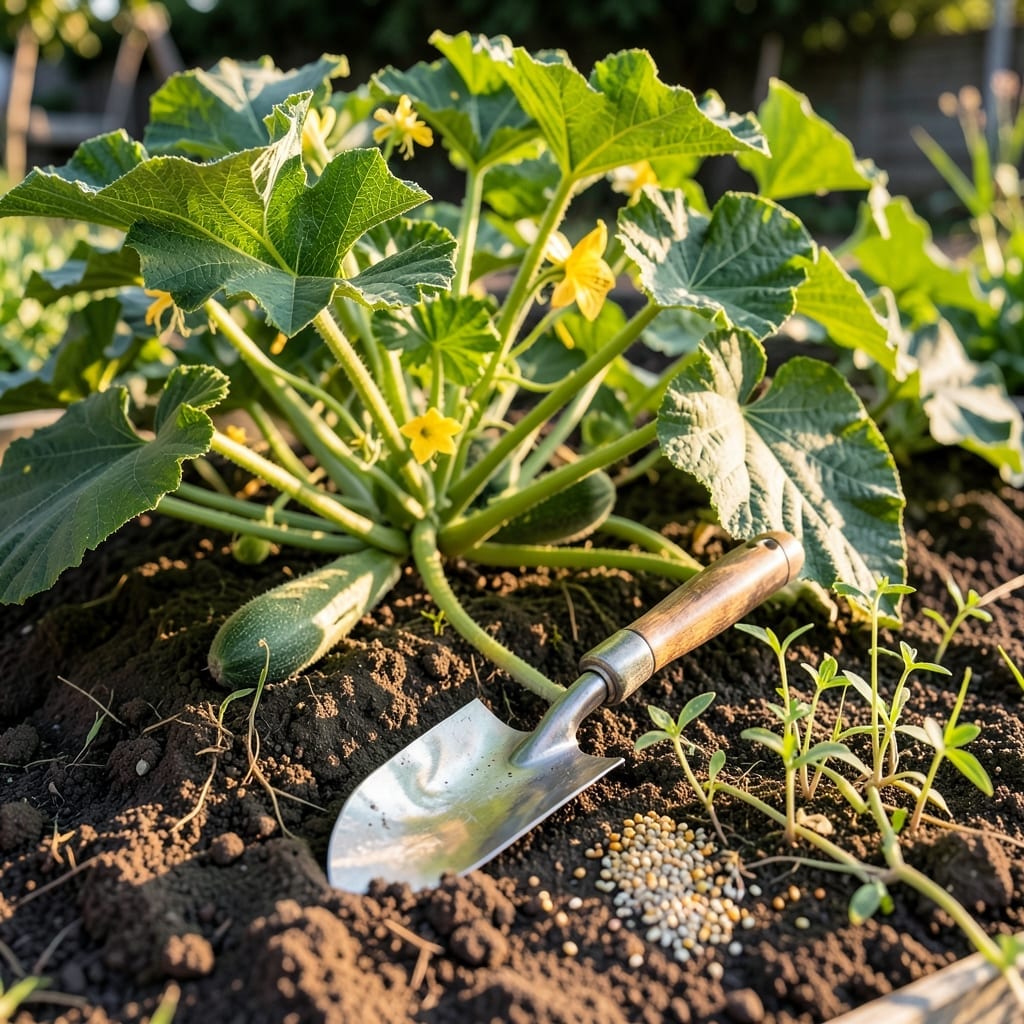
Timing is everything when it comes to planting Cantaloupe 🍈 in Indiana. Get it right, and you’ll enjoy sweet, juicy melons all summer long.
Indiana’s Zone 5b-6a climate means you need to work with the seasons, not against them. Plant too early, and frost might ruin your crop. Wait too long, and the growing window slips away.
I’ve learned that waiting for soil to warm to at least 65°F is the key. That usually means late April to early May for most of the state.
Let me walk you through the exact timing and tips to ensure your cantaloupe thrives in Indiana’s unique conditions.
As a Zone 5 gardener in Indiana, I know cantaloupe thrives on warmth. These heat-loving melons need soil temps above 70°F to germinate properly and grow strong.
Our last frost date typically falls between April 15 and May 1. I always wait 2-3 weeks after this date before planting to ensure safe conditions for my cantaloupe seeds or seedlings.
I’ve found that late May to early June is the sweet spot for planting cantaloupe in my Indiana garden. This timing gives the soil enough warmth while avoiding late spring frosts.
For earlier harvests, I sometimes start seeds indoors 3-4 weeks before transplanting. Just be sure to harden off the seedlings before moving them outside.
Our growing season in Zone 5 typically offers 170 frost-free days. This gives cantaloupe plenty of time to mature and produce before the first fall frost.
I always check the 10-day forecast before planting. If a cold snap is predicted, I’ll wait or use row covers to protect young plants from unexpected chilly nights.
Remember that microclimates can affect timing. If you’re in a warmer urban area or near a heat-absorbing structure, you might plant a week earlier than rural locations.
Black plastic mulch is my secret weapon. It warms the soil faster in spring and helps maintain consistent temperatures that cantaloupe loves.
By following these Zone 5 guidelines, I consistently enjoy sweet, homegrown cantaloupes from July through September. The key is patience – wait for true warmth to arrive! 🌱
Indiana’s clay-heavy soils need special attention for cantaloupe success. I always start by testing my soil pH, aiming for 6.0-6.8 for optimal nutrient uptake.
Adding organic matter like compost or aged manure improves drainage and fertility. Cantaloupe roots hate soggy conditions, so I work in 2-3 inches of organic material.
I use black plastic mulch to warm the soil faster in spring. This technique can raise soil temperature by 5-10°F, giving cantaloupe the warmth it craves.
For clay soil, I recommend creating raised beds at least 12 inches deep. This improves drainage and allows roots to spread more easily.
A balanced fertilizer like 5-10-10 at planting time gives my cantaloupe a good start. I then side-dress with compost every 3-4 weeks during the growing season.
Remember that consistent moisture is key, but avoid waterlogging. I water deeply once a week, more during dry spells, always in the morning. 🌱