
Beautiful Plants For Your Interior
Beautiful Plants For Your Interior
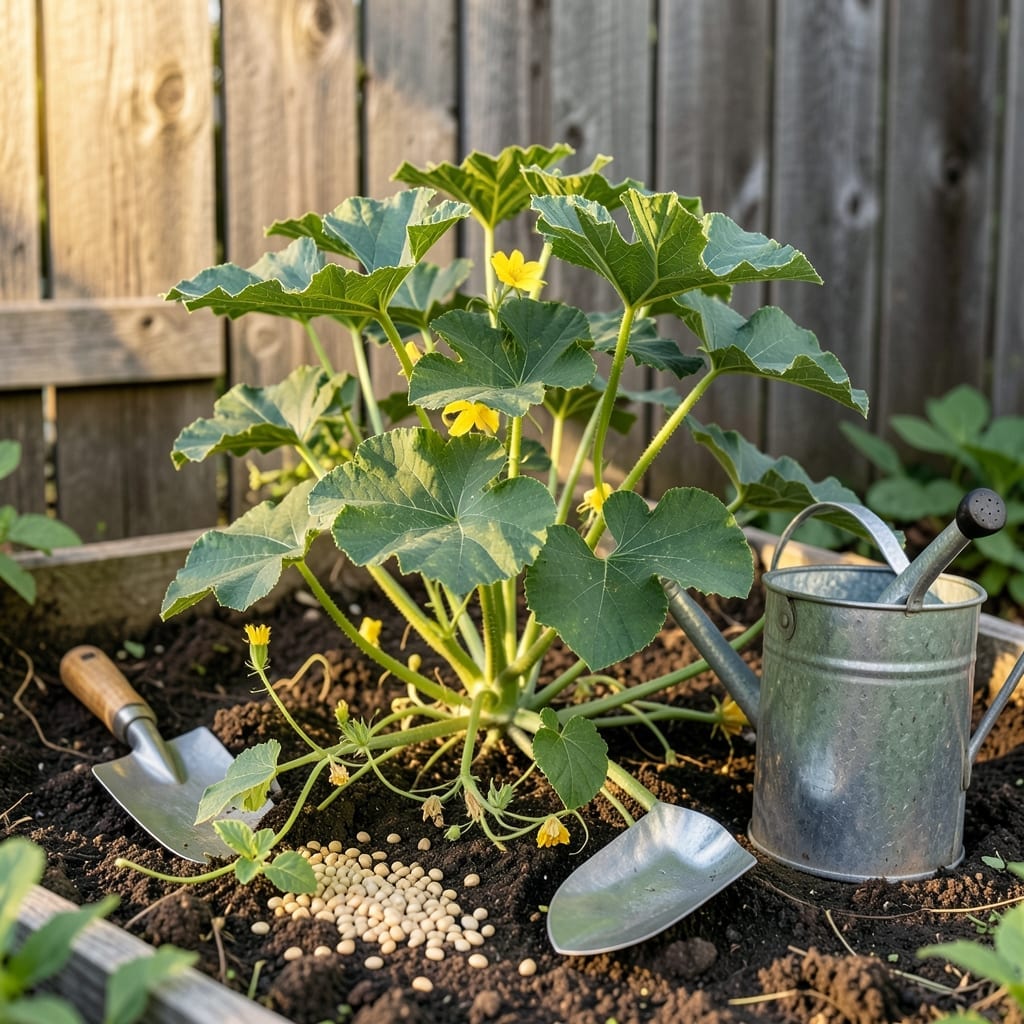
Timing is everything when growing 🍈 Cantaloupe in Arizona’s intense climate. Plant too early, and frost might wipe out your seedlings. Plant too late, and the scorching heat could stress your vines before they bear fruit.
I’ve learned the hard way that this sweet melon thrives when the soil is warm but not blazing. In our 9b zone, getting the timing right means the difference between a bountiful harvest and a disappointing flop.
The good news? There’s a perfect window that balances warmth and growing time. Stick to it, and you’ll be rewarded with juicy, homegrown Cantaloupe just when summer cravings hit.
Let me show you exactly when to start and how to set your plants up for success in Arizona’s unique conditions.
Arizona’s diverse elevations create drastically different growing conditions. In the low desert areas like Phoenix and Tucson, I’ve found the sweet spot is February 15 to April 1 for spring planting.
This window avoids both late frosts and the intense summer heat that can scorch young vines. The soil needs to be at least 70°F for reliable germination, which typically happens by mid-March in these zones.
| Region | Spring Planting Window | Fall Planting Window | Notes |
|---|---|---|---|
| Low Desert | Feb 15 – Apr 1 | Aug 1 – Sep 1 | Avoid peak summer heat |
| Intermediate | Mar 1 – Apr 15 | Jul 15 – Aug 15 | Slightly cooler than low desert |
| High Desert | Apr 15 – May 15 | Not recommended | Short season, frost risk |
For intermediate zones like Yuma or the lower Colorado River area, I adjust the timeline slightly later. Here, March 1 to April 15 works best for spring crops, giving the soil extra time to warm up.
The high desert regions such as Flagstaff and Prescott are trickier. I wait until April 15 to May 15 for spring planting, as these areas experience later frosts and cooler soil temperatures.
Fall plantings are possible in low and intermediate deserts. I’ve had success starting seeds August 1 to September 1 in Phoenix, which allows the plants to mature before the first frost around December 15.
In the high desert, fall plantings aren’t recommended due to the short growing season and early frost dates. The window is simply too narrow for cantaloupe to reach maturity.
I always check the soil temperature with a thermometer before planting. Cantaloupe seeds won’t germinate well below 60°F, and ideal germination occurs at 70-90°F. This is crucial for all regions.
For the best results, I start seeds indoors 3-4 weeks before the last frost date in cooler areas. This gives the seedlings a head start and helps them establish before the heat sets in.
Remember, these are guidelines. Microclimates can vary significantly even within the same city. I’ve seen south-facing slopes warm up faster than north-facing ones, sometimes by as much as 2-3 weeks.
When in doubt, I recommend starting with a small test plot. This way, you can gauge your specific conditions without risking an entire crop.
Arizona’s unique desert climate presents both challenges and advantages for growing cantaloupe. The intense heat and low humidity can stress plants, but they also reduce disease risks common in wetter regions.
I’ve found that soil temperature is the most critical factor. Cantaloupe seeds need 70-90°F to germinate properly, which aligns perfectly with Arizona’s spring warming trend.
The dry air means I need to monitor soil moisture closely. Cantaloupe has deep roots, so I water deeply but less frequently to encourage strong root development.
To combat heat stress, I use shade cloth during the hottest part of the day. This simple step can prevent sunscald on developing fruits and keep vines productive longer.
I also add a 3-inch layer of mulch around plants. This helps retain soil moisture and keeps roots cooler during Arizona’s 100°F+ days. Organic mulches like straw work best for me.
Remember, even in the desert, evening temperatures can drop significantly. I always check the overnight lows to ensure they stay above 50°F for healthy plant development.
With these adjustments, I’ve found cantaloupe thrives in Arizona’s climate, producing sweeter, more flavorful fruit than many cooler regions.