
Beautiful Plants For Your Interior
Beautiful Plants For Your Interior
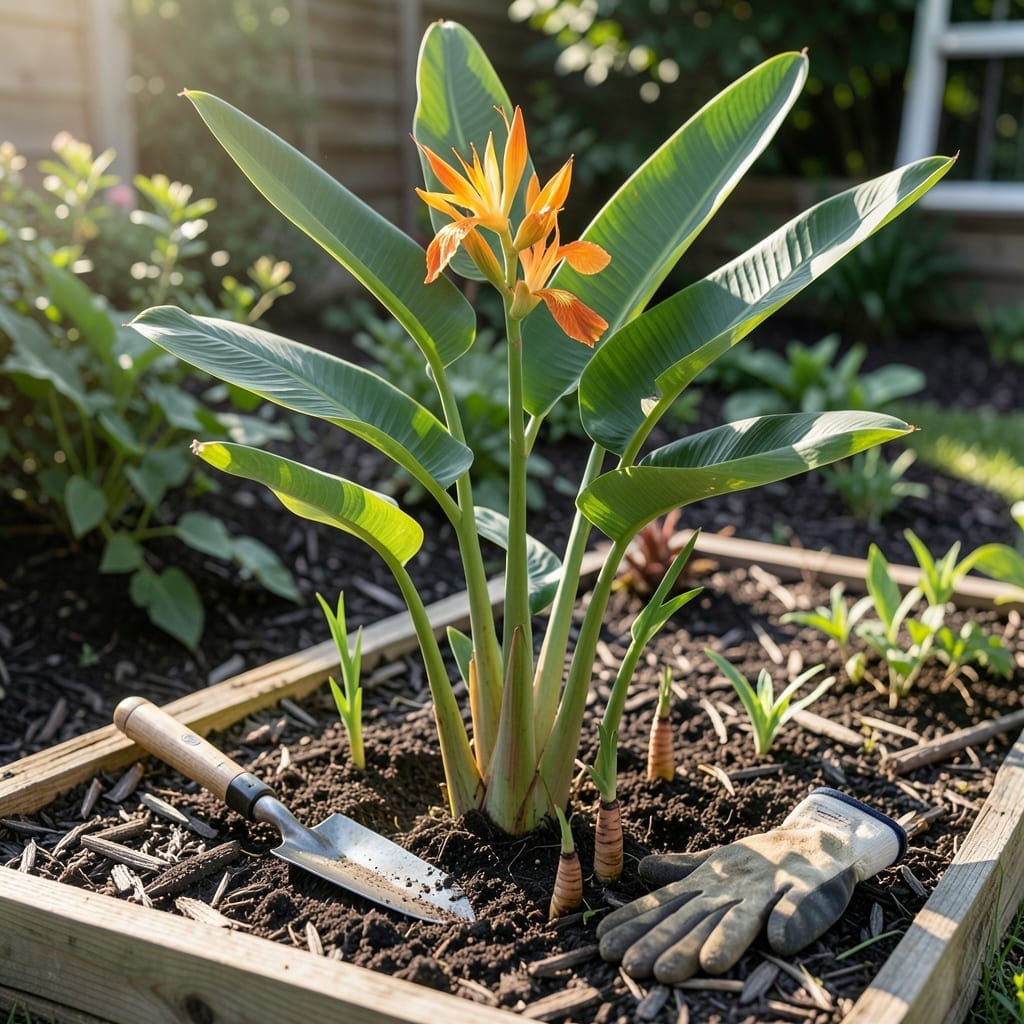
Timing is everything when planting Canna 🌺 in Kansas—get it right, and you’ll enjoy vibrant blooms all season.
Get it wrong, and your plants may struggle to thrive in the Heartland’s unpredictable climate. The key is understanding when the soil is warm enough to support these tropical beauties.
In our USDA 5b-6a zones, waiting until the danger of frost has passed makes all the difference. That small window of patience can mean the difference between lackluster growth and spectacular displays.
Discover exactly when to start and how to give your Canna the best possible beginning for a season of stunning color.
Kansas gardeners in USDA Zone 6 should aim to plant cannas after the last frost date, which is typically around April 15. These tropical beauties thrive when soil temperatures reach at least 60°F, ensuring strong root development.
Planting too early can expose cannas to late frost damage, while waiting too long may shorten your blooming season. I recommend monitoring local weather and using a soil thermometer for accuracy.☀️
| Planting Factor | Kansas Zone 6 Details |
|---|---|
| Best Months | April to May |
| Soil Temperature | 60°F or warmer |
| Last Frost Date | April 15 |
| First Frost Date | October 15 |
| Sunlight Needs | Full sun (6+ hours) |
| Fall Planting | Not recommended |
For the best results, I suggest starting canna rhizomes indoors in March if you want an early jump. This gives them a 4-6 week head start before transplanting outside after frost danger passes.
If you’re planting directly in the ground, wait until mid-to-late April when the soil has fully warmed. Cannas love well-draining soil, so amending with compost can help improve conditions in Kansas’ often clay-heavy ground.
Container planting is another great option for Kansas gardeners. You can start cannas in pots indoors and move them outside once temperatures consistently stay above 50°F at night. This method also lets you extend the growing season by bringing them inside before the first frost.
Remember, cannas are tender perennials in Kansas. They won’t survive winter in the ground, so plan to dig up rhizomes in fall after the first frost and store them indoors until spring.
For those in southern Kansas (closer to Zone 7), you might get away with planting a week or two earlier. But in most of the state, sticking to the post-frost window is your safest bet for success.
If you’re unsure about your exact frost dates, check with your local extension office or use an online frost date calculator. I always recommend erring on the side of caution with these tropical plants.
Finally, don’t forget that cannas need consistent moisture during their first few weeks in the ground. Water deeply after planting and maintain even soil moisture until you see new growth emerging.🌱
Preparing your Kansas soil properly is crucial for canna lilies to thrive. The state’s clay-heavy soil often drains poorly, which can spell trouble for these tropical plants that prefer well-draining conditions.
I always start by testing my soil’s pH level—cannas prefer a range between 6.0 and 6.5. If it’s too acidic or alkaline, I amend it with lime or sulfur accordingly.
For the best results, I work in 2-3 inches of compost into the top 6-8 inches of soil. This improves both drainage and fertility, giving your cannas the nutrient-rich environment they love.
If your yard has particularly heavy clay, consider creating raised beds. This allows you to control the soil composition more precisely and prevents water from pooling around the roots.
Don’t forget to loosen the soil thoroughly before planting. Cannas develop extensive root systems, so they need room to spread. I use a garden fork to break up compacted areas.
Finally, after planting, apply a 2-inch layer of mulch to help retain moisture and suppress weeds. I find that organic mulches like straw or shredded bark work particularly well for cannas.🌱