
Beautiful Plants For Your Interior
Beautiful Plants For Your Interior
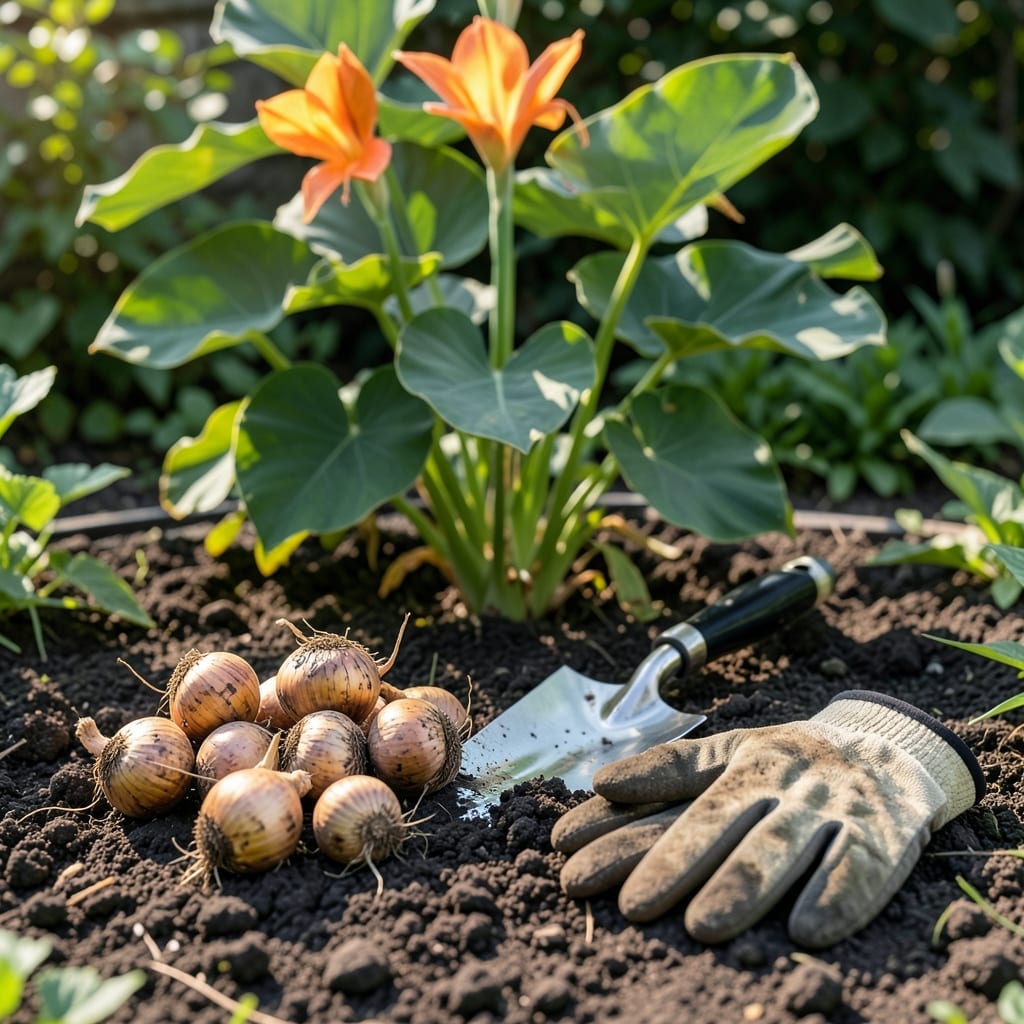
Timing is everything when it comes to planting canna bulbs in Kansas. Plant too early, and frost can ruin your efforts.
I’ve learned the hard way that waiting until soil warms to at least 60°F makes all the difference. In our 5b-6a zones, that sweet spot usually hits between mid-April and early May.
The 🌺 Canna won’t thrive in cold earth, and you’ll want to avoid those late spring freezes we sometimes get. Trust me, your future blooms will thank you for this patience.
Let me walk you through exactly when and how to get these vibrant flowers started right in your Kansas garden.
Kansas gardeners know our USDA zones 5b-6a bring unpredictable springs. I’ve found that waiting until soil reaches 60°F prevents cold shock to your canna bulbs. This usually happens between mid-April and early May across most of the state.
Eastern Kansas often warms faster than western regions. I always check my local last frost date—typically around April 15—before planting. Those extra weeks of warmth make a noticeable difference in growth.
I use a soil thermometer to confirm the temperature at 4-inch depth. Canna bulbs planted in cold soil often rot or fail to sprout. I’ve lost entire batches by rushing the process in early March.
Our 180-day growing season gives cannas plenty of time to establish. I aim to plant at least 2 weeks after the last frost date for my area. This buffer protects against surprise cold snaps that Kansas is famous for.
Western Kansas gardeners should be especially patient. Your later last frost and cooler soils mean waiting until early May often works best. I’ve seen cannas struggle when planted too early in Colby or Goodland.
The soil preparation matters just as much as timing. I work in 2-3 inches of compost before planting to improve drainage. Canna bulbs hate soggy conditions, so amending heavy clay is essential.
I plant my canna bulbs 4-6 inches deep and 18-24 inches apart. This spacing gives the tall varieties room to reach their 4-6 foot mature height without crowding. The bulbs should be placed with the eye facing upward.
After planting, I water thoroughly to settle the soil. Then I add a 2-inch mulch layer to retain moisture and suppress weeds. This initial care sets the stage for vibrant summer blooms that last until frost.
Remember that cannas are tender perennials in Kansas. While they’ll die back in winter, the bulbs can be dug up and stored to replant next year. I’ve had the same canna bulbs bloom for 5+ years with proper overwintering.
Watch for Japanese beetles in early summer—they love canna leaves. I handpick them daily and use neem oil as a natural deterrent. This vigilance keeps my plants looking their best throughout the growing season.
Planting canna bulbs in Kansas starts with picking the right location. I always look for a spot with full sun exposure—at least 6 hours of direct sunlight daily—since these tropical beauties thrive in warmth.
Next, prepare your soil. Cannas love well-draining soil enriched with organic compost. I mix in a few inches of compost to ensure the bulbs have nutrient-rich earth to grow in.
When planting, I place each bulb with the eye facing upward. This ensures the sprouts will grow in the right direction. Cover them gently with soil, but don’t pack it down too tightly.
After planting, give them a deep watering to help settle the soil. I find that adding a 2-3 inch layer of mulch around the base helps retain moisture and keeps weeds at bay.
In the first week, keep the soil consistently moist but not soggy. Overwatering can cause the bulbs to rot, which is a common mistake I’ve seen many gardeners make.
Finally, be patient. With proper care, your cannas should start sprouting in 2-3 weeks, and you’ll be rewarded with vibrant blooms by early summer.
It’s a satisfying process that’s well worth the effort 🌺