
Beautiful Plants For Your Interior
Beautiful Plants For Your Interior
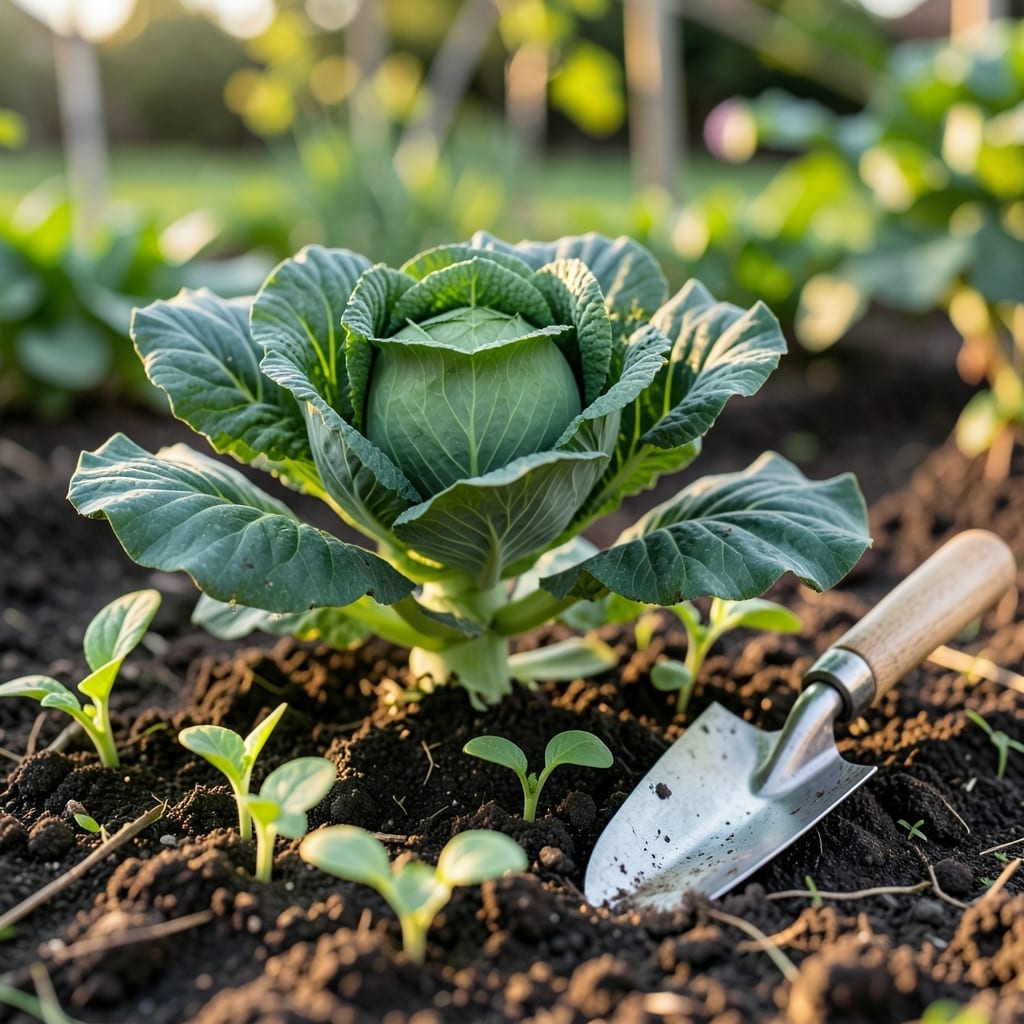
Timing is everything when growing Cabbage 🥬 in Utah’s unique climate. Plant too early and frost may damage your seedlings; plant too late and summer heat can stunt growth.
Utah’s zones 5b-7a offer two prime windows each year for this cool-season crop. The difference between a thriving harvest and a disappointing one often comes down to just a few weeks.
I’ve tested various planting schedules in my own Utah garden, and the results might surprise you. There’s a sweet spot that balances temperature, daylight, and variety selection perfectly.
Discover the exact timing that works for your specific corner of the state. Your most successful cabbage season starts with knowing when to begin.
Utah’s diverse USDA zones (4-9) create unique planting windows for cabbage. The last frost date varies dramatically, from early May in northern zones to mid-April in southern areas. This means your cabbage planting time depends heavily on where you live in the state. 🌱
For best results, soil temperature should be between 40-85°F. In higher elevations, wait until soil warms to at least 45°F before direct sowing. Altitude significantly impacts timing, with mountain areas needing later planting than valley locations. 🌡️
| Zone | Spring Planting | Fall Planting | Last Frost |
|---|---|---|---|
| 4-5 | April 15-May 1 | July 15-August 1 | May 15-30 |
| 6-7 | March 15-April 1 | August 1-15 | April 15-May 10 |
| 8-9 | February 15-March 1 | September 1-15 | March 15-April 1 |
*Start seeds indoors 6-8 weeks before these dates for earlier harvests
In northern Utah (zones 4-5), the short growing season means starting seeds indoors is crucial. I recommend using cold-hardy varieties like Early Jersey Wakefield that can tolerate light frosts. These can often be planted 2-3 weeks before the last frost date. ✂️
For central Utah (zones 6-7), including the Wasatch Front, direct sowing becomes possible in early spring. The ideal window is typically March 15 to April 1. Succession planting every 2 weeks until mid-May ensures a continuous harvest.
In southern Utah (zones 8-9), the mild winters allow for winter cabbage production. Here, you can plant as early as February for spring harvests. For fall crops, aim to plant by September 1 to avoid heat stress during head formation.
The key to success is monitoring soil temperature with a simple thermometer. Cabbage seeds germinate best at 70-75°F, but will tolerate down to 40°F once established. I always recommend using row covers for early plantings to protect from unexpected late frosts. 🌿
Remember that microclimates can create variations even within the same zone. South-facing slopes warm up faster in spring, while valley floors may have cooler nights. Observe your specific location’s patterns for the most accurate timing.
For fall planting, count backward from your first frost date. Most cabbage varieties need 80-90 days to mature. In Salt Lake City (zone 7), this means planting by August 1 for a October harvest before the first frost typically arrives around October 10.
Altitude plays a crucial role in Utah’s planting calendar. For every 1,000 feet increase in elevation, the growing season shortens by about 3-4 days. Gardeners in Park City (7,000 ft) need to adjust their planting dates accordingly compared to those in St. George (2,800 ft).
Choosing between spring and fall planting for cabbage in Utah depends on your goals. Spring offers early harvests but requires vigilance against late frosts and pests like cabbage worms. I’ve found spring works well in lower elevations where soil warms faster.
Fall planting often yields sweeter cabbage with fewer bolting risks. The cooler temperatures reduce stress on plants, but timing is critical to avoid early winter freezes. In my experience, fall crops thrive in higher altitude zones like Park City.
For spring planting, I start seeds indoors 6-8 weeks before the last frost, typically mid-March for most Utah zones. Transplant when soil reaches 40°F and harden off seedlings for 1 week beforehand.
For fall crops, direct sow seeds 8-10 weeks before the first frost. In Salt Lake City (Zone 6), that’s around late July. Use row covers to extend the season as temperatures drop.
I prefer fall planting in Utah for its superior flavor and lower maintenance. The cooler weather reduces watering needs and pest pressure while producing tighter heads. ☀️
Remember, variety selection matters. For spring, choose early maturing types like Golden Acre. For fall, opt for cold-hardy varieties such as January King or Winterbor. 🌱