
Beautiful Plants For Your Interior
Beautiful Plants For Your Interior
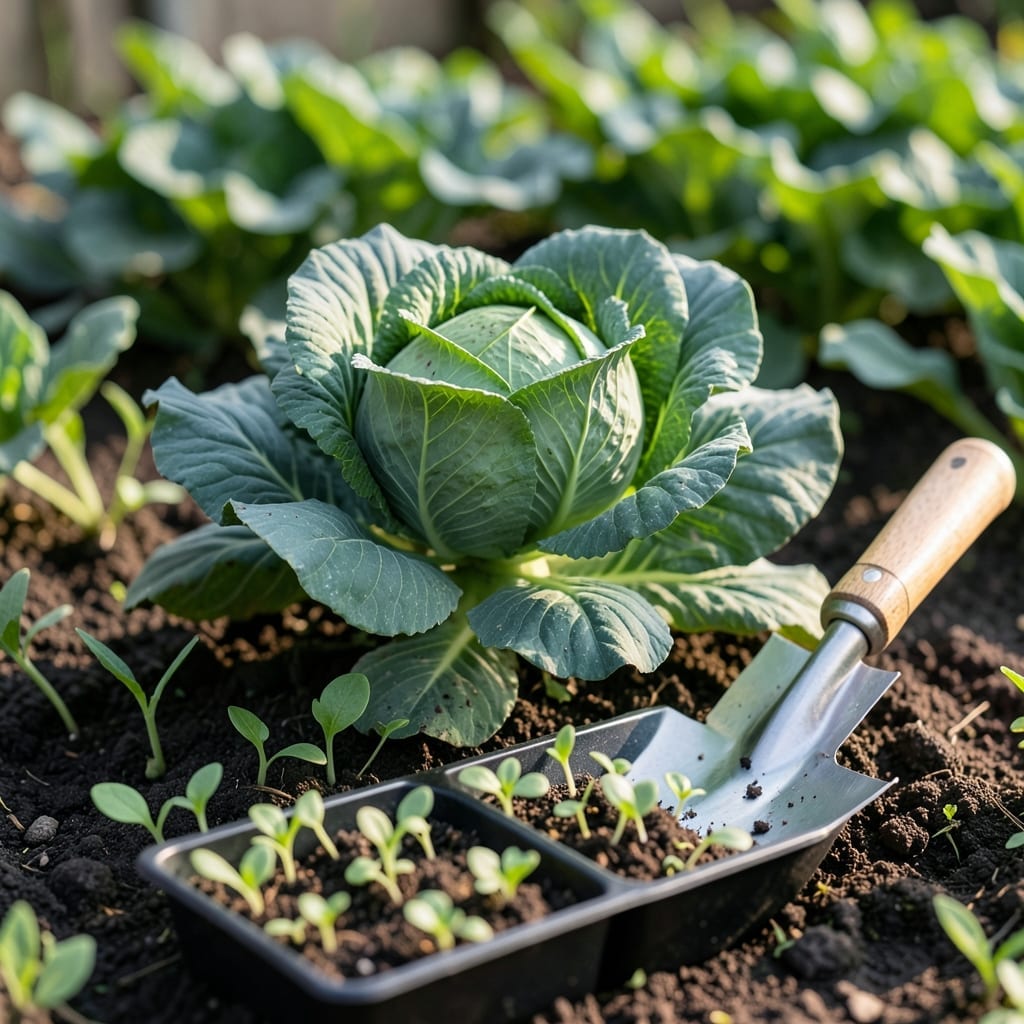
Timing is everything when growing cabbage in Colorado’s unpredictable climate. Plant too early or too late, and you risk stunted growth, bolting, or frost damage. I’ve seen it happen too many times to gardeners eager to get started.
The 🥬 cabbage thrives in cooler temperatures, making spring and fall the most important seasons for planting. But knowing the exact windows can be the difference between success and frustration.
In zones 5b-7a, timing your planting around frost dates is non-negotiable. Whether you’re starting seeds indoors or direct sowing, getting this right sets the stage for a bountiful harvest.
Discover the precise months to plant cabbage in Colorado and how to work with the state’s unique climate. Your garden will thank you for it.
Colorado’s diverse climate zones mean cabbage planting times vary significantly. The Front Range and High Plains have different frost dates than the Western Slope or mountainous areas. I always check local last frost dates before sowing. 🌱
For most of Colorado, spring cabbage can be direct-sown 2-3 weeks before the last frost, typically mid-March to early April. Fall plantings should start 60-80 days before the first frost, usually late July to early August. ☀️
| Region | Spring Planting | Fall Planting | Last Frost Date |
|---|---|---|---|
| Front Range | March 15 – April 1 | July 20 – August 1 | May 15 |
| High Plains | March 25 – April 10 | July 15 – July 30 | May 10 |
| Western Slope | March 1 – March 20 | July 25 – August 10 | May 20 |
In the mountain regions, the growing season is shorter. I recommend starting seeds indoors 6-8 weeks before transplanting. This gives the cabbage plants a head start in cooler climates. 🌿
Soil temperature is crucial for germination. Cabbage seeds need 40-85°F to sprout. I use a soil thermometer to check conditions before planting. Too cold, and seeds won’t germinate properly.
For fall cabbage, timing is even more critical. Plant too late, and early frosts can damage young plants. I aim to have seedlings in the ground by early August in most areas. This ensures a harvest before winter sets in.
Succession planting can extend your harvest. I sow a new batch of seeds every 2-3 weeks during the planting window. This way, I get a continuous supply of fresh cabbage rather than one large harvest.
Remember, microclimates can affect planting times. A south-facing garden warms up faster in spring. I’ve noticed my cabbage thrives in these spots, even when planted a week earlier than recommended.
Row covers are my secret weapon for early plantings. They protect young plants from late frosts and cold snaps. I remove them once temperatures consistently stay above 40°F at night. ✂️
Variety selection matters too. Early maturing types like ‘Golden Acre’ do well in short-season areas. For longer growing seasons, I prefer ‘King Cole’ or ‘Red Express’ for their larger heads.
Colorado’s short growing season doesn’t have to limit your cabbage harvests. With a few smart strategies, I’ve managed to stretch my cabbage crops well beyond the typical windows. The key is working with, not against, the state’s temperature swings. ☀️
Start seeds indoors 6-8 weeks before the last frost (around May 15) for an early jump. Use cold frames or row covers to protect young plants from late spring chills. These tools are game-changers for Colorado gardeners.
For fall planting, aim to have your cabbage in the ground 60-80 days before the first frost (typically October 15). This timing ensures your plants mature before the cold sets in. Succession planting every few weeks guarantees a continuous harvest.
I’ve found that mulching heavily with straw helps maintain soil warmth and moisture. It’s a simple step that makes a big difference in Colorado’s dry climate. Don’t overlook this easy protection method. 🌱
Row covers are another essential tool. They shield plants from sudden temperature drops and can add several weeks to your growing season. Just
Finally, choose the right varieties. Early-maturing types like ‘Golden Acre’ or ‘Early Jersey Wakefield’ are perfect for Colorado. They’re ready to harvest in about 60 days, fitting neatly into our shorter seasons. ✂️