
Beautiful Plants For Your Interior
Beautiful Plants For Your Interior
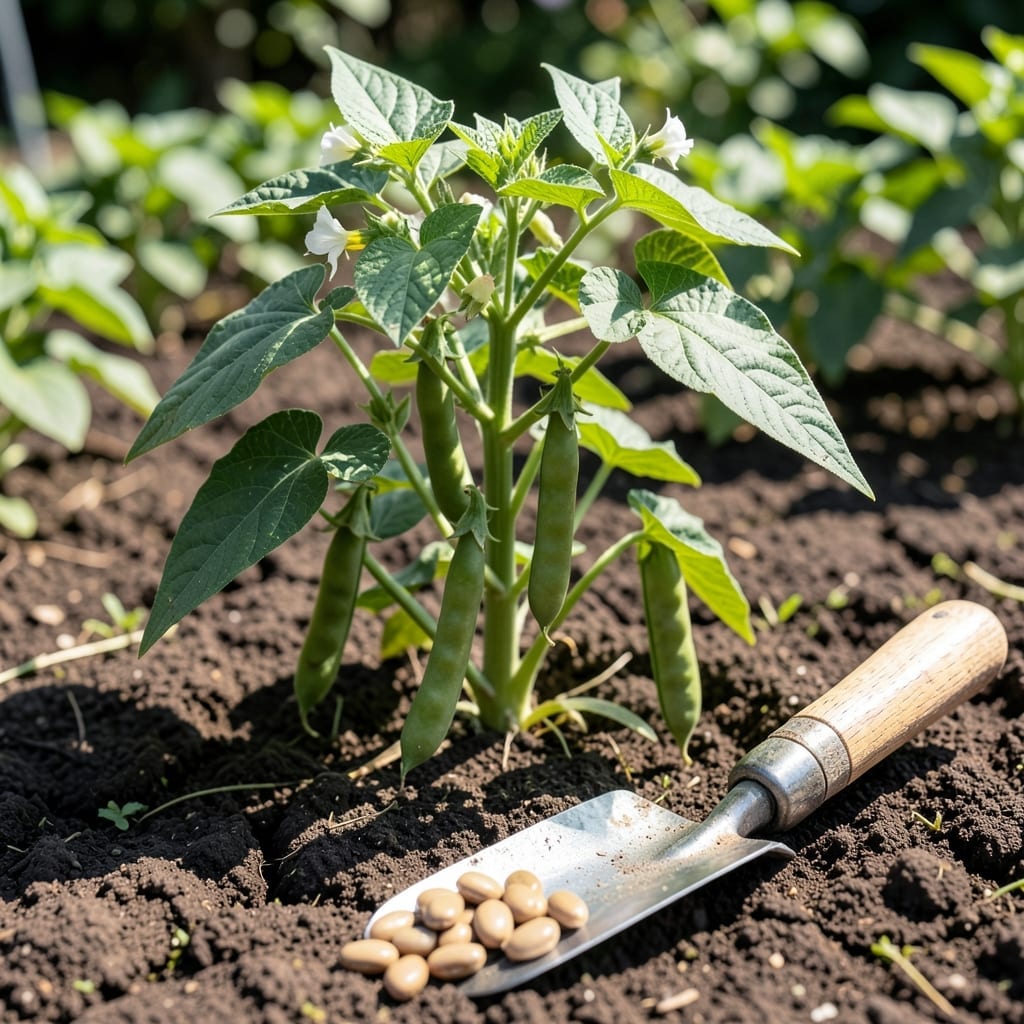
Timing is everything when planting Bush Beans in Florida’s unique climate. Plant too early or too late, and you risk a poor harvest.
I learned the hard way that this state’s 8a-10b zones demand precision. The difference between thriving plants and a failed crop often comes down to just a few weeks.
Whether you’re a seasoned gardener or just starting, understanding Florida’s seasonal rhythms is the key to success with 🌱 Bush Beans. The windows are narrower than you might think.
Let me show you exactly when to get those seeds in the ground for the best possible yield this season.
Florida’s subtropical climate offers unique advantages for growing bush beans, but timing is critical. I’ve found that Zone 9 gardeners have two reliable planting windows to avoid extreme heat or cold snaps.
For spring planting, aim for February to early March. This allows seeds to germinate in warmer soil before summer’s intense heat arrives. A second window opens in late August to September for a fall harvest.
🌱 Bush Beans Planting Guide for Florida Zone 9
| Season | Planting Window | Harvest Time |
|---|---|---|
| Spring | February – March | May – June |
| Fall | August – September | October – November |
Soil temp: 60°F+ | Sun: 6-8 hrs/day
I always check soil temperature before planting—60°F is the magic number for reliable germination. Use a soil thermometer to confirm conditions, especially in early spring when nights can still be cool.
For fall planting, start seeds 8-10 weeks before your area’s first expected frost. In Zone 9, this typically means sowing by mid-September to allow pods to mature before cooler weather slows growth.
Avoid summer planting in Florida—extreme heat above 90°F can prevent flowers from setting pods. I’ve learned this the hard way after watching entire crops fail during July’s peak temperatures.
If you’re eager to extend your season, succession planting works well. Sow a new batch every 2-3 weeks within your planting window for continuous harvests. This technique keeps my kitchen stocked with fresh beans for months.
Morning sun is ideal for bush beans in Florida’s intense climate. I position my rows to receive east-facing light, which provides warmth without the harsh afternoon glare that can scorch young plants.
Remember that well-draining soil is non-negotiable. Florida’s frequent rains can waterlog beds, so I amend with compost and create raised rows to improve drainage. This prevents root rot and keeps plants thriving.
Finally, keep seeds 1-1.5 inches deep and 4-6 inches apart in rows spaced 18-24 inches apart. This spacing allows for good air circulation, which is crucial for preventing fungal diseases in our humid climate. ☀️
Florida’s subtropical climate creates unique challenges for bush bean growth. The intense summer heat can stress plants, while high humidity encourages fungal diseases if not managed properly.
I’ve found that spring planting often yields the best results, but fall planting can also thrive if timed before the first frost. The key is monitoring soil temperature and moisture levels closely.
🌱 Florida Season Impact
Spring offers ideal temperatures (70-80°F) for germination, while summer’s 90°F+ heat can stunt growth. Fall planting benefits from cooler nights and reduced pest pressure.
During summer, I recommend shade cloth to protect plants from scorching sun. This simple step can prevent leaf burn and improve pod production significantly.
The rainy season in Florida can lead to overwatered soil, which bush beans dislike. Ensure your garden beds have excellent drainage to prevent root rot and other issues.
For optimal yield, plant in well-draining soil with plenty of organic matter. This helps retain moisture without waterlogging, which is crucial during Florida’s unpredictable weather.
Finally, morning watering is essential. It allows foliage to dry quickly, reducing the risk of fungal diseases that thrive in Florida’s humid environment.
With these adjustments, you can enjoy a bountiful harvest despite the challenges of Florida’s climate 🌿