
Beautiful Plants For Your Interior
Beautiful Plants For Your Interior
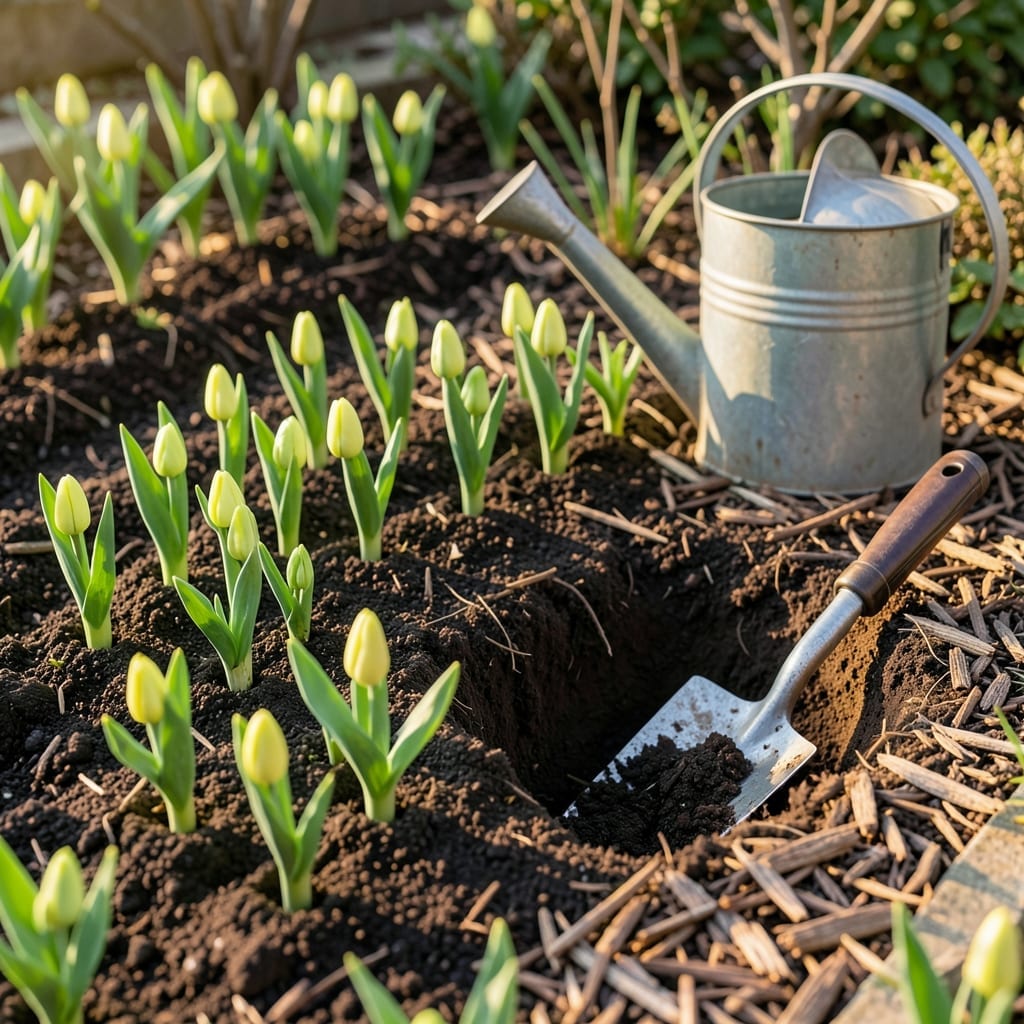
Timing is everything when planting Spring Bulbs—plant too early, and frost may ruin them; too late, and you’ll miss the blooming season.
I’ve learned the hard way that getting this right makes all the difference. The 🌷 Spring Bulbs you love need just the right conditions to thrive.
Whether you’re in zone 6 or elsewhere, the planting window is most important for vibrant blooms. Don’t leave it to chance.
Discover the perfect timing to ensure your garden bursts with color when it matters most.
Timing your spring bulb planting perfectly ensures vibrant blooms. I’ve found that tulips and daffodils thrive when planted in early spring, just as the soil warms up. This timing allows roots to establish before summer heat arrives.
For crocuses and hyacinths, aim for late winter or very early spring. These bulbs are hardy and can handle cooler temperatures, making them ideal for early color in your garden.
| Bulb Type | Ideal Planting Time | USDA Zones |
|---|---|---|
| Tulips | Early Spring (March) | 4-7 |
| Daffodils | Early Spring (March) | 3-8 |
| Crocuses | Late Winter (Feb) | 3-8 |
| Hyacinths | Late Winter (Feb) | 4-8 |
The soil temperature is a critical factor. I always check that it’s consistently above 40°F before planting. This ensures bulbs won’t rot or fail to sprout due to cold shock.
In warmer climates like Zone 8-10, you can plant bulbs as late as early April. However, in colder regions (Zones 3-5), stick to March to avoid late frosts that could damage new growth.
For perennial bulbs, timing also affects their longevity. Planting alliums and lilies in early spring gives them a full growing season to establish strong root systems for next year’s blooms.
I recommend using a soil thermometer to monitor conditions. When the soil reaches 50-55°F at a 4-inch depth, it’s the perfect time to start planting most spring bulbs.
Don’t forget about container gardening. If you’re planting bulbs in pots, you can start them indoors in late winter and move them outside once the weather warms up.
Remember that drainage is just as important as timing. Bulbs planted in waterlogged soil will rot, no matter how perfect your timing is. I always amend heavy soil with compost or sand before planting. ☀️
Finally, consider succession planting. By staggering your bulb planting every 2 weeks, you can enjoy continuous blooms from early spring through summer. This technique works especially well with tulips and daffodils.
I know you’re eager to get those spring bulbs in the ground for a colorful garden. But timing isn’t the only factor—how you plant them matters just as much for vibrant blooms. Let me walk you through the process.
First, I always check that the soil temperature is below 60°F before planting. This ensures bulbs develop strong roots before winter. Loosen the soil to 12 inches deep and mix in compost for better drainage.
When planting, I use a trowel or bulb planter to dig holes. For tulips and daffodils, aim for 6-8 inches deep. Smaller bulbs like crocuses need only 3-4 inches. Always place them pointy side up.
After planting, I water deeply to help roots establish. Avoid overwatering, as soggy soil can cause rot. A light layer of mulch helps protect bulbs from temperature swings and retains moisture.
Once in the ground, I mark the spots with garden flags or sticks. This prevents accidental digging. In colder zones, I add extra mulch or straw for insulation against winter frost.
Finally, I monitor the area for early sprouts in late winter. If frost threatens, I cover them with burlap or frost cloth. With these steps, my bulbs always reward me with gorgeous spring blooms 🌷