
Beautiful Plants For Your Interior
Beautiful Plants For Your Interior
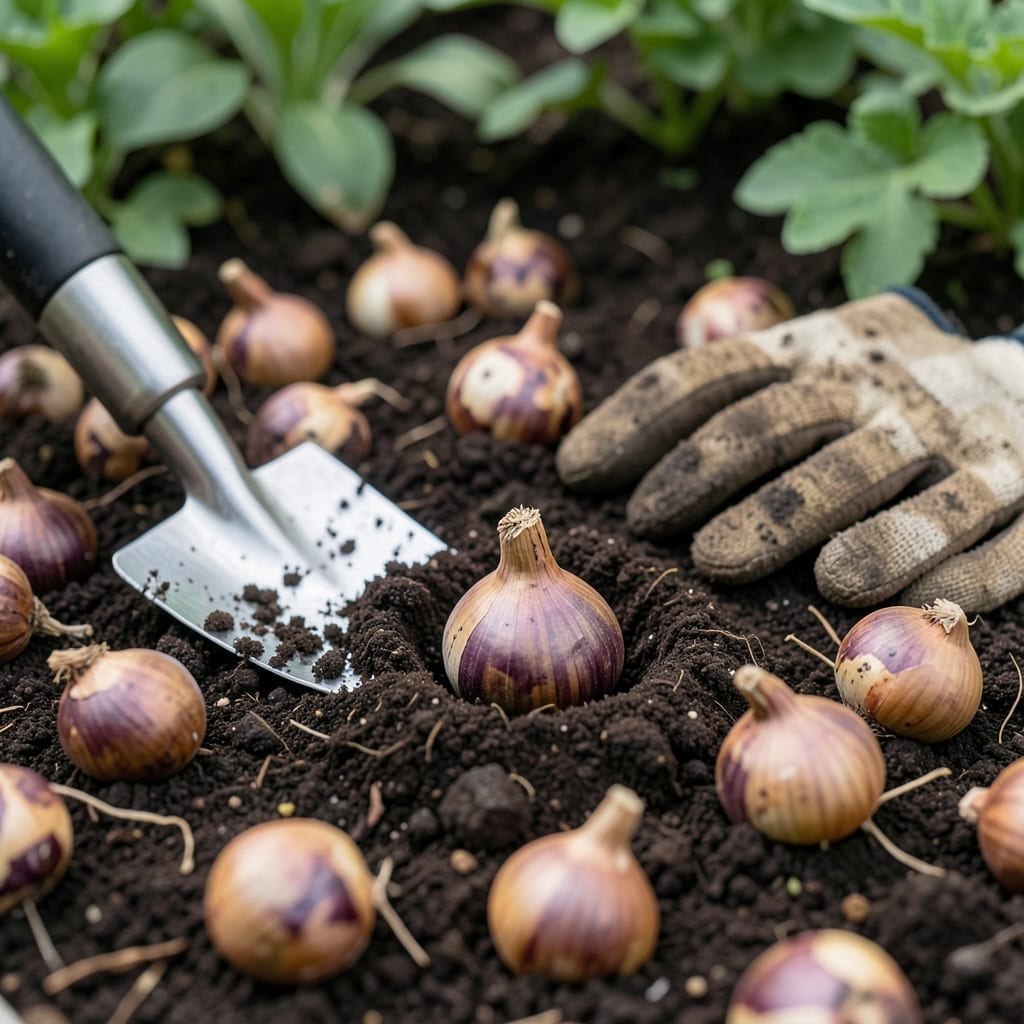
Planting bulbs at the right time is the secret to a garden bursting with color year after year. Whether you dream of spring tulips or summer dahlias, timing is everything.
I’ve seen 🌷 Bulbs planted in October – November transform into the most vibrant displays by spring. Getting this window right means your garden will thank you with blooms that last from spring to early summer.
In USDA zone 6, the fall season offers the perfect conditions for bulbs to establish roots before winter. This head start is what gives you those stunning flowers when warmer weather arrives.
Discover how to make the most of this planting window. With the right timing, you’ll be rewarded with a garden that looks like it was designed by a professional.
I’ve found that timing bulb planting perfectly makes all the difference between a lackluster garden and one that bursts into vibrant color. For spring blooms like tulips and daffodils, fall is your window.
These bulbs need 6-8 weeks of cool soil to establish roots before winter. Summer bloomers like dahlias and gladiolus, however, thrive when planted in spring after frost danger passes.
| Variety | Planting Time | Bloom Season |
|---|---|---|
| Tulips | Fall | Spring |
| Daffodils | Fall | Early Spring |
| Dahlias | Spring | Summer |
| Gladiolus | Spring | Summer |
In USDA zones 6-7, I aim to plant spring bulbs in October or November. This gives them enough time to root deeply before the ground freezes.
For warmer zones like 8-10, you can plant as late as December or even early January. The key is soil temperature below 60°F to prevent premature sprouting.
I always check my local frost dates and count backward 6 weeks from the first expected frost. This ensures my bulbs get the cold period they need.
Summer bulbs are different. I wait until soil warms to at least 55°F in spring. In my experience, planting too early in cold soil leads to rotten bulbs.
For dahlias and cannas, I start them in pots indoors about 4 weeks before the last frost, then transplant. This gives them a head start in shorter growing seasons.
I’ve learned that soil preparation is just as crucial as timing. I always loosen the soil to 12 inches deep and mix in compost for better drainage.
Remember, bulb depth matters too. As a rule, I plant bulbs at a depth 2-3 times their height. This protects them from temperature swings and pests.
With these timing tips, I’ve enjoyed reliable blooms year after year. The secret is working with nature’s rhythm, not against it 🌷
Timing your bulb planting perfectly depends on your USDA hardiness zone and local frost dates. I always check when my area typically gets its first frost to plan accordingly. In colder zones, fall planting happens earlier than in warmer regions.
For most gardeners, the sweet spot is 6 weeks before the ground freezes. This gives bulbs time to establish strong roots before winter. I’ve found that soil temperature below 60°F is ideal for spring bloomers.
In my experience, spring-blooming bulbs like tulips and daffodils need that cold period to trigger blooming. That’s why we plant them in fall. For summer bloomers like dahlias, I wait until all danger of frost has passed.
Local microclimates can affect timing too. If you live near a body of water or in a urban heat island, your planting window might shift. I recommend using a soil thermometer to check conditions at bulb depth.
Remember that container-grown bulbs have different needs. They’re more susceptible to freeze damage, so I plant them a bit later or provide winter protection. Always water thoroughly after planting to help roots get established.
By adjusting your schedule based on these factors, you’ll ensure your bulbs get the perfect start for a spectacular bloom season. I’ve seen dramatic differences in blooming success just by planting at the optimal time for my specific conditions. ✂️