
Beautiful Plants For Your Interior
Beautiful Plants For Your Interior
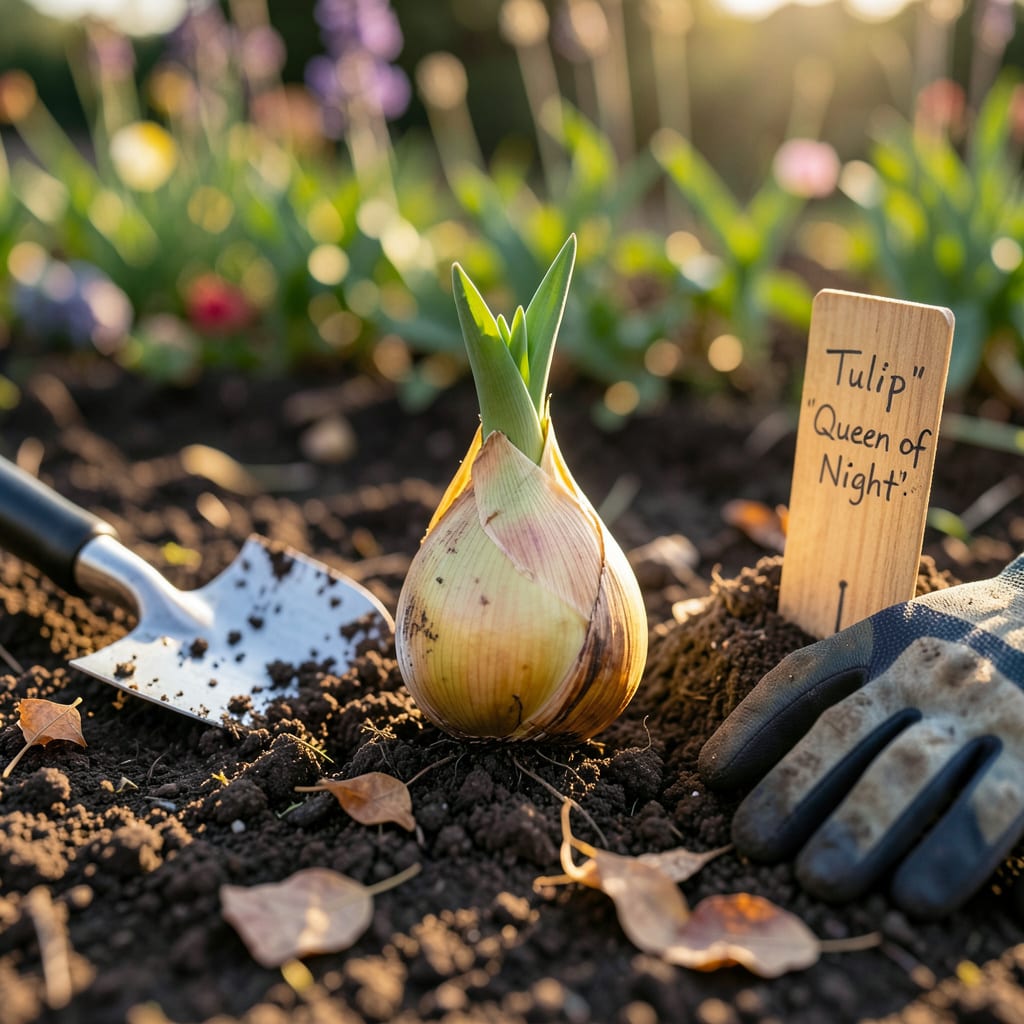
Oregon’s unpredictable weather can turn bulb planting into a guessing game—plant too soon, and winter rains might rot them; wait too long, and you’ll miss the ideal window for those vibrant spring blooms. I’ve seen gardeners in Portland and Bend struggle with the same question: when’s the perfect moment to get those bulbs in the ground?
The answer isn’t one-size-fits-all. Whether you’re in the misty coast, the Willamette Valley, or the high desert, timing varies—and it’s not just about the calendar. Let me break down the zone-specific secrets to ensure your 🌱 bulbs thrive, no matter where in Oregon you call home.
If you’ve ever wondered why your neighbor’s tulips bloom earlier or your dahlias struggle, it’s likely about timing. Oregon’s diverse microclimates—from the coastal fog of Astoria to the high desert of Bend—mean planting windows vary dramatically. Get it right, and you’ll enjoy months of vibrant color.
I’ve broken down the ideal planting months by Oregon’s USDA zones, focusing on spring-blooming bulbs (like crocuses and hyacinths) and summer stars (such as lilies and gladioli). Whether you’re in Zone 7b Portland or Zone 5 Klamath Falls, this guide ensures your bulbs thrive.
| Zone | Region | Spring-Blooming Bulbs | Summer-Blooming Bulbs | Notes |
|---|---|---|---|---|
| 7b-8a | Willamette Valley | Oct–Nov | Apr–May | Mild winters allow earlier planting; avoid soggy soil. |
| 8b-9a | Coastal | Nov–Dec | Mar–Apr | Cooler summers extend summer bulb planting windows. |
| 5b-6a | High Desert | Sep–Oct | May–Jun | Plant deeper (6–8″) to protect from frost. |
| 6b-7a | Southern Oregon | Oct–Nov | Apr–May | Watch for late frosts—mulch after planting. |
In the Willamette Valley (Zones 7b–8a), I recommend planting spring-blooming bulbs like daffodils and tulips in October or November. The soil stays workable longer here, but avoid planting if the ground is waterlogged from early rains.
For coastal gardeners (Zones 8b–9a), you’ve got a bit more flexibility. November through December works for spring bloomers, while summer bulbs like dahlias can go in as late as April. Just ensure your site has good drainage—coastal soils can stay damp.
If you’re in Central or Eastern Oregon (Zones 5b–6a), earlier is better. Plant spring bulbs by mid-October to give roots time to establish before the ground freezes. For summer bulbs, wait until soil temps reach 60°F—usually late May or June.
No matter your zone, soil prep is key. Oregon’s heavy clay soils (especially in Portland) benefit from compost or sand to improve drainage. I like to add a 2-inch layer of mulch after planting to protect bulbs from temperature swings and weeds.
Watch out for slugs and snails—they love tender bulb shoots! In western Oregon, I use beer traps or diatomaceous earth around emerging plants. For drier regions, gophers can be an issue; try planting bulbs in wire cages or using repellent plants like alliums.
For low-maintenance options, consider native bulbs like Camassia or Erythronium (fawn lily). These thrive in Oregon’s conditions with minimal fuss. Pair them with drought-tolerant alliums for a pollinator-friendly garden that blooms from spring to summer.
Remember, bigger bulbs (like dinner-plate dahlias) need more space—plant them 12–18 inches apart. Smaller bulbs (such as crocuses) can be tucked into rock gardens or lawns for a naturalized look. Always plant pointy-end up, about 2–3 times deeper than the bulb’s height.
Pro tip: Keep a gardening journal to track bloom times and adjust planting dates yearly. Oregon’s weather can vary, and noting when your first crocuses appear helps fine-tune future schedules. With the right timing, you’ll have a sequential bloom from February snowdrops to August gladioli! 🌷
Even experienced gardeners can sabotage their bulb displays with simple oversights. Oregon’s wet winters and variable microclimates make timing and technique especially tricky. I’ve seen entire beds of tulips rot because of one avoidable error—let’s make sure that doesn’t happen to you.
From planting depth to soil prep, these mistakes might seem minor, but they can mean the difference between a spectacular spring show and a no-show garden. Coastal gardeners face different challenges than those in the high desert, so I’ll tailor fixes to your specific region.
In western Oregon (Zones 7–9), the biggest mistake is planting in waterlogged soil. Our rainy season starts early, so I always check soil moisture before planting. If it forms a ball when squeezed, wait a few days. For clay-heavy soils (common in Portland), mix in compost and perlite to improve drainage.
For eastern Oregon gardeners (Zones 5–6), frost heave is the enemy. When soil freezes and thaws repeatedly, it can push bulbs out of the ground. To prevent this, plant 1–2 inches deeper than recommended and add a thick mulch layer. I like using shredded leaves—they insulate and break down to feed the soil.
Another common error? Fertilizing at planting time. Fresh bulbs don’t need food—they’re packed with energy. Instead, I apply a low-nitrogen fertilizer (like 5-10-10) in early spring when shoots emerge. Too much nitrogen = lush leaves but fewer blooms. Stick to phosphorus-heavy feeds for flower power.
Don’t forget about pest prevention! In the Willamette Valley, slugs and snails devour emerging bulb shoots overnight. I set up beer traps in early spring or sprinkle iron phosphate bait (pet-safe). For Central Oregon, where gophers and voles dig up bulbs, try planting in wire mesh baskets or interplanting with daffodils—critters avoid their toxic bulbs.
Finally, label your bulbs! It’s easy to forget what you planted where, especially if you’re layering bulbs for successive blooms. I use color-coded popsicle sticks (green for spring bloomers, red for summer) and note the variety. Come spring, you’ll thank yourself when you can identify ‘Ice Follies’ daffodils from ‘Darwin Hybrid’ tulips as they emerge.
Remember, Oregon’s microclimates can vary block by block. If your neighbor’s crocuses bloom a month earlier, take notes! Adjust your planting time next year by 1–2 weeks based on what you observe. Gardening is part science, part art—and in Oregon, it’s all about working with the weather, not against it. 🌿
Not all bulbs thrive in Oregon’s diverse climates, but the right varieties will reward you with years of reliable blooms. From the moisture-loving Willamette Valley to the arid high desert, I’ve tested dozens of bulbs to find the best performers for each region. Let’s dig into the standouts!
For western Oregon (Zones 7–9), focus on bulbs that tolerate wet winters and mild summers. My top picks include Camassia (native to the PNW), Fritillaria meleagris (snake’s head fritillary), and Narcissus ‘Tête-à-Tête’—a compact daffodil that naturalizes beautifully. These handle our rainy springs without rotting.
In Central/Eastern Oregon (Zones 5–6), prioritize drought-resistant bulbs that survive freezing temps. My go-tos: Tulip ‘Greigii’ (with striped leaves), Allium ‘Globemaster’ (giant purple orbs), and Iris reticulata (early bloomer). These handle cold snaps and dry summers like champs.
For coastal gardens (Zones 8b–9a), embrace bulbs that love cool, moist conditions. Try Lilium ‘Stargazer’ (fragrant and bold), Hyacinth ‘Delft Blue’ (heavenly scent), and Anemone blanda (delicate but tough). Pair them with fern companions to mimic their native woodland habitats.
Want low-maintenance options? Native Erythronium (fawn lily) and Brodiaea thrive with zero fuss. For cut flower lovers, Dahlia ‘Café au Lait’ (Zone 7+) and Gladiolus ‘Green Star’ add drama. Just stake tall varieties to prevent wind damage in exposed areas.
Pro tip: Layer bulbs for months of color. Plant crocuses (deepest), then tulips, then alliums (shallowest). As one fades, the next emerges! In Oregon’s unpredictable climate, this ensures your garden stays vibrant from February to July. 🌼
Improve drainage by amending soil with compost and perlite, especially in clay-heavy areas like Portland. Plant bulbs on raised beds or slopes to prevent waterlogging, and add a 2-inch gravel layer beneath them for extra protection.
Containers let you control soil quality and move plants to shelter during extreme weather. Use pots with drainage holes and a well-draining potting mix. In winter, group containers near a south-facing wall for warmth.
Apply a 3–4 inch mulch layer (straw or shredded leaves) after planting to insulate soil. In frost-prone areas like Bend, cover emerging shoots with frost cloth overnight. Avoid plastic—it traps moisture and can cause rot.
For low-maintenance spreads, try daffodils (Narcissus ‘Tête-à-Tête’), Camassia, or crocuses. These thrive in Oregon’s conditions and multiply over years. Avoid invasive species like Spanish bluebells—they can overtake native plants.
