
Beautiful Plants For Your Interior
Beautiful Plants For Your Interior
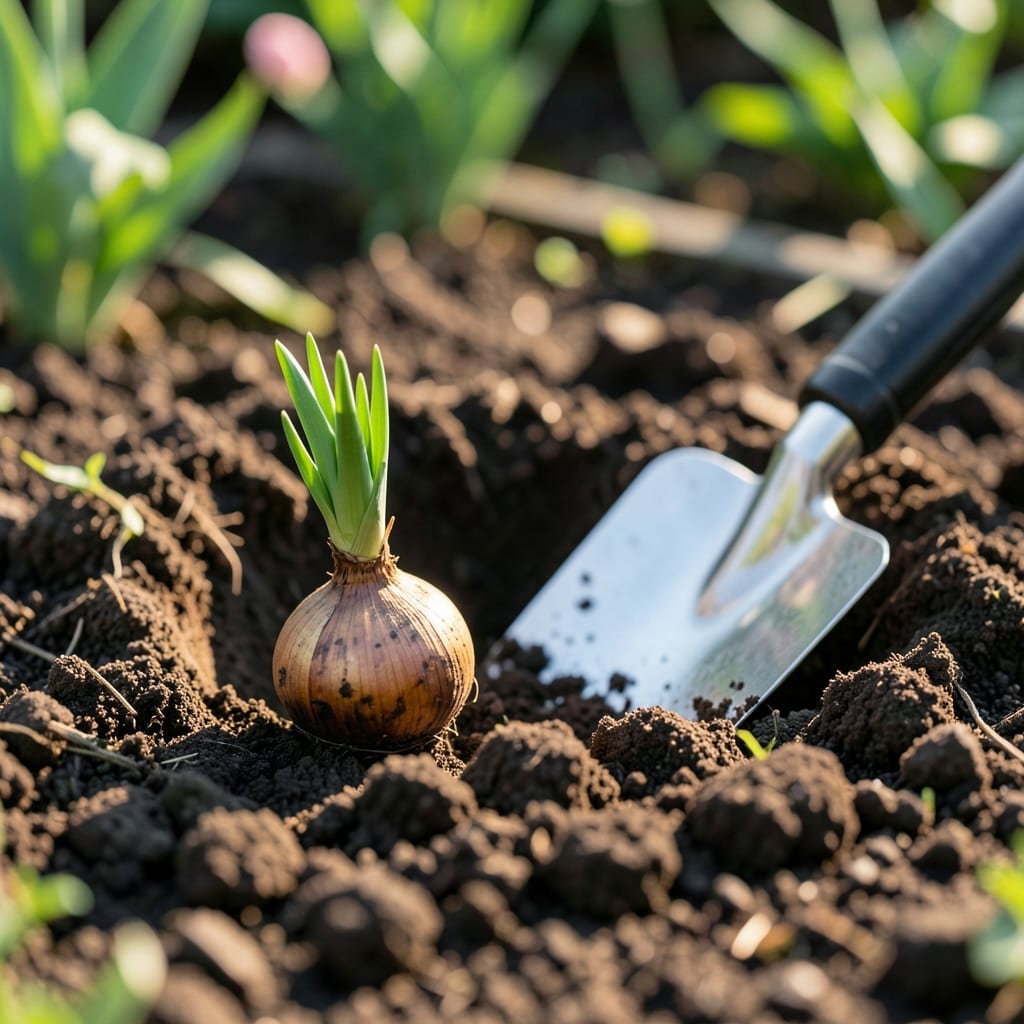
Timing is everything when planting 🌷 Bulbs in New England. Plant too early and they may sprout prematurely, too late and they’ll miss their spring debut.
As the crisp fall air settles in, gardeners face a critical question: when’s the right moment to get those bulbs in the ground? The answer lies in New England’s unique climate and soil conditions.
I’ve spent years perfecting the timing for vibrant spring blooms, and what I’ve learned will save you from common pitfalls. Whether you’re planting tulips, daffodils, or crocuses, the window is narrower than you think.
Discover the perfect fall window to ensure your bulbs thrive. Let’s dig into the details that make all the difference.
New England’s USDA zones 5a-7b demand precise timing for bulb planting. The ideal window is 6 weeks before the first hard frost, typically mid-September to November. This gives bulbs time to root before winter dormancy.
In cooler zones 5a-6a, I aim for late September to early October, while warmer zones 6b-7b can stretch planting into late October or early November. Timing varies slightly by bulb type and local microclimates.
| Bulb Type | Planting Time | Depth |
|---|---|---|
| Tulips | Mid-October | 6-8 inches |
| Daffodils | Late September | 6-8 inches |
| Crocuses | Early October | 3-4 inches |
| Hyacinths | Late September | 6-7 inches |
For tulips and daffodils, I always plant 6-8 inches deep to protect against freezing. Shallower depths work for smaller bulbs like crocuses, which thrive at 3-4 inches deep. Depth matters for insulation and root development.
Soil temperature is another critical factor. Bulbs need consistent temps below 60°F to trigger root growth. In New England, this typically occurs by late September, making it a reliable starting point.
I’ve found that earlier planting in zone 7b (like coastal Connecticut) works well, while higher elevations in Vermont or New Hampshire may require waiting until early October to avoid premature sprouting.
For naturalizing bulbs like daffodils, I plant in drift patterns rather than straight rows. This creates a more organic, wildflower-like appearance come spring. It also helps with pollinator attraction.
Don’t forget to mark your planting spots! I use biodegradable flags or small stones to remember where bulbs are buried. This prevents accidental digging or disturbing the area during fall cleanup.
Finally, I always water thoroughly after planting to help settle the soil and eliminate air pockets. A 2-3 inch layer of mulch after the ground freezes adds extra protection against winter temperature swings.
This approach ensures my New England bulbs emerge strong and vibrant each spring 🌷
Preparing your soil properly is the secret to success for New England bulb planting. The region’s variable weather demands well-draining soil to prevent rot and disease. I always start by testing my soil’s pH level—aim for 6.0 to 7.0 for most bulbs.
Loosen the soil to a depth of 12 inches and mix in organic compost or aged manure. This improves aeration and nutrient content, giving your bulbs a strong foundation for root growth before winter.
If your soil is heavy clay, add coarse sand or peat moss to improve drainage. Tulips and daffodils hate soggy roots, so this step is critical in New England’s wet falls.
I also recommend adding a layer of mulch after planting to insulate the soil and retain moisture. Use straw or shredded leaves—avoid wood chips, as they can slow bulb emergence in spring.
Finally, water your bulbs thoroughly after planting to help roots establish. In New England, early fall rains often do this naturally, but supplemental watering ensures they’re settled before the first frost. 🌱
With these steps, your bulbs will have the best chance to thrive through winter and burst into bloom when spring arrives. Consistent soil prep makes all the difference in New England’s unpredictable climate. 🌿