
Beautiful Plants For Your Interior
Beautiful Plants For Your Interior
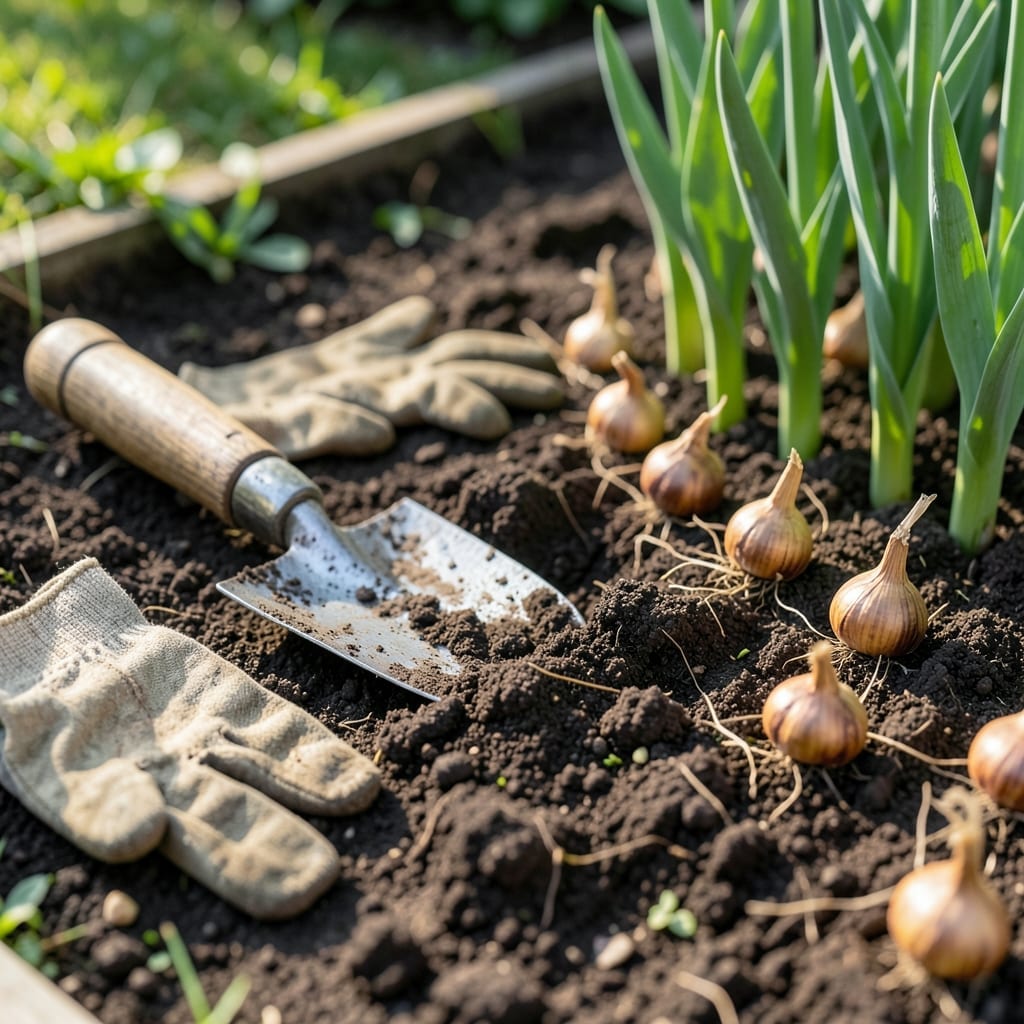
Timing is everything when planting Bulbs in Minnesota’s Zone 4a climate. Plant too early or too late, and you risk losing your investment to frost, rot, or poor blooming.
This guide reveals the exact windows for spring and fall planting success with Bulbs 🌷. Whether you’re a seasoned gardener or just starting out, knowing when to plant is the key to vibrant blooms.
I’ll walk you through the optimal schedule, considering our unique frost dates and soil conditions. You’ll discover how to time your planting for maximum impact.
From tulips to daffodils, get ready to transform your garden with perfectly timed Bulbs. Let’s dig into the details that make all the difference.
Minnesota’s Zone 4 climate demands precise timing for bulb planting. Spring-blooming bulbs like tulips and daffodils thrive when planted in fall, while summer bloomers need spring planting. The key is working with frost dates and soil temperatures to ensure success.
For spring flowers, aim for September to October planting. This gives roots 6 weeks to establish before the ground freezes. Summer-blooming bulbs like dahlias should go in after the last frost, typically mid-May in Minnesota.
| Bulb Type | Planting Season | Optimal Months | Soil Temp |
|---|---|---|---|
| Tulips | Fall | Sept-Oct | 50-60°F |
| Daffodils | Fall | Sept-Oct | 55-65°F |
| Dahlias | Spring | May-June | 60°F+ |
| Lilies | Spring/Fall | Apr-May or Sept | 55°F+ |
I always check the soil temperature with a thermometer before planting. For fall bulbs, 50-60°F is ideal. This ensures roots grow but tops stay dormant until spring. Planting too early in warm soil can cause premature sprouting.
Spring-planted bulbs need warmer soil to avoid rot. In Minnesota, I wait until soil reaches 60°F at 6-inch depth. Dahlias and gladiolus are perfect examples—they’ll rot in cold, wet spring soil if planted too soon.
The first frost date in Minnesota is typically October 10. I finish planting spring-blooming bulbs by early November at the latest. This gives them enough time to establish roots before winter dormancy.
For summer bloomers, the last frost date is my guide. In Zone 4, that’s around May 15. I plant tender bulbs like cannas and elephant ears after this date to avoid frost damage.
I’ve found that clay soil common in Minnesota needs amendment. Adding compost or sand improves drainage, which is crucial for bulb health. Tulips especially hate waterlogged soil.
Mulching is another key step in our climate. After planting fall bulbs, I add a 2-3 inch layer of straw or shredded leaves. This insulates the soil and prevents freeze-thaw cycles that can heave bulbs out of the ground.
Remember that deeper planting offers more protection. In Minnesota, I plant most bulbs 2-3 times deeper than their height. For tulips, that means 6-8 inches deep to guard against our harsh winters.
Finally, I mark my planting spots with biodegradable flags or popsicle sticks. This prevents accidental digging in spring before foliage emerges 🌷
Minnesota’s Zone 4 climate demands extra care when planting bulbs. I’ve learned that soil prep is half the battle—well-draining soil prevents rot during our wet springs and cold winters. 🌱
Always test your soil first. Our clay-heavy ground can suffocate bulbs if not amended with compost or sand. This simple step boosts root growth and winter survival. 🌿
I always mark my planting spots with biodegradable flags. It’s easy to forget where bulbs are buried, especially under snow. This prevents accidental digging come spring. 🪴
For clay soil, I mix in gypsum or pine fines to break it up. This improves root penetration and prevents waterlogging, which is critical in Minnesota’s freeze-thaw cycles.
Remember, fall planting should happen 6 weeks before the ground freezes—usually mid-September to October here. This gives roots time to establish before winter.
Finally, fertilize at planting with a 5-10-10 mix. A little phosphorus goes a long way in helping bulbs store energy for next year’s blooms. ☀️