
Beautiful Plants For Your Interior
Beautiful Plants For Your Interior
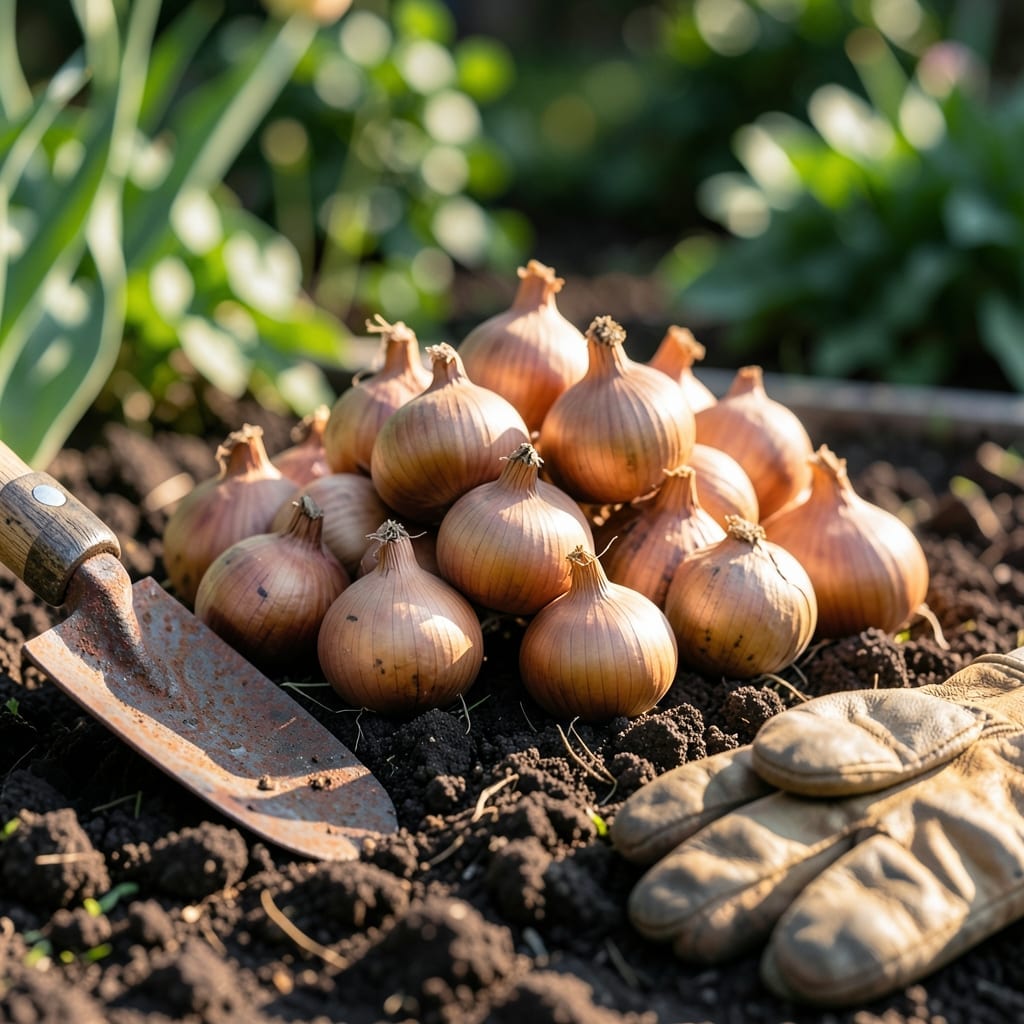
Timing is everything when planting bulbs in Kansas—plant too early or too late, and you might miss out on a stunning spring bloom or fall harvest.
This guide breaks down the ideal planting windows for Kansas gardeners based on hardiness zones, soil conditions, and bulb types. I’ve tested these methods myself, and the results speak for themselves.
Whether you’re new to gardening or a seasoned pro, getting the timing right ensures your 🌷 bulbs thrive. Let’s dig into the specifics so you can plan with confidence.
Discover the best practices for your zone and set your garden up for success this season.
Kansas spans USDA zones 5-7, meaning bulb planting times vary slightly across the state. In zone 5 (northern Kansas), I aim for late September to early October to get bulbs in before the first hard frost. This gives roots time to establish before winter dormancy sets in.
For zones 6-7 (central and southern Kansas), I can push planting to mid-October through November. The milder winters here allow a bit more flexibility, but I still watch the soil temperature—it should be below 60°F at planting depth.
| Bulb Type | Zone 5 Timing | Zone 6-7 Timing | Soil Temp |
| Tulips | Late Sept – Early Oct | Mid Oct – Early Nov | <60°F |
| Daffodils | Early – Mid Oct | Mid Oct – Mid Nov | <60°F |
| Crocuses | Late Sept – Mid Oct | Mid Oct – Late Oct | <55°F |
| Hyacinths | Early Oct | Mid – Late Oct | <60°F |
I always check the first frost date for my specific area. In Wichita (zone 6), the average first frost is October 15-20, so I plant 6-8 weeks prior. This timing ensures bulbs develop strong root systems before the ground freezes.
For spring-flowering bulbs like tulips and daffodils, I focus on fall planting. The cold period is crucial for these bulbs to break dormancy and produce vibrant blooms. I avoid planting too late, as bulbs need time to establish roots before winter.
In clay-heavy soils common in Kansas, I plant bulbs 2-3 inches deeper than recommended. This extra depth helps prevent winter heaving and gives roots more stability. I also add a layer of mulch after planting to insulate the soil and retain moisture.
The soil temperature is my best guide. I use a soil thermometer to check conditions at 6-inch depth. When temps consistently stay below 60°F, it’s go-time for planting. This usually aligns with when nighttime air temps drop to the 40s and 50s.
For naturalizing bulbs like crocuses and daffodils, I plant in drift-like clusters rather than straight rows. This creates a more natural look when they bloom in spring. I space bulbs 3-6 inches apart to allow for future spreading.
I always water thoroughly after planting to settle the soil and eliminate air pockets. This is especially important in Kansas, where dry fall conditions can stress newly planted bulbs. I give them 1 inch of water immediately after planting.
Finally, I mark my bulb locations with biodegradable flags or a simple map. This prevents accidental digging in spring when I’m eager to start planting annuals. It’s a small step that saves a lot of heartache when those first green shoots emerge 🌱
In Kansas, the timing of bulb planting can make or break your garden’s success. Fall planting is ideal for tulips and alliums, as it allows roots to establish before winter dormancy.
On the other hand, spring-planted bulbs like dahlias and gladiolus thrive when the soil warms up, avoiding the risk of frost damage.
| Bulb Type | Planting Season | Key Benefits | Climate Adaptation |
|---|---|---|---|
| Tulips, Alliums | Fall | Early spring blooms | Cold-hardy, needs winter chill |
| Dahlias, Gladiolus | Spring | Summer to fall blooms | Frost-sensitive, warm soil needed |
I’ve found that fall-planted bulbs need 6-8 weeks before the first hard frost to develop strong roots. This timing ensures they’re ready to burst into color as soon as spring arrives.
Spring-planted bulbs, however, require warmer soil—typically above 60°F—to avoid rotting. In Kansas, this usually means waiting until late April or early May.
For both seasons, soil preparation is key. I always amend my Kansas clay soil with compost to improve drainage and give bulbs the best start.
Remember, mulching after planting helps retain moisture and protects bulbs from temperature swings. A 2-3 inch layer of organic mulch works wonders in our unpredictable Midwest climate.
Whether you’re planting in fall or spring, consistent watering during the growing season ensures vibrant, healthy blooms that will be the envy of your neighborhood 🌷