
Beautiful Plants For Your Interior
Beautiful Plants For Your Interior
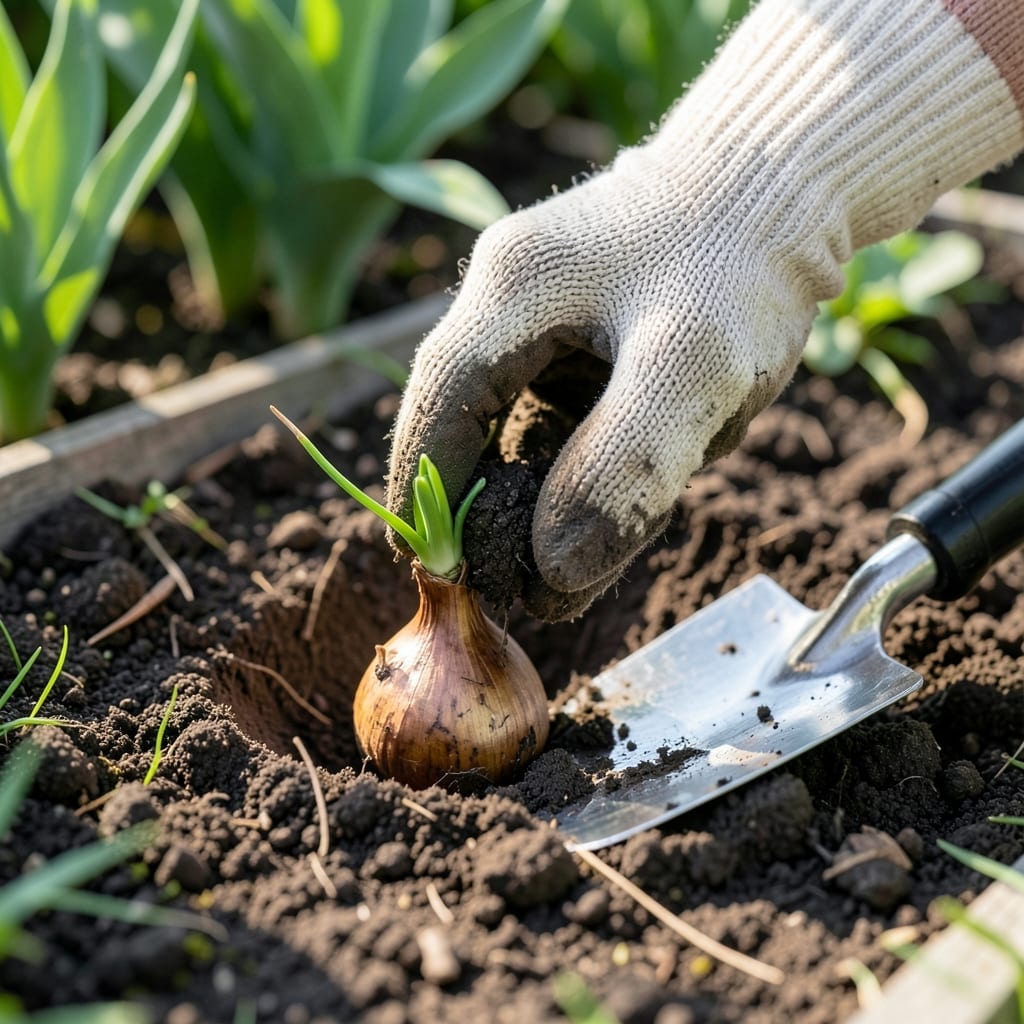
Timing is everything when it comes to planting Bulbs 🌷—plant too early or too late, and you might miss out on a spectacular bloom season.
This guide breaks down the best months to plant spring, summer, and fall varieties for a garden that thrives year-round. Whether you’re in Zone 6 or another climate, getting this right is the key.
I’ll walk you through a simple month-by-month calendar so you’ll never second-guess your timing again. From tulips to daffodils, you’ll learn how to align your efforts with nature’s rhythm.
Let’s dig into the details and set your garden up for success—one perfectly timed planting at a time.
Getting the timing right ensures your spring and summer bulbs burst into color when you expect. I’ve found that tulips and daffodils thrive when planted in fall, while summer bloomers like lilies prefer spring planting. Climate zones play a huge role, so adjust accordingly. 🌷
For USDA Zone 6, I plant spring-blooming bulbs like crocuses and hyacinths in October or November. This gives them time to establish roots before winter. Warmer zones can plant later, while colder areas should start earlier. ☀️
| Bulb Type | Best Planting Months | Bloom Time | USDA Zones |
|---|---|---|---|
| Tulips | Oct-Nov | Early Spring | 3-8 |
| Daffodils | Oct-Nov | Mid Spring | 3-8 |
| Crocuses | Sept-Oct | Late Winter | 3-8 |
| Lilies | Mar-Apr | Summer | 4-9 |
| Alliums | Oct-Nov | Late Spring | 4-8 |
In milder climates, like Zone 9, I’ve had success planting tulips in December. The key is ensuring they get 12-14 weeks of cold stratification for spring blooms. Pre-chilled bulbs can work if you’re in a rush. 🌱
For summer-blooming bulbs like dahlias and gladiolus, wait until soil temps hit at least 60°F. In my garden, that’s usually late April. These bulbs hate frost, so hold off if a late cold snap is forecasted. 🌿
Soil preparation is just as vital as timing. I always loosen the soil to 12 inches deep and mix in compost or bulb fertilizer. This improves drainage and provides essential nutrients for root development. ✂️
If you’re in a warmer zone, consider refrigerating bulbs for 6-8 weeks before planting. This mimics winter and ensures they’ll bloom on schedule. I’ve done this with hyacinths in Zone 8 with great results. 💧
Don’t forget about container planting. I love growing bulbs in pots for my patio. Just ensure the containers have drainage holes and use a well-draining potting mix. This works especially well for tender bulbs like cannas. 🌻
Finally, mark your planting spots with garden flags or stones. This helps you avoid accidentally digging up bulbs while they’re dormant. I learned this the hard way after unearthing a bed of sleeping daffodils! 🌼
Planting bulbs correctly ensures vibrant blooms and healthy growth. I always start by choosing a well-draining location to prevent rot. The right soil and depth make all the difference for tulips, daffodils, and other favorites.
For best results, plant bulbs at a depth 2-3 times their height. Spacing should be 2-6 inches apart, depending on the variety. This gives roots room to spread while ensuring full coverage when they bloom.
Avoid overwatering, as soggy soil can cause bulbs to rot. I check moisture levels by sticking my finger 1 inch into the soil. If it feels dry, it’s time to water.
Poor drainage is another common mistake. If your garden has heavy clay soil, consider amending it with sand or organic matter to improve airflow and water flow.
After planting, I mark the spots with small stakes or plant labels to avoid accidentally digging them up. This is especially helpful for early spring bulbs that may not sprout until months later.
With these steps, you’ll enjoy colorful, long-lasting blooms season after season. Consistency in care and timing is the key to a thriving bulb garden. ✂️